
How Much Does a 1000 Gallon Grease Trap Cost ? 2026 Prices
Wondering how much a 1,000-gallon grease trap pumping costs in your area? grease trap costs? You’re not alone. Whether you’re starting a new restaurant or upgrading your current system, knowing what to expect price-wise can help you budget smarter.
This quick guide breaks down what affects the cost and what you should plan for, including grease trap pumping costs.
How much does a 1000 gallon grease trap cost?
A 1,000-gallon grease trap usually costs $3,000–$6,000, with full project expenses landing between $5,500 and $12,000 depending on material, install, and permits.
Key Takeaways
- A 1,000-gallon grease trap costs between $3,000 and $6,000.
- Installation adds another $2,000 to $4,500.
- Permit, delivery, and setup can raise the total to $12,000.
- Regular maintenance costs $150 to $500 per cleaning, which is a solid investment for long-term functionality.
- New traps offer reliability; used ones can save money but carry risk.
Factors That Affect the Cost of a 1000 Gallon Grease Trap
1. Material Type
The material plays a big role in the price. Stainless steel tends to cost more than plastic or fiberglass but offers better durability and corrosion resistance. If you’re looking for long-term value, it might be worth the extra upfront cost.
2. Installation Requirements
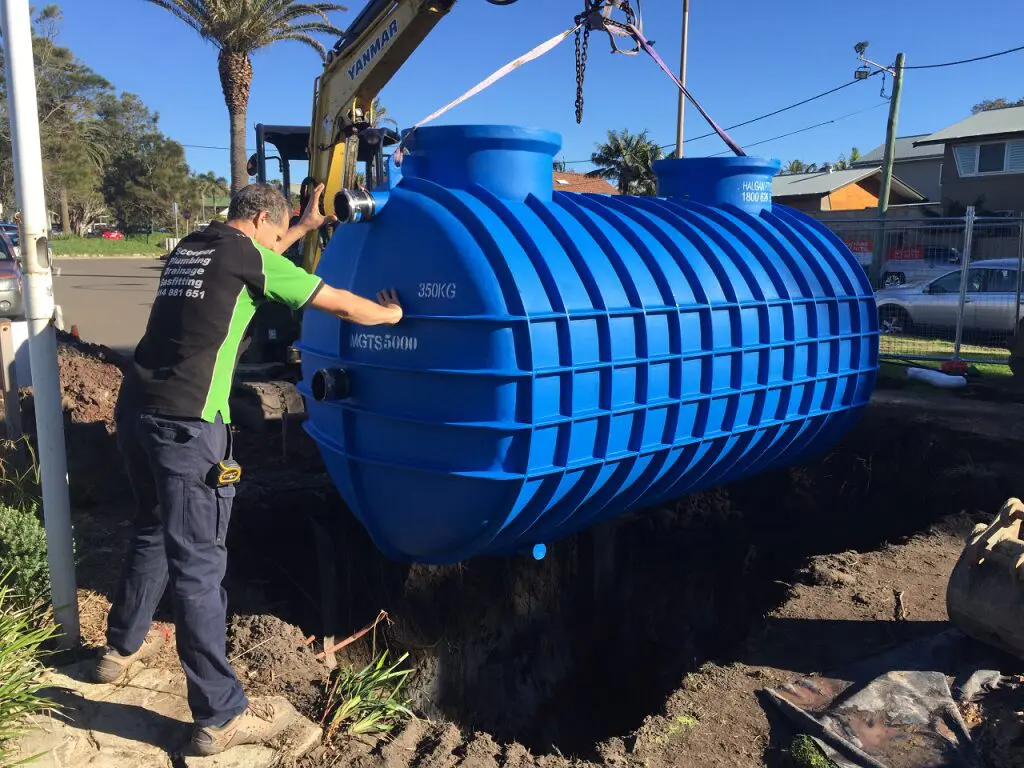
Installing a 1000 gallon grease trap isn’t always straightforward. If the unit needs to go underground, excavation and plumbing work can push the price up. Above-ground units are generally cheaper to install, making them a more convenient option when you need to install a grease trap or interceptor efficiently and cost-effectively.
3. Location and Accessibility
The harder it is to reach the install site, the more labor costs you’ll face. Tight indoor spaces or remote areas can require more time and tools, adding to your total.
4. Custom Features
Extras like flow control devices, lids with gaskets, or remote monitoring systems add convenience—but also cost. Decide which upgrades are truly necessary for your setup.
5. Compliance and Permits
Local regulations can impact the type of trap you’re allowed to install. You might need to pay for permits, inspections, or grease trap certifications, depending on your city or county rules.
6. Maintenance Plans
Some suppliers include plans for grease trap maintenance in Miramar when you make a purchase. It might feel like an extra cost upfront, but it often saves money and hassle in the long run.
7. Brand and Supplier
Well-known brands often come at a premium, but they also tend to offer better warranties and customer support. Don’t just go for the cheapest option—look at overall value.
Average Price Range Breakdown
1. Upfront Cost of the Trap
A 1000-gallon grease trap can cost anywhere from $3,000 to $6,000 depending on the brand, material, and design. Stainless steel models usually sit at the higher end of that range.
2. Installation Costs
Expect installation to add another $2,000 to $4,500. The final cost depends on your location, the complexity of the install, and whether excavation is needed.
3. Permit and Inspection Fees
Local regulations might require permits or inspections. These fees can run between $200 and $1,000, depending on your city or county requirements.
4. Delivery and Setup
Delivery and on-site setup may cost $300 to $800 if not already included in the contractor’s quote. It’s worth asking upfront to avoid surprise charges.
5. Total Estimated Range
All in, a 1000-gallon grease trap project typically lands between $5,500 and $12,000. However, the cost of grease trap services in Key Biscayne can vary depending on factors like installation complexity, frequency of cleaning, and grease accumulation. It’s wise to get quotes from multiple licensed providers in the area to ensure you’re receiving the best value for your investment.
Installation Costs for a 1000-Gallon Grease Trap
1. Labor and Equipment Fees
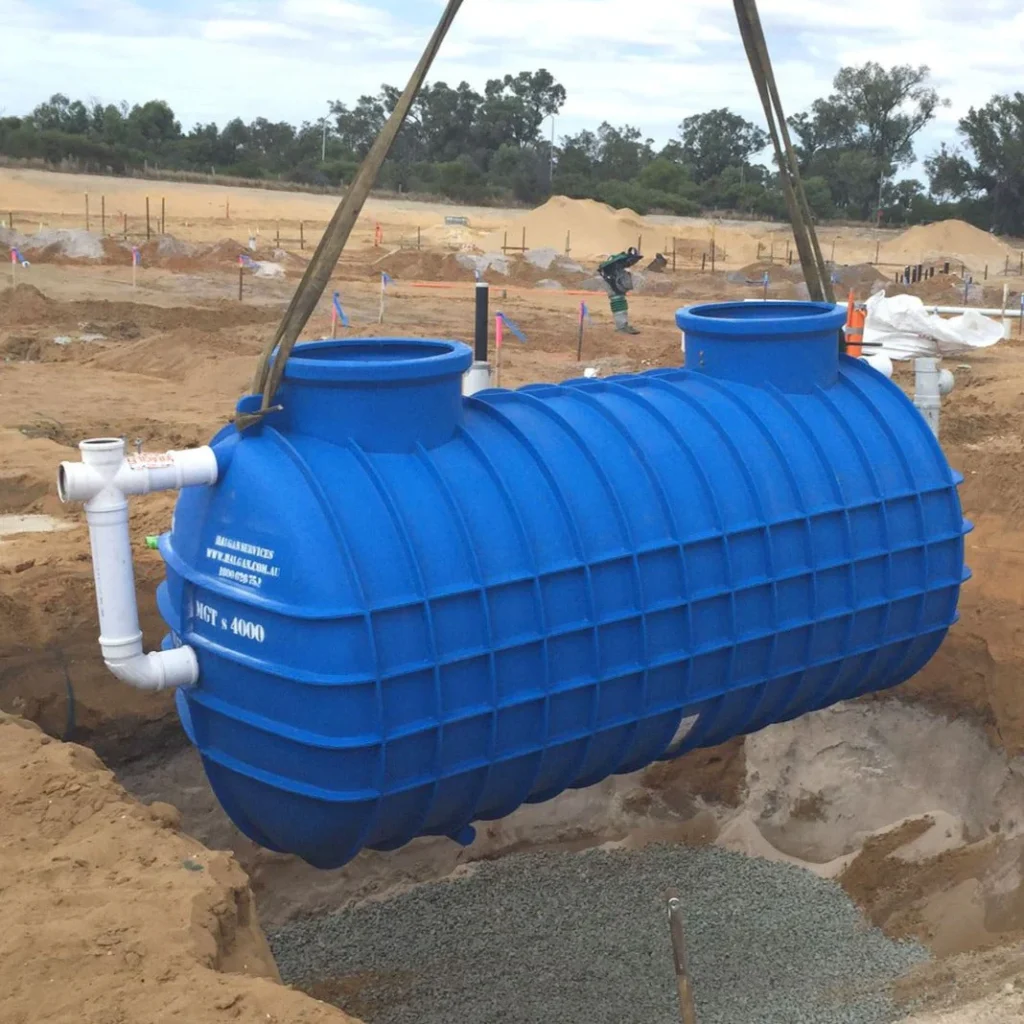
Installing a 1000-gallon grease trap usually requires heavy equipment and skilled labor. Excavation, plumbing, and proper placement all add to the total.
2. Average Installation Range
On top of the unit itself, installation can run between $2,500 and $6,000. This depends on your location, site conditions, and how complex the job is.
3. Permits and Compliance Costs
Most cities require permits before you install a grease trap. Fees can vary, and you might also need an inspection afterward to stay compliant with local codes. To ensure everything runs smoothly, it’s wise to coordinate with professionals who specialize in grease trap cleaning in Aventura, as they’re familiar with the local regulations and maintenance standards.
4. Trenching and Site Prep
If your site requires trenching or concrete cutting, be prepared for additional costs. These tasks often involve more labour and time—particularly in tight areas or when prepping for drainage improvements like learning how to build a concrete catch basin. For the best long-term results, coordinate your project with professional drainage system cleaning to ensure all pipes are clear before new components are installed.
5. How to Keep Costs in Check
Get multiple quotes, ask what’s included, and double-check for hidden fees. Working with a licensed, experienced installer helps avoid costly mistakes later.
Maintenance and Cleaning Costs Over Time
A 1000-gallon grease trap isn’t just a one-time expense—you’ll need to plan for routine maintenance. Regular pumping, usually every 1 to 3 months, can cost between $150 and $500 per visit, and businesses often pair it with grease interceptor cleaning in Miami to keep operations running smoothly.
You’ll also need occasional inspections, enzyme treatments, or minor repairs. These can add another $200–$600 a year. Skipping cleanings can lead to clogs, fines, or shutdowns, which cost much more long-term.
To stay ahead, partner with a reliable grease trap cleaning service in your area. Ask if they offer maintenance contracts—these can reduce your per-visit cost and help prevent surprise problems. A clean trap means a smoother-running kitchen—and tying into further support, businesses should budget for ongoing Miami commercial grease-trap cleaning services in addition to the initial installation to maintain compliance and performance.
Buying New vs. Used Grease Traps
1. New Grease Traps
Buying new means you’re getting a product with full warranty and no surprises. It’s ideal if you want peace of mind and long-term reliability.
2. Used Grease Traps
Used traps cost less upfront but may come with wear, missing parts, or no warranty. If you go this route, inspect it carefully and buy from a trusted seller.
3. Which Should You Choose?
If budget allows, go new. If you’re trying to save, used can work—but only if you’re confident in its condition.
Is a 1000 Gallon Grease Trap Right for You?
A 1000-gallon grease trap works best for busy commercial kitchens, like restaurants, cafeterias, or food processing facilities. If your kitchen handles high volumes of fats, oils, and grease daily, it’s likely a good fit. Understanding the function of grease interceptor systems is essential—they prevent these substances from entering the wastewater system, reducing clogs, backups, and costly plumbing issues.
It’s also ideal if your local regulations require larger capacity traps to stay compliant. Not sure if you need that much? A plumber or grease trap specialist can assess your daily flow and help you avoid over- or under-sizing. If you’re considering a grease trap cleanout in Doral, getting expert advice can ensure your system is properly maintained and meets all local standards.
Frequently Asked Questions
A 1000-gallon grease trap typically costs between $3,000 and $6,000. Pricing depends on the material, brand, and installation complexity.
Not always. Some suppliers only sell the unit, so you’ll need to factor in installation separately, which can add $1,000 to $3,000.
Smaller or plastic grease traps cost less but may fail local codes—always check regulations before choosing a 1000-gallon interceptor or exploring grease interceptor alternatives.
Conclusion
A 1,000-gallon grease trap can cost anywhere from $3,000 to $10,000, depending on materials, installation, and location plus ongoing upkeep like Doral grease interceptor cleaning to keep it functioning efficiently.
If you’re planning to install one, get quotes from multiple contractors and check for local compliance rules.
Don’t forget to factor in long-term maintenance costs—regular cleaning keeps it running smoothly.
Need help deciding? Reach out to a licensed installer or service provider who can walk you through the best options for your setup. Long-term savings come from consistent professional grease trap care.
Understanding common grease trap overflow causes helps protect your investment long-term.