
How to Build a Concrete Catch Basin (Step-by-Step Drainage Guide + Pro Tips)
Tired of puddles forming after every rainstorm? A concrete catch basin might be the fix you need. It’s a DIY project that helps manage runoff and keeps your yard from flooding.
This guide breaks down how to build one step by step—no contractor required. Let’s get started.
How to build a concrete catch basin?
Dig a 2–4 ft pit, install a drain pipe, set forms with rebar, pour 4000 PSI concrete, and finish with a grate.
Key Takeaway
- A concrete catch basin helps stop flooding by collecting and redirecting runoff.
- Ideal for driveways, low spots, and soggy yards.
- You’ll need basic tools, concrete, and a weekend.
- Proper slope, solid materials, and easy maintenance are key.
- DIY is doable, but pros help avoid mistakes in installing a precast concrete drainage system.
Introduction to Concrete Catch Basins
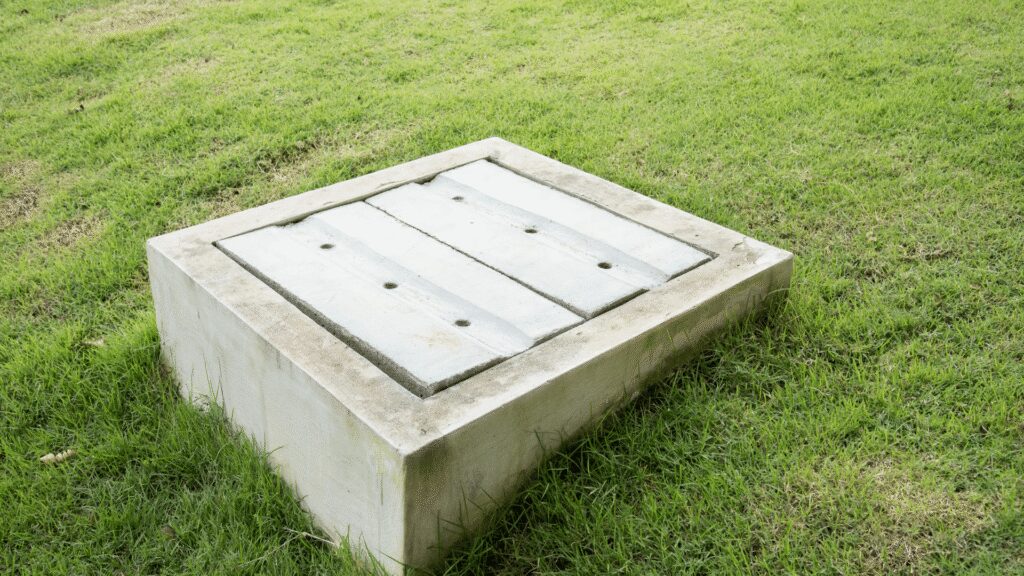
Think of a concrete catch basin as the strong, silent type in your yard’s drainage crew, managing stormwater efficiently. It’s the spot where rainwater, dirt, and leaves get intercepted before they cause trouble.
Concrete makes it extra sturdy, perfect for driveways, parking spots, or anywhere that sees heavy action. It holds up when plastic would crack under pressure—literally.
If you’ve got standing water or soggy patches that never dry up, this is your fix. It’s not flashy, but it does the job like a pro in work boots. Just set it right, and your drainage game levels up fast.
When and Where You Need a Catch Basin
Got standing water on your lawn after rain? That’s your cue. Catch basins step in when drainage is slacking and puddles start pulling up.
They’re clutch for low spots in your yard, near driveways, patios, or around gutters that overflow. Basically, anywhere runoff loves to hang out uninvited.
If your curb’s looking like a kiddie pool after storms, it’s probably time to add one. Think of it as the bouncer keeping water in check—and your space dry and drama-free.
Tools and Materials You’ll Need
Alright, let’s gear up. First, grab a shovel, a wheelbarrow, and a level—you’ll be digging, moving concrete, and making sure it all sits straight.
You’ll also need plywood for your forms, rebar for strength, and wire ties to hold it all together.
For mixing, a cement mixer makes life easier. But if you’re old-school, a mixing tub and a hoe will do the job.
Then it’s all about concrete mix, a trowel for smoothing, and gloves unless you like your hands looking prehistoric.
Optional flex: add a grate up top that looks clean but works hard, enhancing your drainage catch basin.
Step-by-Step Guide to Building a Concrete Catch Basin
1. Scout the Spot: Pick the lowest point in your yard or driveway where water likes to hang out. That’s your catch basin’s future home.
2. Mark and Dig: Sketch out a square (around 2ft x 2ft). Dig down at least 2 to 3 feet deep. You want enough room for the basin and gravel bedding.
3. Add the Base Layer: Toss in a few inches of gravel for drainage. This keeps your concrete from sitting in soggy ground. Think of it as your basin’s fresh kicks – clean and ready to flex.
4. Frame It Up: Use plywood or 2x4s to build a form for your basin walls. Reinforce the corners so it holds shape when you pour.
5. Insert the Drain Pipe: Before you pour any concrete, slide in your drain pipe at the outlet height. Make sure it tilts slightly downward, so water flows like it’s meant to.
6. Mix and Pour Concrete: Now it’s go time. Mix up your concrete and pour it into the form. Use a shovel or trowel to get out air pockets in the drainage catch basin – no bubbles allowed.
7. Set the Grate Frame: While the concrete’s still wet, embed the metal grate frame at the top. Level it with the surrounding surface so your mower doesn’t hate you later.
8. Let It Cure: Walk away. Let it set for at least 24–48 hours. Longer if it’s chilly out. Patience = strength.
9. Final Touches for your drainage system: Pop in the grate, backfill the sides, and connect the drain pipe to your existing storm line or pop-up emitter. Done and dusted.
Your catch basin is now the low-key hero of your drainage game – all business under the surface.
After installation, it’s important to properly maintain catch basin systems to ensure durability and efficiency.
Common Mistakes to Avoid
- 1. Skipping the slope: A flat bottom sounds fine—until water just sits there like it’s on vacation. Always give your catch basin a slight slope toward the outlet so water actually Ensure your drains are connected properly to the storm drain system.
- 2. Using the wrong mix: Don’t cheap out on the concrete. That bargain bin blend? It’ll crack before the next big storm. Stick to a strong 4000 PSI mix for serious durability.
- 3. Forgetting rebar: Concrete without reinforcement is like wearing slides to a construction site. Not a good look. Use rebar or mesh so the basin can take a beating and still flex.
- 4. Poor grate placement: If the grate isn’t flush with the ground, it’s a trip hazard or a puddle magnet. Level it like your project depends on it—because it does.
- 5. No maintenance access: Locking it up tight might seem smart… until you need to clean it. Always leave easy access for the inevitable muck cleanup. Future you will thank me.
Maintenance Tips for Long-Term Performance

Don’t ghost your catch basin after the install day. If you want it to work like a pro, give it a regular once-over.
Scoop out leaves, sludge, and snack wrappers before they clog things up. Every few months is a solid rhythm—more if your yard is full of trees or nearby drains connect to a Doral grease interceptor cleaning. If water’s backing up in the storm drain, something’s probably stuck. If the blockage is deep or requires specialized equipment, schedule professional catch basin cleaning in Doral to restore full function.
After big storms, do a quick visual check of your inlet and drainage system. If water’s backing up, something’s probably stuck.
And while you’re at it, hose down the grate and be sure to contact a provider that specializes in grease-trap cleaning solutions in Miami to avoid upstream drainage backups and ensure all connected systems are flowing properly
Bottom line? A A clean catch basin is essential for effective stormwater management. flexes longer. Treat it like your favorite sneakers—keep it fresh and functional.
DIY vs. Hiring a Pro
If you’re handy with a shovel and down for some sweaty work, DIY saves cash. You’ll need basic tools, concrete mix, and a solid weekend.
But if trenching sounds like a horror movie or you’ve never touched rebar, call in the pros to install a proper drainage system. A bad install can mess with drainage fast.
Think of it like cutting your own hair. Doable? Sure, every homeowner should consider their drainage needs. But one wrong move, and you’re stuck with a mess you paid to fix.
Frequently Asked Questions
If water’s pooling in your yard or your driveway turns into a slip-n-slide after every rain, yep—you do.
Totally, if you’re handy with concrete and can follow basic drainage rules. Otherwise, call in backup.
Standard is around 2–4 feet, but it depends on how much runoff you’re dealing with.
Conclusion
So yeah, building a concrete catch basin isn’t rocket science—but it is worth doing right. You’re giving your yard a legit drainage upgrade that’ll flex through every downpour with a well-placed french drain.
Once it’s set and sealed, you’ve got less mess, fewer backups, and more peace of mind with a durable PVC catch basin. No soggy driveways or surprise ponds.
Just remember: measure twice, pour once, and let gravity do its thing. Catch basins don’t have to be pretty—they just have to work. And now, yours will.
A well-installed system can help solve standing water issues with a catch basin effectively.