
How a French Drain System Protects Your Property from Water Damage?
Water pooling around your property after heavy rain is frustrating for any homeowner or business owner. A failing drainage system can slowly damage landscaping, weaken foundations, and create long-term moisture problems. That is why understanding how a french drain system works is important for protecting your property from costly water damage.
A properly installed drainage solution helps redirect excess groundwater before it creates flooding or structural issues. In this guide, Ameri-Clean Pumping explains how French drain systems work, the warning signs of poor drainage, and why preventive drainage solutions help protect both residential and commercial properties.
What Is a French Drain System and How Does It Work
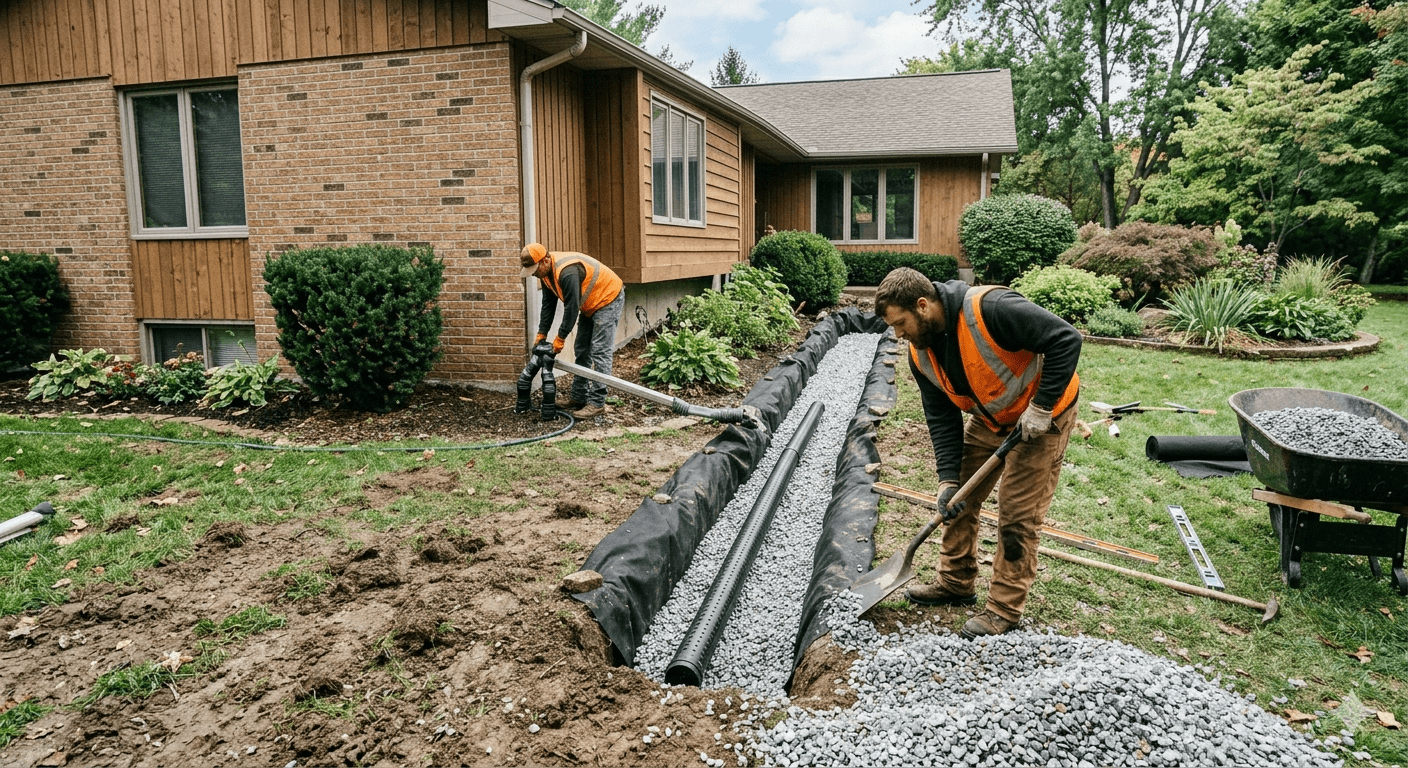
A French drain system is designed to redirect excess water away from vulnerable areas around a property. It uses a perforated pipe surrounded by gravel to collect and move groundwater safely away from structures and landscaping.
When rainwater accumulates near foundations or low-lying areas, the system channels water through the pipe and prevents pooling. This helps reduce soil saturation and protects the property from long-term moisture-related damage.
A standard French drain system usually includes:
- Perforated Pipe: Collects and redirects groundwater efficiently.
- Gravel Layer: Helps filter water and improve drainage flow.
- Drainage Trench: Creates a pathway for water movement.
- Outlet Point: Safely releases water away from the property.
- Filter Fabric: Prevents soil and debris from clogging the system.
Proper installation plays a major role in long-term drainage performance and water management efficiency.
Why Poor Drainage Leads to Property Damage
Water that cannot drain properly often creates problems below the surface before visible damage appears. Over time, excess moisture weakens soil stability and increases pressure around foundations, retaining walls, and paved surfaces.
Standing water also damages landscaping, creates slippery surfaces, and encourages mold growth near buildings. Many property owners only notice the problem after cracks, flooding, or water intrusion become severe.
Poor drainage commonly causes:
- Foundation Cracks: Soil expansion creates structural pressure.
- Flooded Yards: Water accumulates in low drainage areas.
- Basement Moisture: Groundwater enters vulnerable structures.
- Landscape Erosion: Excess runoff damages soil and plants.
- Mold Growth: Constant moisture increases indoor humidity risks.
Properties with recurring drainage issues should request a service now before water damage becomes more expensive to repair.
How a French Drain System Protects Foundations
Foundations are especially vulnerable to water buildup around the property perimeter. Saturated soil places continuous pressure against concrete structures and increases the risk of cracking or shifting over time.
A French drain system reduces this pressure by moving water away before it accumulates near the foundation. This helps maintain soil stability and minimizes long-term structural stress caused by excessive groundwater.
Foundation protection benefits include:
- Reduced Soil Pressure: Prevents excessive moisture buildup near structures.
- Improved Drainage Flow: Redirects water away from foundation walls.
- Lower Flooding Risk: Reduces basement and crawlspace water intrusion.
- Structural Stability: Helps minimize foundation movement over time.
- Moisture Control: Limits conditions that encourage mold growth.
Preventive drainage solutions often cost far less than repairing major structural water damage later.
Signs Your Property May Need a French Drain System
Many drainage problems develop gradually and become more noticeable after heavy rainfall. Property owners should pay attention to recurring moisture issues before they create permanent structural or landscape damage.
Standing water in yards, soggy landscaping, and basement moisture are often early signs that drainage systems are not functioning properly. Ignoring these symptoms may lead to larger water management problems over time.
Common warning signs include:
- Standing Water: Water remains after rainfall stops.
- Wet Basement Walls: Moisture appears near lower structures.
- Soil Erosion: Landscaping shifts due to runoff.
- Foundation Cracks: Structural surfaces begin separating.
- Muddy Lawn Areas: Certain sections remain constantly saturated.
Businesses and homeowners experiencing these issues should schedule service before drainage conditions worsen further.
Where French Drain Systems Work Best
French drain systems are highly effective in areas where groundwater accumulates frequently. They are commonly used as commercial drainage solutions for properties with parking lots, retaining walls, and landscaping zones with poor drainage conditions.
Properties built on sloped terrain or heavy clay soil often benefit the most from additional drainage support. These systems help manage runoff more efficiently during storms and heavy rainfall.
French drains work especially well for:
- Residential Yards: Prevent standing water around homes.
- Commercial Properties: Improve overall site drainage performance.
- Basements: Reduce groundwater intrusion risks.
- Retaining Walls: Relieve excess soil moisture pressure.
- Landscaped Areas: Protect soil and plants from erosion.
Each property requires a drainage design based on slope, soil type, and water flow patterns.
How Professional Installation Improves Drainage Performance
A French drain system only works properly when installed with correct slope calculations, pipe placement, and drainage routing. Poor installation may reduce water flow efficiency and create recurring drainage failures later.
Professional drainage specialists evaluate the property carefully before installation begins. This helps determine the best trench location, outlet placement, and drainage capacity needed for long-term performance.
Professional installation usually includes:
- Drainage Inspection: Identifies water accumulation areas.
- Site Grading Review: Evaluates slope and runoff direction.
- Trench Excavation: Creates proper drainage pathways.
- Pipe Installation: Places perforated piping correctly.
- Water Flow Testing: Confirms system performance after installation.
Working with experienced companies like Ameri-Clean Pumping helps ensure drainage systems operate efficiently during heavy rainfall conditions.
The Long-Term Benefits of a French Drain System
A properly maintained French drain system provides long-term protection against flooding, structural damage, and landscape erosion. It also helps reduce future repair costs by controlling water movement before serious damage develops.
Many property owners notice improved drainage conditions almost immediately after installation. Water clears faster, landscaping remains healthier, and moisture issues become easier to manage throughout the year.
Long-term drainage benefits include:
- Reduced Flooding Risks: Water moves away more efficiently.
- Foundation Protection: Less groundwater pressure near structures.
- Healthier Landscaping: Prevents oversaturated soil conditions.
- Lower Repair Costs: Prevents expensive water damage repairs.
- Improved Property Value: Better drainage supports long-term maintenance.
Preventive drainage solutions often improve both property safety and operational stability long term.
How Maintenance Helps French Drain Systems Last Longer
Even properly installed drainage systems require occasional maintenance to remain effective. Over time, debris, soil, and root intrusion may reduce drainage flow and restrict water movement inside the system.
Routine inspections help identify minor drainage issues before they become severe. Cleaning and maintenance also help extend the overall lifespan of the drainage system significantly.
Maintenance tasks may include:
- Drain Cleaning: Removes sediment and debris buildup.
- Pipe Inspection: Detects blockage or root intrusion issues.
- Water Flow Testing: Confirms drainage efficiency.
- Outlet Clearing: Prevents water discharge restrictions.
- System Monitoring: Tracks overall drainage performance.
Routine maintenance helps French drain systems continue protecting properties during heavy rainfall seasons.
Conclusion
A properly installed french drain system helps protect properties from standing water, foundation damage, and long-term drainage problems. By redirecting excess groundwater away from vulnerable areas, these systems improve drainage performance and reduce the risk of expensive structural repairs.
Ignoring drainage issues often leads to larger problems that become much more difficult to repair later. Preventive drainage solutions help homeowners and businesses maintain safer, drier, and more stable properties year-round.
If your property experiences recurring flooding, soggy landscaping, or drainage issues after storms, it may be time to schedule service with Ameri-Clean Pumping. Professional drainage solutions help protect your property before water damage affects your operations or structure.
Frequently Asked Questions
A French drain system redirects excess groundwater away from properties to help prevent flooding, standing water, and foundation damage.
It reduces groundwater pressure around foundations by moving water away from structural areas before soil saturation creates damage.
French drains are commonly installed near foundations, basements, retaining walls, yards, and low-lying drainage areas.
A properly installed and maintained French drain system can last for many years depending on soil conditions and maintenance frequency.
Standing water, soggy landscaping, wet basement walls, soil erosion, and recurring flooding are common drainage warning signs.