
Do You Need a Permit for a French Drain? Find Out Today
Thinking about installing a French drain? Before you grab the shovel, it’s smart to ask if you’ll need a permit. Rules vary by location, and skipping this step can cost you time and money.
Here’s a quick guide to help you understand when permits are required and how to stay compliant.
Do you need a permit for a French drain?
Yes, in most areas a permit is required if it connects to public drains, alters grading, or sits near property lines.
Key Takeaways
- A permit is often required if your French drain connects to storm sewers, public drains, or sits near property lines.
- Small, low-impact drains on private land may not need one.
- Skipping permits can lead to fines, removal, or home-sale issues.
- Always check with your local building office before digging.
What Is a French Drain?
A French drain is basically a low-key escape route for water. Picture a trench filled with gravel and a perforated pipe at the bottom. Instead of water pooling around your yard or foundation, it slips into the pipe and gets redirected somewhere safe.
The design is simple but smart. It quietly handles excess water, keeping basements dry, lawns usable, and your home free from costly water damage.
Think of it as insurance you don’t have to think about. Once installed, it does the heavy lifting in the background, saving you from soggy messes and repair headaches. It’s not flashy, but it’s effective—and that’s the real flex.
Why Permits Might Be Required

Cities don’t just hand out permits to be difficult. A French drain changes how water moves, and that can mess with your neighbour’s yard or even public drains. Local rules make sure you’re not creating a bigger headache down the line.
Permits also cover safety. Digging deep trenches near utilities isn’t just risky, it can be expensive if you crack a gas line. With a permit, the city usually checks for utility lines before you start.
Some areas want drainage projects to meet building codes. That means the right pipe size, slope, and materials so the system doesn’t fail in a year. If you skip the permit, you might be forced to redo the whole thing later.
Bottom line? A permit keeps your project legal, safe, and built to last. It’s less red tape, more peace of mind.
Situations Where a Permit Is Needed
You don’t always need a permit for a French drain, but certain setups will put you on the city’s radar. If your system connects to storm sewers or municipal drains, you’ll almost always need approval.
Local governments want to make sure you’re not overloading public lines or pushing runoff where it doesn’t belong.
Permits also pop up when the drain sits close to property lines or sidewalks. Towns don’t want your fix creating puddles on a neighbour’s lawn or flooding the street.
Even something that seems small, like directing water into a ditch, can trigger rules if it ties into public flow.
If you’re building near a foundation, basement, or slope, inspectors may want a sign-off. It’s less about red tape and more about safety. A poorly placed drain can destabilise soil or mess with structural integrity.
Situations Where a Permit May Not Be Needed
Not every French drain project triggers paperwork. If you’re simply redirecting water across your yard and not tying into public sewers, you might be in the clear.
Small, shallow drains built for garden beds or landscaping usually fly under the radar too. Cities tend to care more when the work affects foundations, streets, or shared systems.
Some rural areas skip permits altogether, especially if you’re on private land with no nearby utilities. Still, don’t assume. Quick call to your local office saves you from fines later.
Bottom line: if it’s a small, low-impact project on your own property, chances are you won’t need a permit. But checking first is the smarter play.
Consequences of Skipping a Permit
Skipping the permit may feel like a shortcut, but it can bite you later. If local inspectors catch it, you could face fines or be forced to rip out the drain.
Unpermitted work also makes selling your home harder. Buyers and appraisers often want proof everything’s legit, and missing paperwork throws up red flags.
The fix? Check with your city before you dig. Permits cost way less than tearing out a finished project, and you’ll have peace of mind knowing your drain won’t cause legal or financial drama.
How to Check Local Requirements
Before you grab a shovel, make sure your French drain plan is actually legal. Building codes can shift depending on your city, county, or even neighbourhood rules.
Start with your local building department’s website. Most have a permit section that explains what projects need approval and what slides under the radar.
If the site’s a mess or you’re not sure, call the office. A quick five-minute chat can save you fines and headaches later.
You can also ask your HOA, if you’ve got one. Some care less about drainage and more about how the project looks from the street.
Permit Application Process
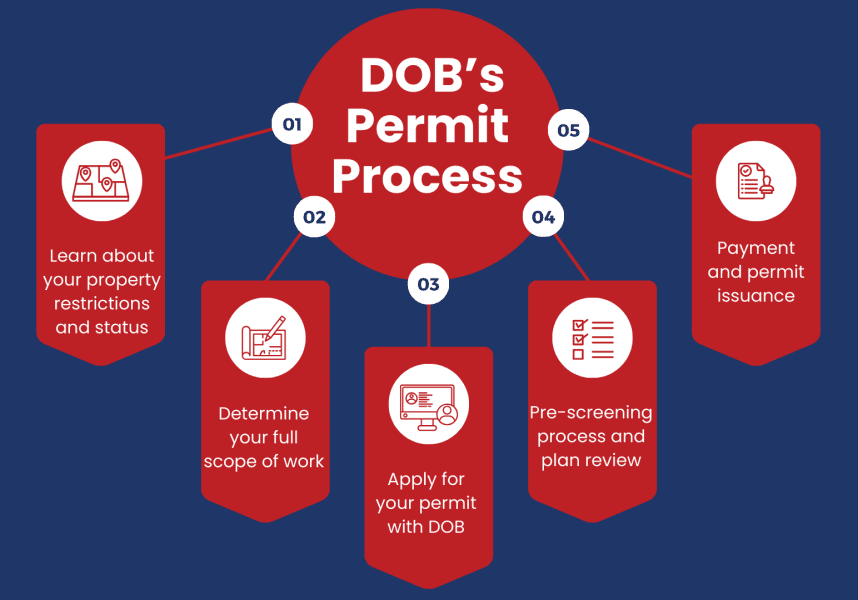
Getting a permit for a French drain isn’t as dramatic as it sounds. Most towns have a simple form you can grab online or at city hall. You’ll usually need a site plan that shows where the drain goes and how it ties into existing drainage.
Expect a small fee and maybe an inspection before or after installation. The process is more about checking you’re not messing with public lines or flooding your neighbour’s yard.
Do it right the first time, and you’ll skip the stress of fines or being told to dig it all back up.
Tips to Make the Process Easier
Call your city’s permit office before you start, so you’re not stuck mid-project. Sketch a quick layout of your drain and keep receipts for materials, inspectors love that.
If paperwork feels like a buzzkill, bundle it with your contractor—they usually know the drill and can fast-track approvals. Think of it as setting up your playlist before the party, it saves chaos later.
Frequently Asked Questions
1. Do I really need a permit for a French drain?
Most places say yes, especially if the system connects to storm drains or alters your yard’s grading. A quick call to your local building office clears it up fast.
2. What happens if I skip the permit?
You risk fines, forced removal, or problems when selling your home. It’s cheaper to get the paperwork done upfront.
3. Can I install a French drain myself?
Yes, if it’s a simple yard project and you’re handy with a shovel. For deeper drains near foundations, bring in a pro to avoid costly mistakes.
Conclusion
French drains can be a clutch move for keeping water off your property, but permits aren’t always optional. Rules change based on your city, soil, and how close you’re working to property lines.
The smart play? Call your local building office before you start digging. That way you skip fines, keep neighbours cool, and make sure the drain does its job without drama.
Think of it as a quick check that saves you a pile of future headaches.