How a Grease Interceptor Works: A Simple Guide for Commercial Kitchens
A grease interceptor is the unsung hero of any high-volume commercial kitchen. While most people only think about the delicious food being served, the plumbing underneath the floor is working hard to manage heavy waste. Without a functional restaurant grease management system, a business could face massive repair bills and health department fines.
Understanding the grease interceptor working process is essential for any owner or manager. These systems are designed to capture hazardous materials before they reach the city sewer lines. In this guide, we will look at how these units function and why they are critical for your daily operations.
The Role of Grease Interceptors in Commercial Plumbing Systems
In a busy kitchen, water from sinks, dishwashers, and floor drains carries more than just soap. It contains fats, oils, and grease (FOG) separation needs that standard residential plumbing cannot handle. The grease interceptor system acts as a filter between your kitchen and the public sewer.
Its primary job is to slow down the flow of incoming commercial kitchen wastewater. By slowing the water, the device allows the liquid to cool. This cooling period is vital because it helps the grease solidify and separate from the water. Without this intervention, hot grease would travel deep into your pipes, cool down, and create a rock-hard blockage.
Understanding how the system works makes it clear why grease interceptor cleaning in Miramar is essential for commercial kitchens.
Breaking Down the Process: How Grease Separates from Wastewater
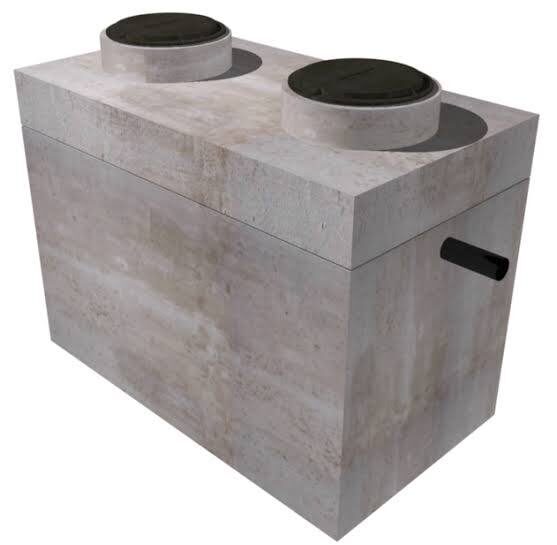
The wastewater grease separation method relies on a very simple law of physics: oil is lighter than water. Because grease and oil are less dense, they naturally want to float to the top. This stage is a critical part of the overall wastewater treatment process within a commercial facility.
Here is a step-by-step look at how grease separators function:
- Entry: Dirty water enters the tank from the kitchen drains.
- Slowing Down: A grease interceptor flow control device regulates the speed of the water to prevent turbulence.
- Separation: As the water sits in the grease separation chamber, the FOG rises to the surface.
- Settling: Heavier food particles and solids sink to the bottom of the tank, forming a layer of sludge.
- Exit: Clean water is pulled from the middle of the tank, which is the “clear zone,” and sent out to the sewer.
Understanding its function highlights the need for grease interceptor cleaning in Pompano Beach.
Main Parts of a Grease Interceptor You Should Know
To keep your restaurant plumbing infrastructure running, you should be familiar with the components inside the tank. These parts ensure the plumbing drainage system remains free of obstructions.
- Inlet Pipe: Where the wastewater enters the unit.
- Baffles: Internal walls that slow down water flow and direct the grease upward.
- The Static Water Line: The level where water stays while the unit is at rest.
- Outlet Pipe: Positioned near the bottom to ensure only “clean” water leaves the system.
- Access Manhole: The cover on top is used for inspection and cleaning.
Why Restaurants and Food Businesses Depend on Grease Interceptors
Every food service establishment needs a reliable kitchen drainage grease solution. If you run a steakhouse, a fast-food joint, or even a bakery, you produce grease.
Local municipalities require these systems to protect the city infrastructure. Large accumulations of grease in city lines cause “fatbergs,” which are massive clogs that can cause sewage to back up into the streets. By using a grease interceptor, you are following the law and protecting the environment from contamination.
Common Problems That Occur Without Proper Grease Control
When a kitchen neglects its grease waste management, the consequences are immediate and messy.
- Foul Odors: Rotting food and grease trapped in the tank produce sulfuric gases that smell like rotten eggs.
- Slow Drains: If the interceptor is full, water has nowhere to go. This leads to standing water in your sinks.
- Backups: The worst-case scenario is sewage backing up through floor drains during a busy shift.
- Legal Issues: Health inspectors can shut down a kitchen if they find the unit is overflowing.
To avoid these disasters, you must prevent grease pipe blockage by monitoring your tank levels regularly.
Maintenance Practices That Keep Grease Interceptors Working Efficiently
A grease interceptor maintenance guide starts with one rule: consistency. You cannot wait for a problem to occur before you call for help.
One of the most important standards in the industry is the grease interceptor 50% rule. This rule states that once your tank is half full of solids and grease, it is no longer effective and must be emptied.
Professional grease interceptor pumping is the only way to ensure the unit is completely clean. During a service visit, technicians will scrape the baffles and walls to remove hardened buildup that a simple surface skim would miss.
Frequently Asked Questions:
It is used to catch fats, oils, and grease from kitchen wastewater to prevent them from clogging the public sewer system.
It uses gravity. Since grease is lighter than water, it floats to the top of the tank while the water flows out through a lower pipe.
The main difference is size and flow rate. Grease traps are usually small units under the sink, while grease interceptors are large outdoor or underground tanks designed for high-volume kitchens.
Most businesses need a cleaning every 1 to 3 months, but this depends on your volume and the 50% capacity rule.
Yes. They are specifically designed to stop grease from entering your pipes, which is the leading cause of commercial plumbing clogs.
Many issues stem from poor upkeep, which is why recognizing early warning signs of grease interceptor drainage problems is essential for commercial kitchens.
Conclusion
Managing a commercial kitchen is hard enough without worrying about sewage backups. A well-maintained grease interceptor keeps your business compliant, your drains clear, and your customers happy. If you haven’t had your system checked recently, don’t wait for a clog to happen. The experts at Americlean Pumping are here to provide professional cleaning and inspections tailored to your needs.