
Grease Interceptor
How Can Businesses in Doral Extend Grease Interceptor Lifespan with Routine Cleaning?

Regular grease interceptor cleaning for Doral businesses on a fixed schedule removes solids before they harden, reduces corrosion, and maintains steady flow rates. This routine upkeep is the single biggest factor in whether an interceptor lasts its full service life or fails years ahead of schedule. Why Grease Interceptors Take Extra Strain in Doral’s Business…
Read MoreWhat Causes Grease Interceptor Overflow?

An interceptor doing its job quietly is easy to forget about, right up until the moment it stops working. Understanding what causes an interceptor overflow helps restaurant owners catch the warning signs early, before a busy shift turns into an emergency. We respond to overflow calls across Miami and the surrounding areas, and the causes…
Read More7 Signs Your Grease Interceptor Is Due for Pumping

If you run a commercial kitchen in South Florida, your grease interceptor works hard every single day. When it starts to fall behind, the warning signs can be easy to miss until you have a mess on your hands. Understanding the right grease interceptor pumping frequency is the best way to avoid backups, foul odors,…
Read MoreWhat Is the 25% Rule for Grease Interceptors and Why Does It Matter?

If you run a restaurant or food service business in South Florida, you have probably heard about the 25 percent rule grease interceptor standard. It sounds technical, but it is one of the simplest ways to keep your kitchen running and avoid expensive plumbing backups. We work with local kitchens every day, and this single…
Read MoreGrease Trap vs. Grease Interceptor: What’s the Difference?

If you run a restaurant or food service business in South Florida, you have likely heard both terms tossed around at some point. Understanding the grease trap vs. grease interceptor debate helps you protect your plumbing, stay compliant, and avoid costly backups. Both units share one basic job. They prevent fats, oils, and grease from…
Read MoreHow Often Should a Grease Interceptor Be Cleaned?
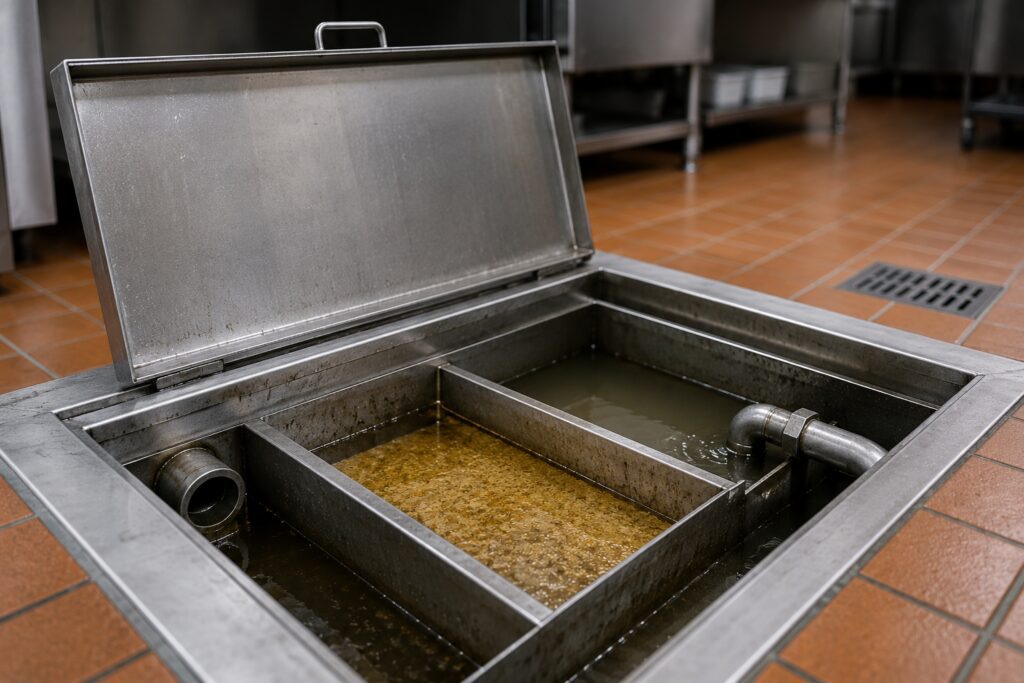
Commercial kitchen owners already deal with enough daily pressure. Slow drains, foul odors, and plumbing backups are the last problems anyone wants during busy service hours. That is why understanding how often a grease interceptor should be cleaned is important for maintaining smooth kitchen operations and avoiding costly interruptions. Regular interceptor cleaning helps prevent emergency…
Read MoreTop Benefits of Grease Interceptor Cleaning for Commercial Kitchens
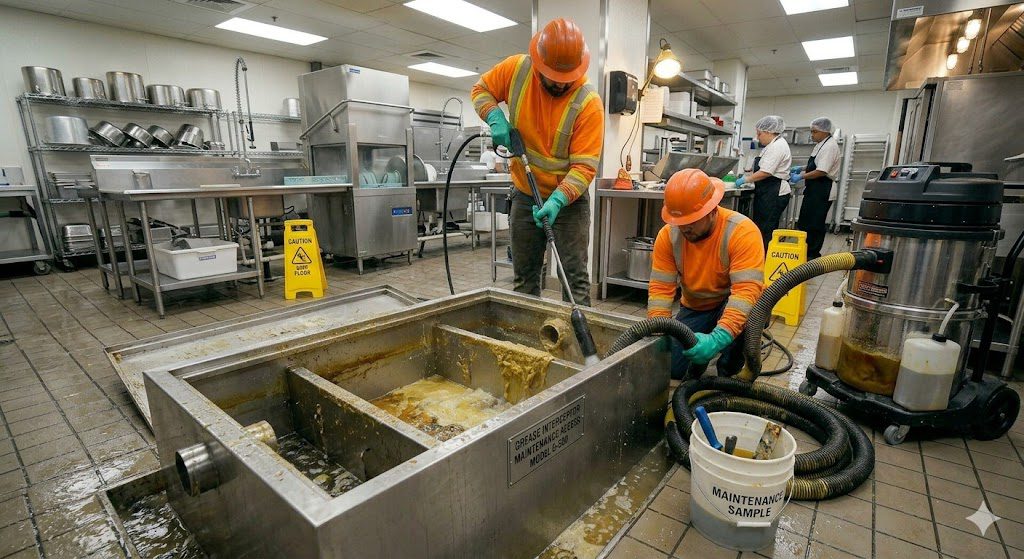
Commercial kitchens deal with nonstop grease buildup every single day. Restaurant owners and kitchen managers already know how quickly slow drains, foul odors, and plumbing backups can disrupt operations and create unnecessary stress for staff during busy service hours. The benefits of grease interceptor cleaning become obvious when kitchens avoid these expensive and frustrating problems…
Read MoreSlow Drains in Your Restaurant? Your Grease Interceptor May Be Full?

If you run a busy commercial kitchen, you know that speed is everything. From the line cooks to the dish pit, every second counts. However, nothing brings a service to a grinding halt quite like standing water in the floor drains or sinks that refuse to empty. While many managers reach for a plunger or…
Read MoreHow to Find Reliable Interceptor Pit Maintenance Services Near You

Finding a company that offers professional interceptor pit maintenance is a top priority for any business dealing with grease, oil, or sediment. Whether you run a busy restaurant or an industrial garage, your interceptor pit is the heart of your wastewater management system. When it works, you don’t even think about it. When it fails,…
Read MoreHow a Grease Interceptor Works: A Simple Guide for Commercial Kitchens

A grease interceptor is the unsung hero of any high-volume commercial kitchen. While most people only think about the delicious food being served, the plumbing underneath the floor is working hard to manage heavy waste. Without a functional restaurant grease management system, a business could face massive repair bills and health department fines. Understanding the…
Read More