
What Does a Catch Basin Do? Stop Costly Floods Fast
Ever wonder where all that rainwater goes after a storm? That’s where a catch basin comes in. It helps prevent flooding by collecting runoff and keeping debris out of your drainage system.
Think of it as your yard’s first line of defense against water damage.
What does a catch basin do?
A catch basin collects stormwater runoff and traps debris to prevent flooding and keep drainage systems clear.
Key Takeaways
- A catch basin prevents flooding by collecting runoff and filtering debris.
- It protects your yard, driveway, and foundation from water damage.
- Regular cleaning keeps it working and avoids drainage issues.
- Catch basins come in various types for different areas (curb, yard, downspout).
- If you see pooling, smell funk, or hear gurgling—it’s time for maintenance.
What Is a Catch Basin?
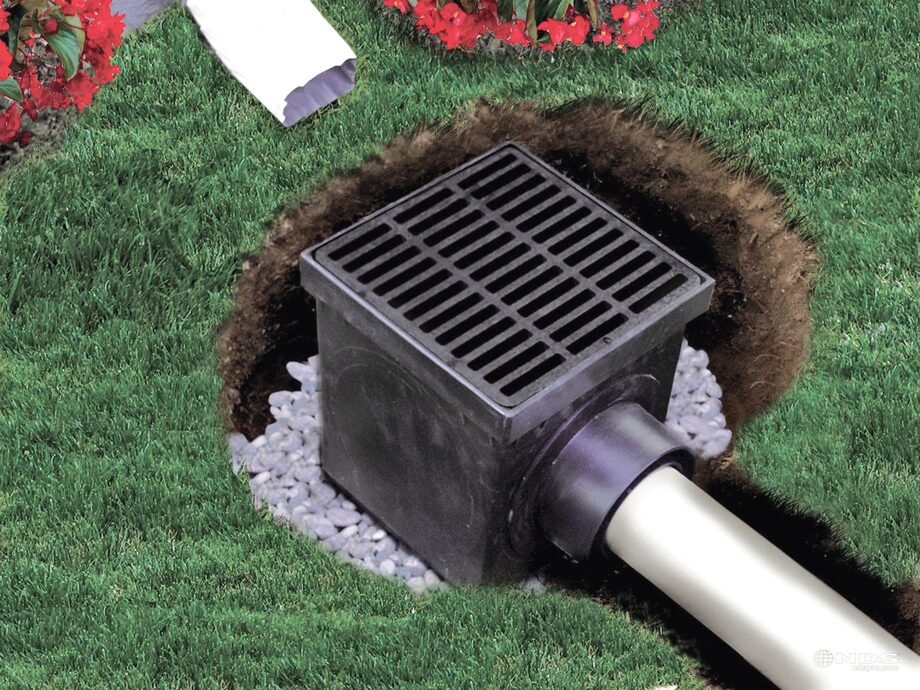
Think of a catch basin as the bouncer for your stormwater. It hangs out at street level, snatching up rainwater before it can flood your driveway or yard. Pretty chill, right?
Under the grate, there’s a hidden chamber that traps leaves, trash, and other junk. That way, only the water gets to slide into the drainage system.
It’s not just about flow, though. Catch basins help keep your pipes from clogging and your street from turning into a splash zone. If your curb’s been looking like a mini pond after every rainstorm, you probably need one. If you’ve noticed your curb resembling a pond after every rainstorm, it might be time to consider catch basin cleaning in Fort Lauderdale.
Simple setup, big impact. It’s the low-key MVP of backyard drainage.
How a Catch Basin Works
Think of a catch basin as your driveway’s bouncer. Water rolls in, debris stays out. It’s built with a grate on top that lets in rainwater, runoff, and street wash—but filters out leaves, trash, and the rest of the unwanted squad.
Right underneath the grate? A deep basin. That’s where the junk settles, like sludge at the bottom of a bad smoothie. Clean water flows out through a pipe on the side, heading to your local storm drain system.
If the basin gets full, though, it’s a problem. Water can back up, flood your yard, or even mess with your foundation. That’s why regular cleanouts are part of the cheat code.
Bottom line: a catch basin isn’t glamorous, but it’s doing serious work behind the scenes. Catching, separating, draining—it keeps your property clean and flood-free without making a fuss. Kind of like your favorite low-key sneaker. Always on, never loud.
Main Functions of a Catch Basin
A catch basin is your property’s quiet MVP. It handles the messy stuff you don’t want to think about—like stormwater, street gunk, and surprise puddles.
First off, it collects runoff from rain, sprinklers, or melting snow. That water flows into the basin through grates on streets or driveways.
Once inside, the magic happens. The basin traps debris—leaves, dirt, oil, all the gross extras—before the water slips into the main drain line. Think of it as a pre-party bouncer that only lets clean water through.
This setup keeps your yard, driveway, or street from flooding like a busted sink. It also helps protect the whole drainage system from clogging up.
Bonus? By catching the bad stuff early, it saves you cash on plumbing nightmares later. It’s not flashy, but it’s doing the dirty work so you don’t have to.
In many cases, a concrete catch basin for standing water is the most effective solution.
Types of Catch Basins
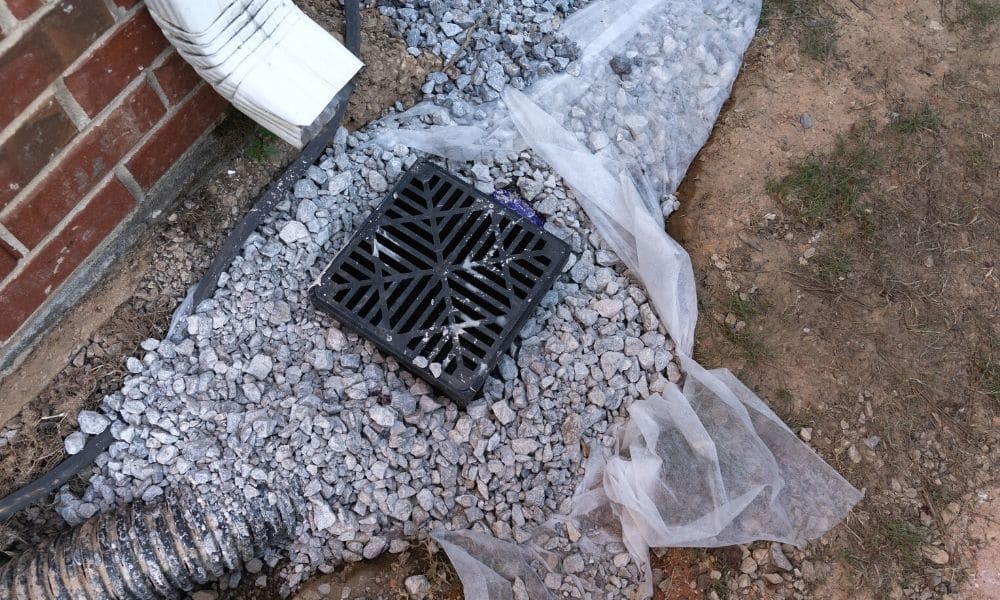
Not all catch basins are built the same. The one you need depends on what you’re dealing with—storm runoff, yard flooding, or messy parking lot puddles.
- Curb Inlet Basins: You’ll see these along streets. Water flows from the curb into a grate, then drops into the basin below. It’s the city’s way of keeping roads from turning into rivers.
- Area or Yard Basins: These are the lowkey ones hiding in your lawn or driveway. They catch surface water from rain or sprinklers and send it away through underground pipes.
- Drop Inlet Basins: These go under downspouts or sloped areas. They handle bigger volumes and are all about fast drainage.
- Combination Basins: Basically the multitaskers. They take water in from both the curb and surface level. Think of them as the Swiss Army knife of drainage.
Pick the right one, and you’ll avoid the headache of constant puddles and water damage.
Where Are Catch Basins Used?
Catch basins pop up in more places than you think. You’ll spot them along curbs, in parking lots, and even in your backyard if you’ve got serious runoff.
In cities, they’re the MVPs of storm drains. They trap trash and gunk before it slides into sewers and starts causing chaos.
Got a low spot on your property that turns into a mini lake every time it rains? A catch basin there keeps your lawn from turning into swamp season.
They’re also used around commercial buildings and loading docks. Anywhere water needs to chill out and drain off smoothly.
Bottom line: catch basins live where runoff lives. If water’s pooling, backing up, or messing with your flow, that’s where they shine.
Signs Your Catch Basin Isn’t Working Properly
Water pooling where it shouldn’t? That’s your first red flag. A working catch basin should drain rainwater fast, not let it linger like a bad guest.
Notice funky smells around the drain? That means trapped gunk is rotting instead of flowing out. Not exactly the backyard scent you want.
If you hear weird gurgling sounds during heavy rain, your basin might be partially blocked. It’s like your drain’s trying to talk—but all you hear is “help.”
Flooding near your driveway or storm drains after heavy rain? It might be time for catch basin cleaning in Kendall—your basin’s likely not doing its job.
Bottom line—if your yard feels swampy, smells funky, or your drainage sounds like a horror movie, it’s time to clean or repair that catch basin. Don’t wait till you need galoshes to grab the mail.
Catch Basin Maintenance Tips
First off, don’t ghost your catch basin. It’s low-key saving your yard from turning into a swamp. Give it a check every few months, especially before and after heavy rain.
If you see leaves, trash, or random debris, scoop it out. No need for fancy tools—just gloves, a bucket, and five minutes of your time.
Notice water pooling around it? That’s a red flag. The grate might be clogged or the basin could be full. Time to clean it out or call in the pros if it’s too deep.
Pro tip: schedule a yearly clean-out, even if things look chill on the surface. Gunk builds up quietly, like your group chat after a long weekend.
Bottom line? A little upkeep now means no flooding headaches later. Catch basins might not flex like your sneakers, but they’ve got that quiet drip.
Benefits of Installing a Catch Basin

A catch basin isn’t just a hole in the ground. It’s your yard’s secret weapon against flooding and grime.
First, it keeps your lawn from turning into a swamp every time it rains. All that water? Gone before it ruins your weekend plans.
It also traps leaves, oil, and gunk so your drains don’t clog or stink up the joint. Think of it like a bouncer for your plumbing system—only the clean stuff gets in.
Got a driveway or patio that floods fast? A catch basin helps it dry up before your sneakers get soaked.
Basically, it saves you from surprise water damage, slippery messes, and backyard chaos. Not bad for something you barely notice.
Common Myths About Catch Basins
- Myth #1: They’re just drains: Nah. A catch basin isn’t just a hole in the ground. It’s a filter, a flood preventer, and a grime trap all in one.
- Myth #2: You never need to clean them: Big nope. If you ignore it, it clogs. Then your yard turns into a swamp with attitude.
- Myth #3: They only matter during storms: Wrong again. They’re working year-round, catching leaves, dirt, and whatever your driveway throws at them.
The Fix: Clean it regularly and keep it covered. That’s the cheat code to keep your drainage game strong.
How to Know If You Need a Catch Basin
Water pooling in your yard every time it rains? That’s a red flag. If your driveway floods or your lawn turns into a swampy mess, a catch basin could be your cheat code.
If you live at the bottom of a hill or near heavy runoff, catch basin cleaning in Aventura becomes even more important. It’s not just about avoiding puddles—it’s about protecting your home’s foundation, landscaping, and overall peace of mind.
Bottom line: if water’s hanging out longer than your guests after a BBQ, you might need a basin.
Frequently Asked Questions
1. Do catch basins need cleaning?
Absolutely. If they’re packed with leaves or junk, they won’t drain properly. Schedule a cleanout at least once a year.
2. Can I install one myself?
Sure, if you’re handy with tools and don’t mind digging. But if that sounds like a headache, call a pro.
3. Do they smell?
Only if neglected. If yours reeks, it’s time for a clean and maybe a filter swap.
Conclusion
Catch basins are the unsung heroes keeping your streets (and shoes) dry. They grab trash, trap sediment, and steer runoff away from your home’s foundation.
If you’ve got flooding, weird smells, or standing water near the curb, your basin might be overdue for a clean-out.
Stay on top of maintenance and you won’t have to stress every time it rains. It’s like giving your drainage system a tune-up—low effort, high payoff.
Regular inspections combined with awareness of catch basin maintenance signs that help prevent flood risks can keep your drainage system functioning properly.