
Do French Drains Work in Heavy Rain? Facts You Need
Heavy rain can test even the best drainage systems, and French drains are no exception. They’re designed to redirect water, but when storms hit hard, performance depends on proper design and installation.
The good news? With the right setup, a French drain can handle heavy rainfall without flooding your yard.
Do French Drains Work in Heavy Rain?
Do French drains work in heavy rain? Yes, if installed with proper slope, depth, and maintenance, they can manage stormwater effectively without flooding.
Key Takeaways
- French drains redirect water through gravel and perforated pipes.
- Proper slope, soil type, and pipe size determine performance.
- Heavy rain can overwhelm poorly built or clogged drains.
- Upgrades like larger pipes, catch basins, and sump pumps improve reliability.
- Regular maintenance keeps the system clear and functional.
- Professional installation helps avoid costly mistakes.
What Is a French Drain?
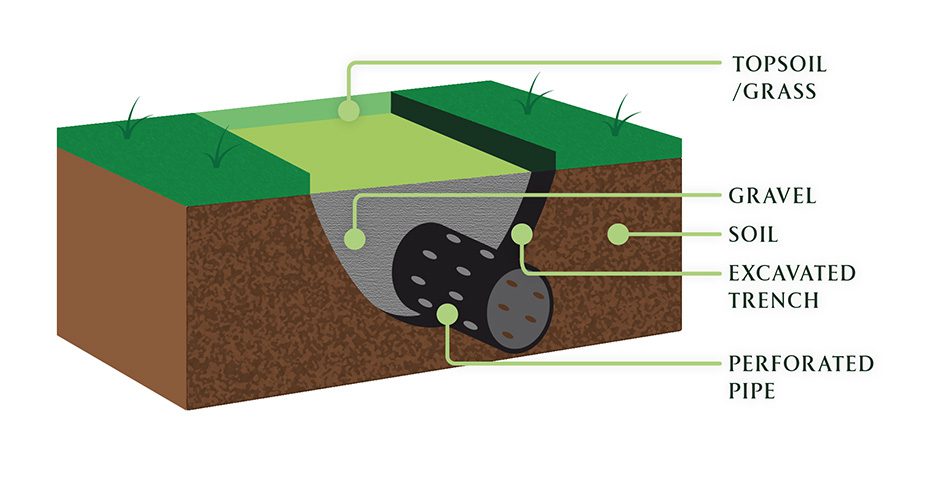
Think of a French drain as the cheat code for redirecting water. It’s basically a trench filled with gravel and a perforated pipe that lets water slip away from spots where it tends to pile up.
Instead of pooling in your yard or creeping toward your basement, the water finds the pipe and gets guided somewhere safer. It’s a low-key but smart way to keep your property from turning into a swamp.
You don’t see much of it once installed, but it works behind the scenes like that reliable friend who always bails you out. For anyone dealing with soggy lawns or flooding after storms, this setup is the quiet MVP.
How French Drains Work
Think of a French drain as your yard’s hidden cheat code against water buildup. It’s basically a trench with a perforated pipe at the bottom, wrapped in gravel so water slips in easily.
When rain hits hard, that water doesn’t just sit around and flood your lawn. Instead, it flows through the gravel, into the pipe, and gets redirected to a safe spot away from your home.
The beauty is in its simplicity. No fancy tech, just gravity doing the heavy lifting. Done right, a French drain keeps your foundation dry, your grass intact, and your weekend stress-free, unless you run into common French drain problems, which are best tackled early to keep everything working smoothly.
The Challenge of Heavy Rain
When the skies open up, a French drain gets put to the test. Heavy rain doesn’t just mean more water, it means faster flow that can overload weak spots.
If the drain isn’t deep enough or slopes poorly, water can back up and flood your yard. The fix? Make sure your system has proper grading, solid gravel layers, and an outlet that can handle the rush.
Think of it like traffic control. With the right design, water flows smoothly instead of gridlocking your lawn.
Do French Drains Work in Heavy Rain?
French drains can handle heavy rain, but only if they’re built right. The system is basically a trench with gravel and a pipe that directs water away from your home. If it’s deep enough and slopes properly, it’ll keep your yard from turning into a swimming pool.
The catch? A weak design gets overwhelmed fast. Too much rain and a shallow or clogged drain just can’t keep up. People often wonder, Can I put dirt on top of a French drain?, and while small adjustments may work, regular cleanouts and proper installation are what truly make the system last.
Think of it like a sneaker with bad grip. It looks fine, but one slick sidewalk and you’re sliding. Get the slope right, use quality materials, and your French drain will flex through most storms. If your area floods often, pairing it with gutters or a sump pump is a smart combo.
Key Factors Affecting Performance
So, do French drains actually hold up when the skies open up? They can, but a few things decide whether yours flexes or fails.
First up, slope. If the trench isn’t angled right, water won’t move fast enough. Even a small dip in the wrong direction can leave your yard looking like a kiddie pool.
Then there’s soil. Sandy soil lets water pass through easily, while clay turns into a stubborn roadblock. If you’ve got clay-heavy ground, adding extra gravel or a wider pipe helps keep the flow steady.
Pipe size matters too. Go too small and it clogs under pressure, like stuffing too many people into a rideshare. Bigger pipes handle storm surges better without choking.
And don’t skip maintenance. A drain full of leaves or roots isn’t a drain, it’s a useless tube. Flushing it out once or twice a year keeps the whole system breathing.
Bottom line, a French drain in heavy rain is only as good as its build, soil, and upkeep. Get those right and it’ll be your backyard’s cheat code against floods.
Signs Your French Drain May Not Be Coping
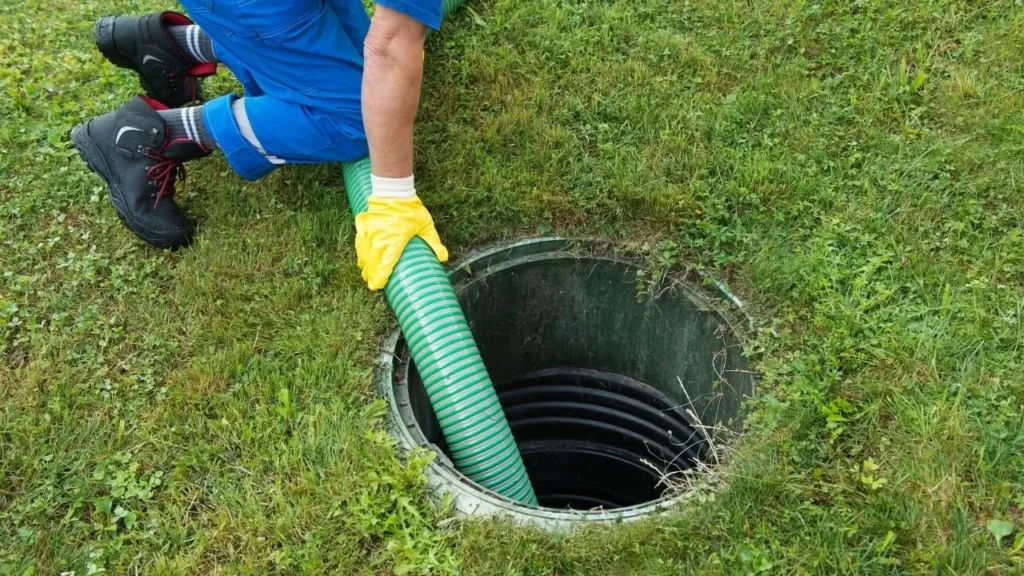
If puddles stick around after a storm, your drain’s probably not pulling its weight. Water pooling near the foundation is another red flag.
You might also notice soggy spots in the yard that don’t dry out for days. That’s your drain tapping out.
Quick fix? Check if the pipe is clogged with dirt or roots. A clean-out or pro inspection can get it back in the game before damage sets in.
Enhancements for Heavy Rain Performance
French drains handle a lot, but heavy rain can push them to their limits. That’s where a few smart upgrades come in.
Go bigger on the pipe size if your yard turns into a mini-lake. More space means faster water flow.
Adding a catch basin at key low spots gives water a pit stop before it clogs the line. Think of it as your drain’s pre-game warmup.
Gravel is good, but swapping in clean, angular rock keeps flow slick and mud-free. Pair that with a filter fabric wrap and you stop soil from sneaking in.
If storms are your norm, connect the system to a sump pump. That’s the cheat code for moving water when gravity alone can’t keep up.
When to Call a Professional
If water keeps pooling even after you’ve installed a French drain, it’s time to phone in backup. That usually means the slope, depth, or outlet wasn’t dialed in right.
Call a pro if you’re staring at flooding near the foundation, soggy lawns that never dry, or pipes that won’t stay clear. They’ve got the gear and know-how to tweak the system fast.
Bottom line, if your DIY fix feels more like guesswork than drainage, hand it off before small leaks flex into big repairs.
Installing the right French drain depth for heavy rain conditions improves drainage reliability.”
Frequently Asked Questions
1. Do French drains actually work in heavy rain?
Yep, if they’re installed right. They move water fast enough to keep your yard from turning into a swamp.
2. Can a French drain ever fail?
Sure, if it clogs with soil or roots. Regular cleaning keeps it flowing.
3. Will one drain be enough?
Depends on your space. Big yards or crazy storms might need multiple drains or extra grading.
Conclusion
French drains can hold their own in heavy rain, but only if they’re installed right. A sloppy setup means backups and soggy yards.
The fix? Go with proper slope, solid pipe, and legit gravel coverage. That way, the system actually flexes when storms roll through.
If you’re unsure, bring in a pro to avoid future headaches. Think of it as insurance for your foundation and your peace of mind.