
What is a Catch Basin for Stormwater? Here’s Why You Need
A catch basin is a key component in stormwater management, designed to collect and direct rainwater away from streets and properties.
Filtering debris and preventing clogs in drainage systems helps reduce flooding and water damage.
Proper maintenance ensures your system runs smoothly, protecting your home and neighbourhood from water buildup.
What is a Catch Basin for Stormwater?
A catch basin is a stormwater management system that collects rainwater and debris to prevent flooding and clogging. It acts as a filter, keeping water flowing smoothly through drainage systems.
Key Takeaways
- A catch basin helps manage stormwater by collecting rainwater and debris, preventing flooding and clogged drains.
- Regular maintenance, including cleaning and inspecting, keeps the system functioning properly.
- There are various types of catch basins, each designed for different stormwater management needs.
- Catch basins reduce flooding, protect infrastructure, and ensure the safe flow of water into drainage systems.
What is a Catch Basin?
A catch basin is a stormwater management system that helps keep your streets and property dry. Think of it as the “first line of defense” against flooding, collecting excess rainwater and debris before it clogs your pipes.
Located along curbs or in parking lots, these basins act as a natural filter, preventing storm drains from getting overwhelmed.
How Does a Catch Basin Work?

Catch basins are pretty simple, but they do some heavy lifting when it comes to stormwater management. Water flows into the basin through a grate, where it gets filtered to remove large debris like leaves and trash.
The filtered water then makes its way into a drain system that channels it away from streets and properties, preventing flooding. Some basins have an additional trap for sediment, so that even the smallest particles are caught before they reach storm drains. Regular Underground drain cleaning Aventura ensures this system continues to function efficiently and prevents costly blockages.
By doing all this, catch basins keep your streets clear of standing water and reduce the risk of sewer backups. It’s like having a bouncer at the door, ensuring that only the clean stuff gets in.
Types of Catch Basins
- Standard Catch Basins: The most common type. They have a simple design—a grating on top that filters out debris while allowing stormwater to flow through. Perfect for standard drainage needs.
- Flared End Catch Basins: Think of these as the upgraded version of standard catch basins. They have wider openings, making them ideal for higher flow areas, such as busy streets or large parking lots.
- Stormwater Treatment Catch Basins: If you’re looking to filter out pollutants, these are the ones. They have a built-in filtration system that helps remove sediment, oils, and other harmful substances before the water moves downstream.
- Combo Basins: A little of both—these catch basins combine traditional stormwater management with the added benefit of treatment. Great for areas needing both drainage and pollution control.
Each type does its job depending on your stormwater needs. The key? Choosing the right one keeps your property dry and your pipes clear.
Importance of Catch Basins in Stormwater Management
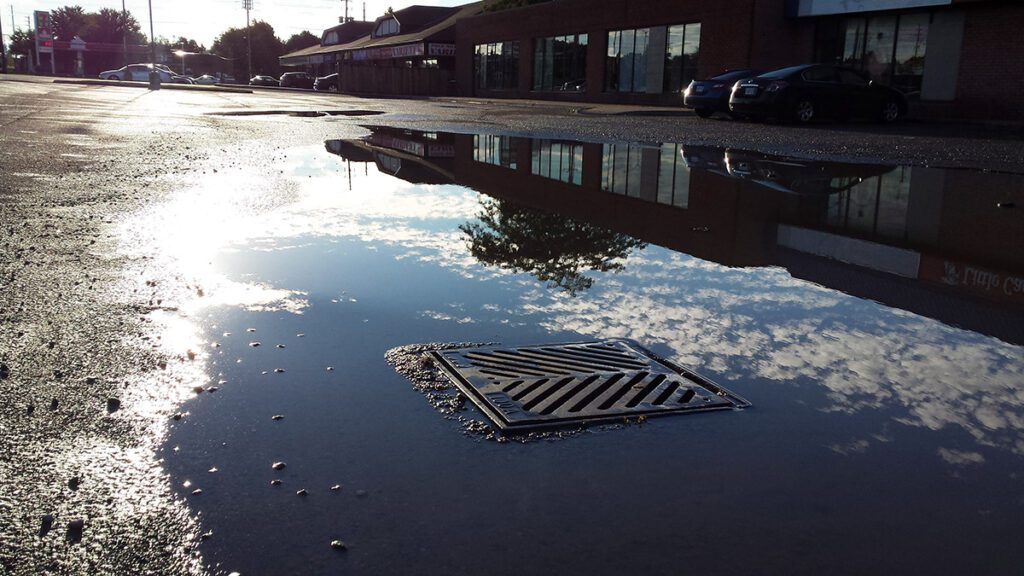
Catch basins play a crucial role in keeping stormwater systems flowing smoothly.
By collecting rainwater runoff, they prevent flooding in streets and homes, especially during heavy rain. Without them, water would pool in unwanted areas, causing damage to roads and properties.
These basins also help keep stormwater clean. They filter out debris like leaves, dirt, and trash, preventing clogs and ensuring the water flows where it’s needed.
By managing water efficiently, catch basins protect both urban and rural landscapes from erosion, keeping everything in check. So, next time you spot one, know it’s working hard behind the scenes.
Common Problems with Catch Basins
Clogs from Debris: Catch basins are prone to getting blocked by leaves, dirt, and other debris. This slows down water flow and can cause flooding. Regular cleaning is key to keeping things moving.
Cracked or Damaged Walls: Wear and tear can cause cracks in the basin’s structure, leading to leaks. If left unchecked, this can compromise its ability to drain water properly.
Overflowing During Heavy Rain: Sometimes, the basin just can’t handle a downpour. This happens when the drainage capacity is overwhelmed, which can flood surrounding areas. Upgrade or install larger basins to prevent this.
How to Maintain a Catch Basin
- Keep it Clean: Catch basins work best when they’re clear of debris. Regularly check for leaves, trash, or dirt buildup. A quick clean-up can prevent bigger headaches later.
- Inspect the Grate: Make sure the grate is secure and free of cracks. A loose or damaged grate can let in more debris and cause drainage issues.
- Flush the System: Every now and then, flush out the drain with water to clear out any blockages. This helps ensure stormwater flows freely, especially after heavy rain.
- Know When to Call a Pro: If you’re noticing standing water or slow drainage, it might be time for a professional catch basin cleaning. Don’t wait for the flooding to hit.
Signs That Your Catch Basin Needs Attention
1. Overflowing Water: If water’s pooling around your catch basin after a storm, it’s a red flag. This could mean it’s clogged or the system’s just not keeping up. A quick inspection should tell you if debris is the culprit.
2. Bad Odour: A musty, foul smell near your catch basin? That’s usually a sign of stagnant water or debris buildup. It’s not just unpleasant; it can attract pests, too.
3. Visible Cracks: Cracks in your catch basin’s structure could let water seep through or cause major damage. Keep an eye out for any visible wear and tear, especially after heavy storms.
4. Slow Drainage: If the water drains too slowly or doesn’t drain at all, something’s blocking the flow. It’s time for a cleaning or, in some cases, a repair.
Frequently Asked Questions
1. What’s a catch basin, and how does it work?
Catch basins are stormwater management tools that capture rainwater and debris, preventing clogs in the drainage system. They collect runoff and allow it to flow into underground pipes, keeping streets dry and clear.
2. How do I know if my catch basin needs cleaning?
If you notice standing water or debris accumulating around the basin, it’s a sign that it needs cleaning. Catch basins should be inspected regularly to ensure they’re functioning properly and prevent blockages.
3. How often should a catch basin be cleaned?
Generally, a catch basin should be cleaned once or twice a year, but this can vary depending on how much debris accumulates. Areas with heavy foliage may require more frequent cleaning.
Conclusion
Catch basins are the unsung heroes of stormwater management. They keep your property safe from flooding and protect the drainage system from debris.
A quick check and clean-up can save you from bigger headaches down the line. Stay ahead of the game and keep those drains clear—your home will thank you.
Installing the right system provides a reliable standing water drainage solution year-round.”