
How Often Should Restaurants Schedule Professional Grease Trap Cleaning?
Your kitchen is humming, orders are flying, and the last thing on your mind is what’s happening beneath the floor drain. But neglecting professional restaurant grease trap cleaning is one of the fastest ways to earn a health department violation, a nasty plumbing backup, and a repair bill that could have easily been avoided. The good news is that staying ahead of this is simpler than most restaurant owners think.
Why Regular Grease Trap Cleaning Is Essential?
Every commercial kitchen generates grease, fats, and oils around the clock, and understanding why regular grease trap cleaning is essential starts right there. Without a properly maintained grease interceptor system, that waste flows straight into the municipal sewer line, creating both an environmental violation and a costly plumbing disaster.
Grease trap maintenance service is not just about keeping things clean. Understanding why grease trap cleaning matters for commercial kitchens helps protects your plumbing infrastructure, keeps your kitchen compliant with local regulations, and ensures that commercial kitchen wastewater is handled responsibly.
In Miami, the local health department and municipal utility authorities require food service establishments to maintain their grease interceptor systems on a documented schedule. That means if you cannot show proof that you schedule grease trap cleaning consistently, you are already in violation before anything else goes wrong.
As a general rule of thumb, most restaurants should schedule professional grease trap pumping every 1 to 3 months. High-volume kitchens that cook with heavy fats daily may need service as frequently as every 30 days. Lower-volume operations or food trucks might stretch to 90 days, but grease waste disposal should never be pushed further than that without a professional assessment.
If you operate a mobile kitchen, it is worth reading up on food truck grease trap requirements, since compliance rules for mobile units differ slightly from brick-and-mortar kitchens.
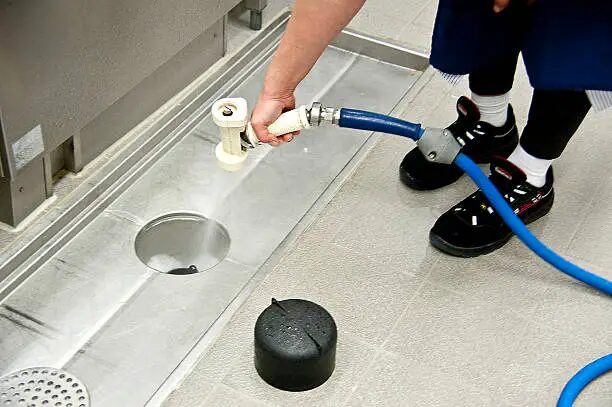
Signs Your Restaurant’s Grease Trap Needs Immediate Cleaning
Waiting for a scheduled date is fine in theory, but sometimes your grease trap sends you clear warning signs that it needs attention now. Do not ignore these:
- A foul odor from grease trap buildup seeping into the kitchen or dining area
- Slow-draining sinks or floor drains throughout the kitchen
- Grease or dark residue backing up into floor drains
- Gurgling sounds coming from pipes under the sink
- A visible layer of grease that exceeds 25% of the total trap capacity
The 25% rule is one of the clearest signs your restaurant’s grease trap needs immediate cleaning. When the combined layer of grease and solids takes up more than a quarter of your trap’s volume, efficiency drops sharply and the risk of overflow grows quickly. If you notice any of these signs between your regular service visits, contact a commercial grease trap cleaning provider immediately rather than waiting for your next scheduled appointment.
Grease Trap Cleaning Costs in Miami—What Restaurants Should Expect
When budgeting for grease trap cleaning in Miami, costs can vary based on the size of the unit and the accessibility of the tank. Most indoor “under-the-sink” traps hold 20 to 50 gallons, while large outdoor in-ground interceptors can hold 1,000 to 2,000 gallons.
The cost of professional grease trap pumping is significantly lower than the cost of an emergency plumbing repair or a city-imposed fine. Most reputable providers in Miami offer volume-based pricing or contract discounts for monthly or quarterly visits. Factors that influence your quote include:
- Tank Size: Larger tanks take longer to pump and have higher grease waste disposal fees.
- Accessibility: Is the trap located in a parking lot or tucked behind a kitchen line?
- Condition of Waste: If the grease has hardened into a “cap,” it may require additional scraping or hot water treatment.
How to Prepare Your Restaurant for a Scheduled Cleaning Visit
A little preparation on your end goes a long way toward making the service visit faster and more effective. Here is what restaurant operators should do before the technician arrives:
- Identify and clear access points to the grease trap ahead of time
- Avoid running large amounts of water through the kitchen drains for at least an hour before the visit.
- Have your maintenance log or prior service records ready for the technician to review.
- Note any unusual odors, drainage issues, or visible grease buildup you have observed since the last service.
Keeping a maintenance log is not just good practice; it is often required during health inspections. A well-documented service history shows inspectors that your kitchen takes plumbing maintenance compliance seriously.
If your property also deals with stormwater runoff or outdoor drainage concerns, it may be worth exploring how a storm drain filter sock can protect your property from grease and debris entering the municipal storm system.
Skipping recommended cleaning schedules can result in restaurant sink backing up from grease trap overflow, leading to costly downtime.
What Happens If You Skip Grease Trap Cleaning in Miami?
The consequences of neglecting commercial grease trap cleaning are not limited to bad smells and slow drains. The risks are real, and they escalate quickly.
First, the buildup of fats, oils, and grease creates an environment where bacteria thrive. That affects the overall sanitation of your kitchen, not just the plumbing. Second, a full or overflowing grease trap can send waste back into your kitchen drains, which is a serious health code violation that can result in immediate closure.
From a regulatory standpoint, Miami-Dade County enforces grease trap compliance under local environmental and plumbing codes. Restaurants that cannot demonstrate consistent maintenance face fines, mandatory corrective action, and repeat inspections. In serious cases, operating licenses can be suspended.
Beyond the kitchen itself, grease entering the stormwater system contributes to blockages in municipal infrastructure. Properties that manage commercial lots should also consider catch basin cleaning equipment and gutter catch basin maintenance as part of a complete site drainage plan.
Why Restaurants Trust Ameri-Clean Pumping for Grease Trap Cleaning in Miami
American Pumping has built its reputation by showing up on time, doing the job right, and helping restaurant operators stay compliant without the stress. The team understands Miami’s local regulations, the demands of high-volume commercial kitchens, and what it takes to keep a food service operation running clean.
Whether you need grease trap pumping near Miami restaurants on a regular schedule or require an urgent service visit because something has gone wrong, Americlean Pumping has the equipment and expertise to handle it.
The team also provides documentation for every service visit, which means you will always have the records you need when the health inspector walks through the door.
Frequently Ask Questions:
Most high-volume restaurants should schedule cleaning every 1 to 3 months. However, the exact frequency is determined by the “25% Rule”—whenever grease and solids occupy a quarter of the tank’s capacity.
Yes. Local ordinances require commercial kitchens to maintain grease interceptors to prevent FOG from entering the public sewer system. Failure to do so leads to fines and possible permit revocation.
Expect foul odors, slow-draining sinks, sewage backups, and expensive fines from the city. In extreme cases, the kitchen may be shut down until the issue is remediated.
Look for slow drainage, gurgling sounds in your pipes, and a strong, unpleasant odor. A visual inspection showing grease near the top of the tank or in the outlet pipe is a definitive sign.
For most indoor traps, the process takes 30 to 45 minutes. Larger outdoor interceptors may take 1 to 2 hours depending on the volume of waste and accessibility.
Many restaurant owners find that investing in consistent grease trap maintenance solutions helps prevent costly long-term issues
Conclusion
Maintaining a clean grease trap is the simplest way to prevent major plumbing disasters and stay in the good graces of Miami health inspectors. Don’t wait for an overflow to take action. Regular maintenance saves money, protects the environment, and ensures your staff can focus on what they do best: serving great food. Contact Americlean Pumping today to set up a reliable schedule for your restaurant grease trap cleaning.
Understanding the benefits of grease traps in restaurants ensures better compliance and performance.