
How to Go Around having a Grease Interceptor – The Loopholes
Looking for ways to manage kitchen grease without a traditional interceptor?
Whether space is tight or you need a different solution, there are smart alternatives to keep FOG out of your drains.
This guide explores effective grease management options that help you stay clean, compliant, and clog-free.
How to go around having a grease interceptor?
It’s not recommended to go around having a grease interceptor, as it’s typically required by law. Skipping this step can lead to costly fines, clogs, and environmental damage.
Understanding water flow is important, but regular French drain service is still needed to keep systems working properly.
Key Takeaways
- Grease interceptors prevent blockages and pollution by trapping fats, oils, and grease.
- If you’re unable to install a grease interceptor, there are alternative methods for managing grease.
- Proper grease disposal is essential to prevent plumbing issues and environmental damage.
What is a Grease Interceptor?
A grease interceptor, also known as a grease trap or grease recovery device, is a plumbing device that traps grease and oils from wastewater before they enter the sewer system. Regular grease interceptor maintenance in Pompano Beach is essential to ensure these systems function efficiently and comply with local regulations.
They are commonly used in commercial kitchens, restaurants, and food processing facilities where large amounts of cooking oils, fats, and grease are produced.
These interceptors work by slowing down the flow of water, allowing grease to float to the top while the water flows to the bottom and is filtered out. When issues arise, timely Emergency pumping services Pompano Beach ensure the system continues running efficiently and prevents costly backups.
Proper maintenance, like knowing how to clean grease trap above stove, helps stop grease from entering the wastewater system—avoiding clogs, foul odors, backups, and expensive plumbing repairs.
Reasons You Might Want to Avoid Installing a Grease Interceptor
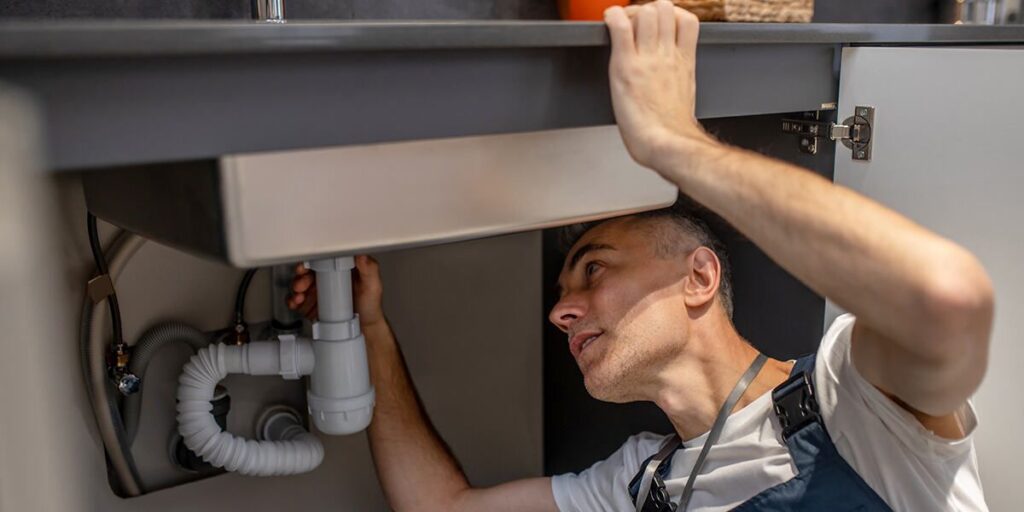
While grease interceptors are useful, some property owners or business operators in the area might prefer exploring alternatives to routine grease interceptor cleaning in Doral.
Here are a few reasons why someone might consider going around having a grease interceptor:
Space Limitations
In certain establishments, space might be a constraint. Installing a grease interceptor requires a dedicated space, which can be challenging in smaller kitchens or food establishments.
Cost Concerns
The installation and maintenance of a grease interceptor can be expensive.
For small businesses or those just starting out, the cost of installation and regular servicing might seem prohibitive.
Maintenance
Grease interceptors require periodic cleaning and maintenance.
This often means manually removing built-up grease, which takes time and extra labor. To avoid the hassle, many businesses turn to a reliable Key Biscayne grease trap cleaning service for ongoing maintenance.
Temporary Solutions
If you’re moving between properties, a temporary setup can be the smarter choice until the infrastructure is ready. During this stage, focusing on selecting the right size of grease interceptor ensures that even a short-term solution runs efficiently.
Alternative Methods for Managing Grease Without an Interceptor
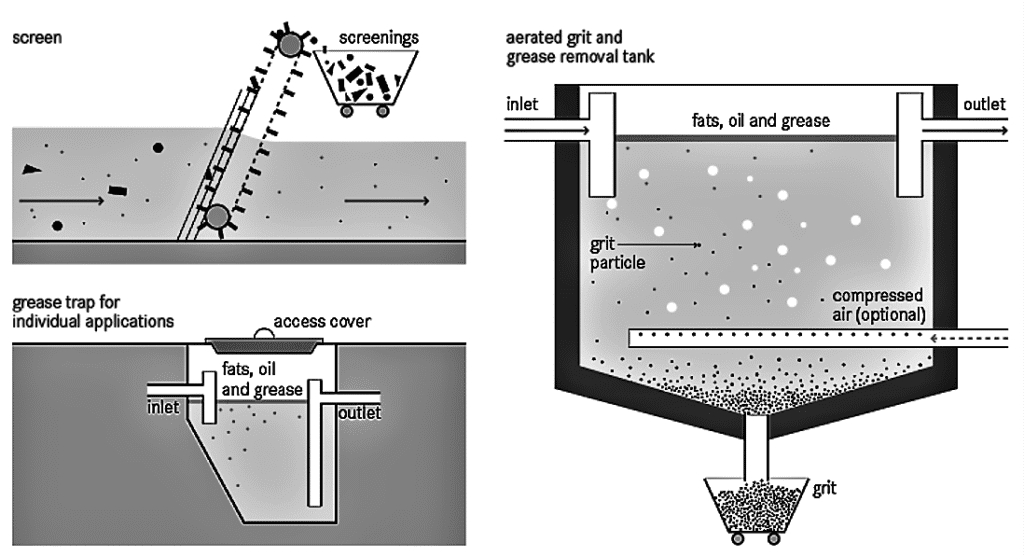
While a grease interceptor is the most common and effective method for managing grease, other options—like regular grease trap cleaning in Pompano Beach—can also play a big role in keeping your system efficient.
1. Grease Recycling Programs
One option is to take advantage of grease recycling programs.
These programs allow restaurants and food establishments to collect used cooking oils and grease and send them to recycling facilities.
Recycled grease is used in biodiesel production, animal feed, or industrial lubricants.
How it works: Instead of trapping the grease in an interceptor, you collect it in containers, which can then be disposed of or recycled.
Advantages: This method reduces the amount of grease that enters the sewer system while also providing an environmentally friendly disposal option.
It’s a good alternative for businesses looking for a greener way to dispose of grease.
2. Grease Disposal Systems
Some businesses may choose to install grease disposal systems that are designed to collect and store grease in a safe manner, such as through grease bins or containers.
These systems collect grease directly from sinks or drains and allow for easier disposal or recycling.
How it works: These systems are typically fitted to kitchen sinks or dishwashing stations. Instead of the grease going down the drain, it’s directed into a container where it can be safely disposed of.
Advantages: These systems are easy to install and require less space compared to grease interceptors. They also provide an easy way to prevent grease buildup in the plumbing system.
3. Use of Grease Absorbing Filters or Strainers
For some businesses, installing grease-absorbing filters or strainers in their sinks or drains can help trap smaller amounts of grease before it enters the plumbing system.
These filters can be cleaned and replaced regularly.
How it works: The grease-absorbing filters catch grease particles as they enter the drain. These particles can then be disposed of, reducing the amount of grease in the wastewater.
Advantages: Filters are relatively easy to maintain, and they prevent grease from flowing into the plumbing system, although they may not be as effective as grease interceptors for larger amounts of grease.
4. Eco-Friendly Grease Disposers
Some companies offer eco-friendly grease disposal systems that are designed to handle grease and oil efficiently without the need for a large interceptor.
Many of these systems use advanced technologies designed to break down and remove grease before it enters the sewer system. Understanding how to dissolve grease in grease trap setups can help ensure these systems work more efficiently.
How it works: These systems typically use enzymes or other agents to break down grease and oil, making it easier to dispose of or recycle.
Advantages: These eco-friendly systems can be a good alternative for small or medium-sized businesses that produce moderate amounts of grease.
Even with alternative setups, professional grease interceptor maintenance is still required.
Frequently Asked Questions
1. Can I dispose of grease without a grease interceptor?
Yes, there are several alternatives, such as grease disposal systems, recycling programs, or grease-absorbing filters, which help manage grease waste effectively.
2. Do all businesses need a grease interceptor?
Not all businesses are required to have a grease interceptor, but many food service establishments must comply with local regulations to prevent grease from entering the public sewer system.
3. How often do I need to maintain a grease interceptor or alternative system?
Maintenance schedules vary depending on the system used. Grease interceptors typically require cleaning every 3 to 6 months, while alternative systems may need more frequent maintenance.
Conclusion
Choosing the right method for managing grease waste depends on several factors, including the volume of grease generated, the space available, and your budget. For businesses dealing with significant grease buildup, opting for professional grease trap cleaning in Miramar ensures efficient waste management while staying compliant with local regulations.
Grease interceptors are the most effective long-term solution, but alternatives such as grease recycling programs, grease disposal systems, and eco-friendly grease disposers may be more suitable for certain businesses.
Ultimately, it’s important to weigh the pros and cons of each option, consider your business’s specific needs, and ensure compliance with local regulations.
Whatever method you choose, the goal is to prevent grease from causing plumbing issues, polluting the environment, or damaging your property.