
How to Clean Grease Trap Above Stove Before It Clogs Up
A greasy mess above your stove isn’t just gross—it’s a fire hazard too. Over time, buildup in the grease trap can clog airflow and attract pests.
The good news? Cleaning it is easier than you think. Let’s walk through a simple, safe way to get it spotless and working like new.
How to Clean Grease Trap Above Stove
Remove the filter, soak in hot soapy water, scrub, rinse, dry, and reinstall. Clean every 2–4 weeks for best results.
Key Takeaways
- Clean your stove’s grease trap every 2 weeks (or monthly if you cook less).
- A clogged trap risks poor airflow, fire, and foul odors.
- Use gloves, a degreaser, hot water, and a scrub brush.
- Soak, scrub, rinse, dry, and reinstall—no shortcuts.
- Replace the filter if it’s warped, rusty, or still stinks after cleaning.
What Is a Grease Trap Above the Stove?
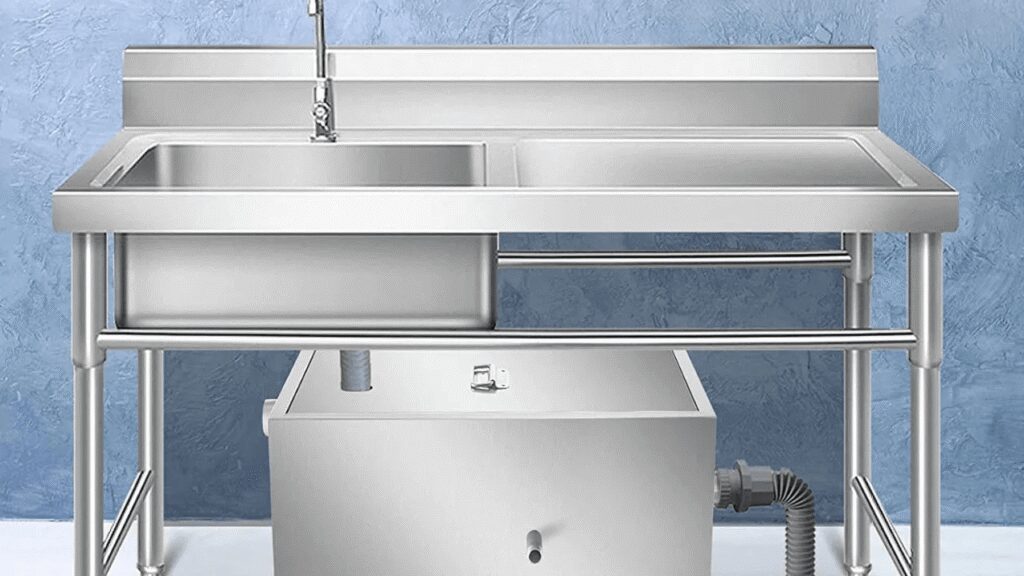
A grease trap above the stove is that metal filter chilling inside your kitchen hood.
Its job? Catch grease and smoke before they stick to your cabinets or ruin your vibe.
You’ll usually spot it right under the hood or rangehood fan—grimy, forgotten, and definitely overdue for a clean.
Think of it like your kitchen’s sweatband—soaking up the mess so your space doesn’t.
If things are smelling funky and looking greasy up top, your trap might be clogged—and it’s worth asking, is grease trap waste hazardous? Chances are, it’s time for a clean-out.
Why Regular Cleaning Is Important
1. Grease Builds Up Fast: Cooking Is fun, but that steam and sizzle? It’s secretly stacking up grease right above your stove. Leave it alone too long and you’ve got a sticky mess waiting to trap heat, smoke, and smells.
2. It Can Mess with Airflow: A clogged grease trap doesn’t just look gross. It can block airflow, making your vent hood work overtime or, worse, do nothing at all.
3. Fire Risk Is Real: Grease is flammable. Like, don’t-light-a-match-near-it flammable. A dirty trap ups the chances of flare-ups while you’re sautéing your next masterpiece.
4. Smells Start to Linger: Old grease stinks. Keep it clean and your kitchen smells like food, not last week’s fries.
Quick fix? Wipe it down weekly and deep clean monthly. No drama, just peace of mind.
How Often Should You Clean It?
Short answer? Way more than you think. If you’re cooking daily, clean that grease trap every two weeks.
Light cooker? You can push it to once a month—but don’t stretch it. Grease builds up fast, and once it clogs, it’s like traffic at 5 PM: slow, messy, and full of regrets.
Smell something funky or see drips? That’s your trap begging for attention. Set a reminder. Your future self (and your kitchen) will thank you.
Tools & Materials You’ll Need
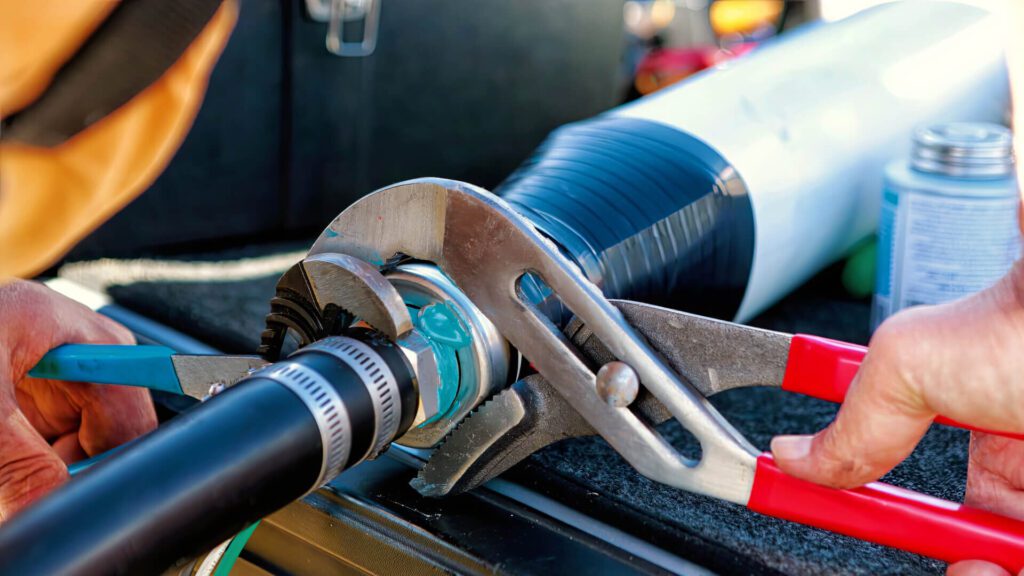
- Gloves: Grease is stubborn, and it’s not something you want on your skin. Grab a pair of rubber gloves that can take the heat—and the grime.
- Screwdriver or Wrench: You’ll likely need one to pop off the trap cover. Keep both handy, because some brands like to keep you guessing.
- Dish Soap & Degreaser: Skip the weak stuff. You want something with actual bite. Think: the kind that bullies grease into submission.
- Scrub Brush or Old Toothbrush: Your MVP for corners and grooves. A stiff-bristled brush works best, but a toothbrush will flex in tight spots.
- Bucket with Hot Water: You’re not cleaning dry. Hot water helps melt the gunk so you’re not there all day. Fill it up before you start.
- Microfiber Cloth or Rag: For the final wipe-down. Make it lint-free, unless you want your grease trap to double as a fuzz trap.
Step-by-Step Guide to Clean Grease Trap Above Stove
Alright, let’s not overthink it. Cleaning that grease trap above your stove is one of those gritty jobs you can DIY with the right moves. If you’re looking for tips on grease trap maintenance in Pembroke Pines, here’s how to handle it like you actually know what you’re doing.
1. Turn Everything Off (Don’t Skip This)
First things first—make sure your stove and exhaust fan are off. Unplug the hood if it’s electric.You’re not trying to win a fire-starting contest. Just avoid surprises, yeah?
2. Cover the Cooking Area
Lay down a towel or newspaper on your stove. Grease drips like it’s got a personal vendetta against clean surfaces. Trust—this 10-second step saves a 30-minute scrub down later.
3. Remove the Grease Trap
Find the trap—it’s usually a metal or mesh filter under the hood. Slide or pop it out carefully. If it feels stuck, don’t Hulk-smash it. Wiggle gently. Most of them are held by tabs or a latch.
4. Soak It Like Last Night’s Lasagna Dish
Drop the trap into a sink or tub filled with hot water and dish soap. Let it sit for 15–20 minutes. Grease loves to cling. This soak tells it to pack its bags.
5. Scrub Without Mercy
Use a soft-bristle brush or an old toothbrush. Scrub both sides. Get into the corners like you mean it. Add baking soda if it’s being extra stubborn. That combo? Straight-up cheat code.
6. Rinse and Dry Like a Grown-Up
Rinse it under warm water until it stops feeling slimy. Then dry it off completely. No shortcuts here. Wet filters can mess with airflow and attract more grime.
7. Wipe Down the Inside Hood Area
With the trap out, wipe around the opening. Use a degreaser or warm, soapy water. Think of this as cleaning behind your ears—most folks skip it, but you’re not most folks.
8. Pop It Back In and Flex
Once it’s clean and dry, slide the grease trap back in. Make sure it clicks or sits snugly. Fire up your fan for a test run. If it’s humming smoothly, you nailed it.
9. Set a Reminder for Next Time
Mark your calendar or set a reminder. Every 1–2 months is the sweet spot, depending on how often you cook. Letting it build up? That’s how kitchen fires start—or worse, you get roasted by guests for a stanky kitchen.
What Not to Do
Don’t yank the trap out like you’re winning a prize—grease is messier than it looks. Skip the boiling water. It can warp parts and push gunk deeper, not flush it out. And for the love of your nostrils, never mix chemicals. You’re cleaning a trap, not brewing chaos.
When to Replace the Filter Instead of Cleaning
If your filter still smells funky after a good scrub, it’s probably toast. Same goes if it’s warped, rusted, or grease is caked like lasagna layers.
Don’t waste time scrubbing a goner. Swapping it out keeps your kitchen fresher and your airflow on point.
Final Tips for Grease Trap Maintenance
Don’t wait for the stink. Clean it monthly if you cook a lot. Wipe down nearby surfaces—grease travels like gossip.
Use hot, soapy water regularly. It’s low-effort, high payoff. And if it’s smelling weird even after cleaning? Time to check the filter or call in a pro.
Frequently Asked Questions
1. How often should I clean it?
Every 1-2 weeks, depending on how often you cook with oil. If it smells funky, it’s overdue.
2. Can I use just soap and water?
You could… but grease laughs at weak sauce. Go with degreaser or baking soda mix.
3. Is it safe to DIY?
Totally. Just kill the power, wear gloves, and don’t wing it with random tools.
Conclusion
Cleaning the grease trap above your stove isn’t a flex—it’s just smart. Skip it too long and you’re basically cooking in a smoke trap. Stay on top of it, keep it quick, and your kitchen won’t just look clean, it’ll feel like it knows what it’s doing.