
How Do I Choose the Right Size On-Floor Grease Interceptor?
Grease traps aren’t a one-size-fits-all situation. Pick the wrong size, and you’ll be stuck with clogs, foul smells, and costly fixes.
Choosing the right on-floor grease interceptor means matching it to your kitchen’s flow and waste levels. This guide breaks down how to size it right so your system runs smoothly.
How do I choose the right size on-floor grease interceptor?
Match interceptor size to sink flow, grease load, and local codes. Understanding causes clogs, oversize wastes money.
Even the right size system needs restaurant grease interceptor maintenance for efficiency.
Key Takeaways
- Right size = fewer clogs, smells, and repairs.
- Match interceptor capacity to sink flow, grease load, and local codes.
- Oversizing wastes money and space, undersizing causes backups.
- Factor in future growth and maintenance needs.
- Check city regulations before buying.
What Is an On-Floor Grease Interceptor?
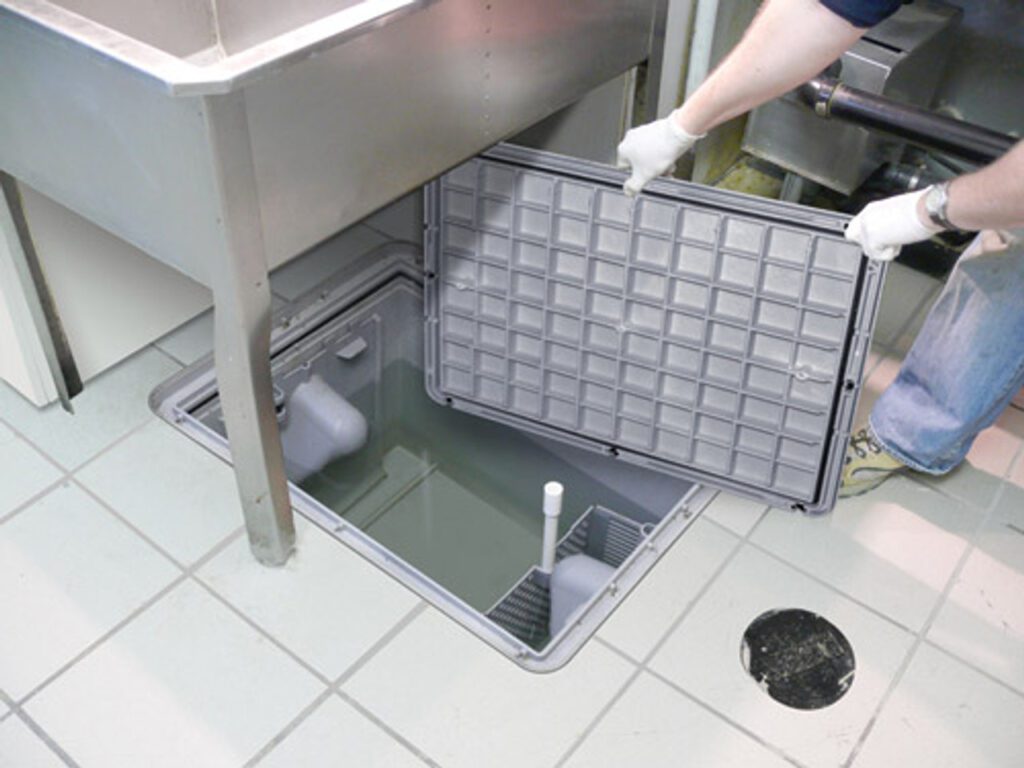
An on-floor grease interceptor is basically your kitchen’s filter system for fats, oils, and grease. It sits right on the floor, usually near sinks or dishwashers, catching gunk before it slips into the pipes.
Think of it like a bouncer at a club, keeping the troublemakers out so your plumbing stays smooth. By trapping grease at the source, it saves you from clogged drains, nasty backups, and pricey repairs.
In short, it’s a low-key workhorse that keeps your kitchen running clean while cutting down on future headaches.
Why Size Matters for Grease Interceptors
Pick a grease interceptor that’s too small and you’ll be unclogging drains faster than you can flip a burger. It’ll overflow, smell bad, and put you on the health inspector’s radar.
Go too big and you’re wasting cash upfront plus extra space you probably don’t have in your kitchen. Bigger isn’t always smarter, especially if the flow doesn’t match the trap.
The right size is like the perfect pair of sneakers: it fits your pace and doesn’t slow you down. When sized properly, a grease interceptor keeps your plumbing flowing, avoids surprise shutdowns, and saves you from constant maintenance headaches. It’s less stressful, more uptime, and smoother service.
Correct sizing works best when paired with professional grease interceptor service.
Key Factors That Determine the Right Size
Sizing an on-floor grease interceptor isn’t guesswork, it’s strategy. Get it wrong and you’ll be stuck with clogs, smells, and a bill for emergency plumbing that feels like daylight robbery. Get it right and the thing runs quietly in the background, no drama.
First up, think of the flow rate. The interceptor has to handle the volume of water your sinks and dishwashers pump out at peak hours. A busy kitchen with multiple sinks will need more capacity than a small café rinsing plates. Undersizing here means backups, which is not the kind of “special” your chef wants to serve.
Next is grease load. Not every kitchen pumps out the same amount of fat and oil. A burger joint frying patties all day is a different beast from a salad bar. The heavier your menu leans on fryers and grills, the larger the interceptor you’ll need.
Local codes matter too. Many cities have regulations that dictate minimum sizing, placement, and even cleaning schedules. Ignore them and you’re risking fines or worse, a forced shutdown. The cheat code here is simple: check your local plumbing code before buying.
Don’t forget maintenance. Bigger interceptors hold more grease, which means fewer pump-outs. But bigger isn’t always better if you don’t have the floor space or budget. It’s about balance, not bragging rights.
Finally, future-proofing is smart. If you’re planning to expand your menu, add equipment, or grow your customer base, size up slightly. Paying once for a unit that grows with you beats ripping up the floor later.
Correct sizing still requires regular grease interceptor cleaning in Aventura to maintain efficiency.
Common Sizing Guidelines & Formulas
Grease interceptors aren’t a one-size-fits-all deal. The size you need depends on how much wastewater your kitchen pumps out and how much fat, oil, and grease it carries. Go too small and you’re cleaning clogs every week. Oversize it and you’re wasting space and money.
A simple rule most kitchens follow is based on sink capacity. Add up the gallons from all your sinks and dishwashers, then multiply by a flow factor (usually 0.75). That gives you the minimum interceptor volume in gallons. It’s like doing quick kitchen math to avoid plumbing disasters.
For restaurants, a more detailed formula looks at meals served per peak hour × grease factor × retention time. Sounds intense, but it’s just a way of making sure the tank holds enough wastewater long enough for grease to separate.
Codes can vary by city, so always double-check your local requirements. Many health departments publish sizing charts you can cross-reference with your own numbers. Think of those as cheat sheets that keep you compliant and out of hot water.
Mistakes to Avoid When Sizing a Grease Interceptor
One of the biggest slip-ups is underestimating kitchen flow. Go too small and you’ll be unclogging drains weekly. Oversize it and you’ll waste cash on equipment you don’t need.
Don’t just guess based on sink size or copy another restaurant’s setup. Factor in peak hours, water volume, and food type. A right-sized interceptor saves you money, stress, and surprise health-code headaches.
Professional Help vs. DIY Sizing
You can try sizing a grease interceptor yourself with calculators and spec sheets, but it’s easy to mess up. An undersized unit clogs, while an oversized one wastes cash and space.
Bringing in a pro means they factor in flow rates, local codes, and kitchen realities. Think of it like tailoring a suit: you can buy off-the-rack, but custom always fits better.
How to Maintain Your On-Floor Grease Interceptor Once Installed
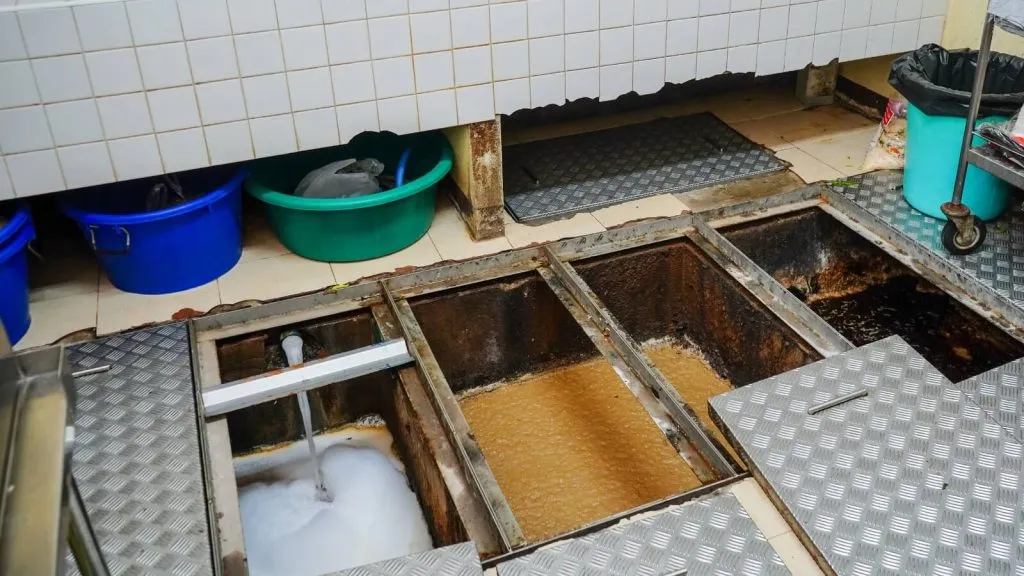
Keeping your interceptor in top shape isn’t rocket science. Schedule regular pump-outs before grease builds up and starts causing blockages.
Wipe down lids and seals so they stay tight, and give the unit a quick check after busy shifts. Stay on a cleaning routine, and you’ll dodge smells, clogs, and surprise repair bills.
Frequently Asked Questions
1. Do I really need a grease interceptor?
Yes. If you’re running a kitchen that pumps out more than just toast and tea, you need one. It keeps fats, oils, and grease from clogging your plumbing.
2. How do I know what size fits my kitchen?
Check your sink volume and daily water flow. The interceptor should handle both without backing up.
3. Can I oversize it?
Bigger isn’t always better. An oversized unit can cause food solids to sit and smell.
Conclusion
Picking the right on-floor grease interceptor isn’t about guesswork, it’s about fit. Size it too small and you’re stuck with clogs, backups, and extra headaches.
Go too big and you’ve wasted cash and space. The sweet spot comes from matching flow rates, kitchen load, and local code.
Nail those details and your interceptor becomes the silent workhorse that keeps everything running smooth.