
How Long Should a French Drain Last? Insider Tips
French drains are built to move water away from your home, but they don’t last forever. How long they hold up depends on materials, installation, and upkeep.
This guide shows you what affects their lifespan, how to spot wear, and the steps you can take to make yours last longer.
How long should a French drain last?
A properly built French drain usually lasts 30–40 years. Lifespan depends on installation, soil type, and maintenance.
Key Takeaways
- French drains typically last 30–40 years with proper installation and upkeep.
- Quality materials (PVC, washed gravel, filter fabric) extend lifespan.
- Poor installation, heavy clay soil, or skipped maintenance shorten life.
- Annual flushing and inspections prevent clogs and early failure.
- Replacement costs usually range from $2,000–$6,000.
What Is a French Drain?
A French drain is basically a hidden escape route for water. Instead of pooling around your yard or foundation, water slips into a gravel-filled trench with a perforated pipe at the bottom.
The setup isn’t flashy, but it’s smart. The pipe collects runoff and steers it away from trouble spots like basements or soggy lawns.
Think of it as low-key insurance against water damage. Once installed, it works quietly in the background, saving you from puddles, leaks, and the headache of costly repairs. And if you’ve ever wondered should a french drain have standing water, the answer ties right back to how well it’s doing that hidden job.
Average Lifespan of a French Drain
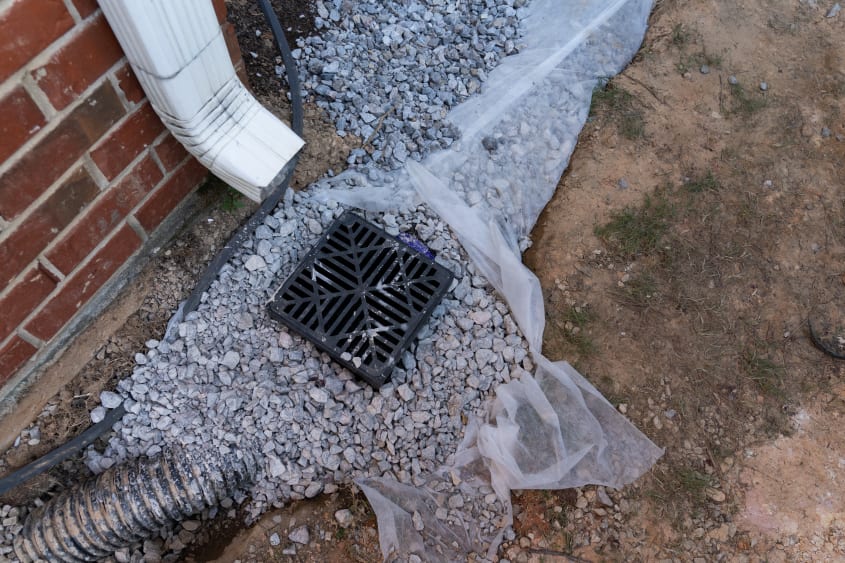
A well-built French drain isn’t a forever fix, but it should give you solid mileage. On average, you’re looking at 30 to 40 years before it starts slowing down.
The actual lifespan depends on the install quality, soil type, and whether the pipe clogs with silt or roots. Good drainage fabric and clean gravel make a big difference.
If yours is underperforming early, it’s usually a maintenance issue, not a design flaw. A quick flush or inspection often gets things back on track, so before asking French drains good or bad?, remember that upkeep is usually the key.
Bottom line: build it right, keep it clean, and your French drain will quietly do its job for decades.
Factors That Affect How Long a French Drain Lasts
Not all French drains age the same. Some last decades without breaking a sweat, while others clog up in a few years. The difference usually comes down to a handful of factors you can actually control.
First up, installation. If the slope’s wrong or the pipe isn’t wrapped in proper fabric, water will pool and soil will sneak in. That’s basically the fast track to clogs and repairs.
Materials matter too. Perforated PVC holds up way longer than the cheap corrugated stuff. Pair it with washed gravel and a quality filter fabric, and you’re setting yourself up for the long haul.
Soil type plays a big role. Clay-heavy yards trap water and clog faster, while sandy soils drain smoother. Knowing your ground before you build saves future headaches.
Lastly, maintenance matters. If you’re wondering what maintenance is required for a french drain?, it’s simple. A quick flush every year or two keeps debris out and the flow strong. Skip it, and even the best-built drain will clog faster than you think.
The takeaway? A French drain isn’t just “set it and forget it.” Get the install right, use solid materials, and show it a little love, and it’ll stick around for decades. And if you’re wondering, Do French drains work in heavy rain?, they can, as long as they’re properly designed and maintained.
Signs Your French Drain Is Failing
- Water pooling in your yard: If puddles stick around after rain, your drain’s not pulling its weight. It’s a clear sign of clogs or collapse.
- Damp basement walls: Moisture sneaking back inside means the system isn’t channeling water away. Don’t ignore early stains or musty smells.
- Soil erosion near the drain: Washed-out patches or uneven ground often point to leaks or blockages. The water’s finding its own path instead.
- Slow drainage after storms: If water takes hours to disappear, your pipe could be clogged with dirt, roots, or debris.
- Visible sediment build-up: Excess mud or gravel around the drain exit usually signals backups. Cleaning it out early saves bigger headaches.
How to Extend the Life of a French Drain
A French drain isn’t a “set it and forget it” deal. If you want yours to last, think of it like a car—it needs the occasional check-up.
First, keep debris in check. Leaves, soil, and mulch love clogging drains, so clear the surface regularly. If water pools near the entry point, it’s a sign the line needs flushing.
Second, install proper filter fabric when building. It’s the cheat code that keeps soil out while letting water through. Without it, the drain’s lifespan drops fast.
Lastly, don’t pile heavy landscaping or drive vehicles over the line. Crushed pipes mean costly repairs. Treat the drain like hidden infrastructure—out of sight but not out of mind.
With these moves, your French drain will stay sharp for decades instead of giving out early.
French Drain vs Other Drainage Options
French drains aren’t the only way to kick water out of your yard, but they’re often the cleanest fix. Compared to surface drains or gutters, they deal with the problem underground, keeping water away from sight and foundation.
Surface drains are cheaper upfront but can clog fast and look bulky. Dry wells soak up water in one spot, but they don’t move it away. French drains, on the other hand, guide water out of your space entirely, which means less standing puddles and fewer long-term headaches.
If you’re after something that lasts and actually protects your home’s base, a French drain usually flexes harder than the alternatives.
When to Repair vs Replace a French Drain
Not every soggy spot calls for a full overhaul. If your drain’s just clogged with dirt or roots, a clean-out or partial pipe swap usually gets it flowing again. That’s the “repair” lane.
But if the system’s collapsing, crushed, or poorly installed from day one, repairs are just band-aids. At that point, replacement saves you money and stress long-term.
Think of it like sneakers: patch a scuff, but if the sole’s peeling off, it’s time for a new pair.
Cost of Replacing a French Drain
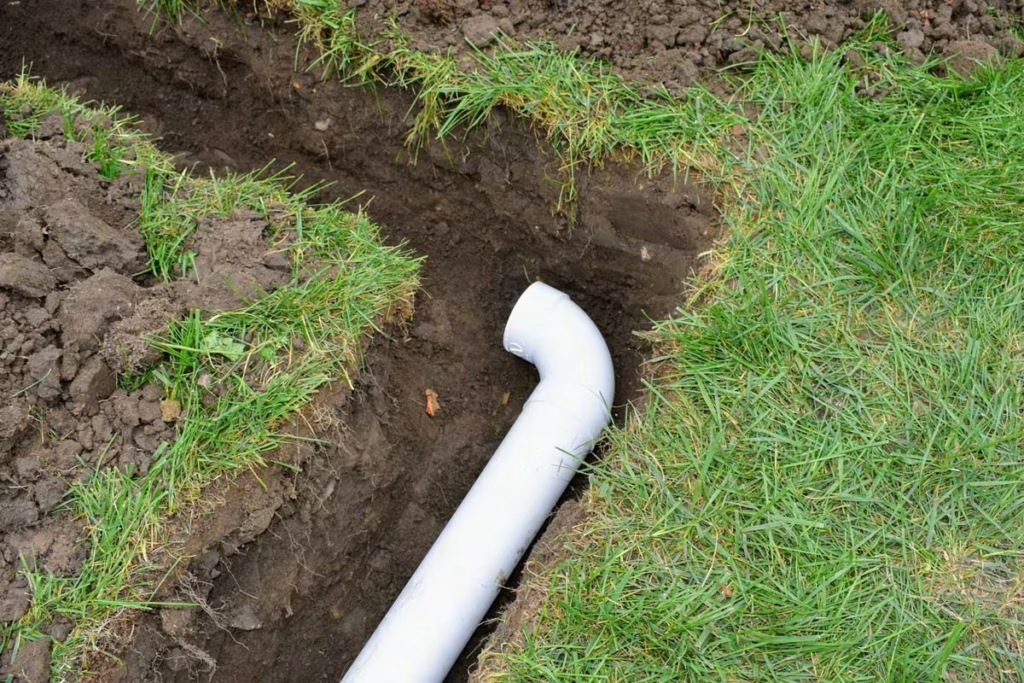
Swapping out a tired French drain isn’t pocket change. On average, you’re looking at $2,000 to $6,000 depending on length, depth, and how tricky the dig is.
If landscaping or concrete removals are in the mix, the bill can climb higher. The smart move? Get a couple of quotes before you commit so you don’t blow the budget.
Frequently Asked Questions
1. How long does a French drain last?
Typically 30–40 years if it’s installed right and not clogged with debris.
2. Can I make it last longer?
Yep. Keep gutters clean, add gravel filters, and don’t let soil collapse around it.
3. What’s the biggest reason they fail?
Poor installation or soil getting compacted. Both kill drainage fast.
Conclusion
A french drain isn’t forever, but with good design and upkeep, it should last decades. Think 30–40 years if the installation’s solid and you don’t let debris clog it up.
The trick is simple: clean it out, keep an eye on water flow, and fix issues early. Do that, and your drain keeps pulling its weight without you stressing about replacements anytime soon.