
What Maintenance Is Required for a French Drain? Act Fast
French drains do their best work quietly underground, but they’re not completely hands-off. Like any system, they need a little upkeep to keep water flowing smoothly.
With simple checks and the right maintenance, you can prevent clogs, avoid costly repairs, and make sure your drain keeps doing its job year after year.
What Maintenance Is Required for a French Drain?
Clear debris, flush annually, check slope, and keep outlets open for smooth drainage.
Key Takeaway
- Clear debris from surface and openings regularly
- Flush the pipe with a garden hose once or twice a year
- Watch for soil shifts or slope issues that slow drainage
- Keep the outlet clear of dirt, roots, or blockages
- Call a pro if you see pooling, foul smells, or pipe collapse
How a French Drain Works
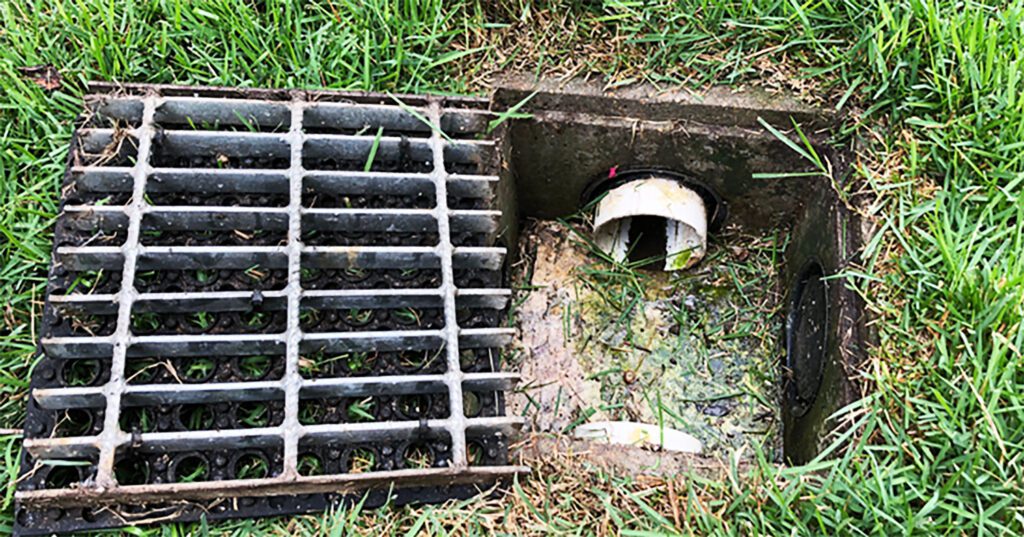
Think of a French drain as your yard’s pressure valve. Water that would normally pool up gets redirected into a sloped trench lined with gravel.
Inside that trench sits a perforated pipe, letting water slip in and flow away from your home. No magic, just gravity doing its thing.
By moving the excess water underground, it keeps your lawn usable and your foundation safe. In short, it’s a simple setup that saves you from swamp vibes and costly repairs.
Common Issues That Require Maintenance
French drains are low-key heroes, but they’re not invincible. One common headache is clogging from dirt, leaves, or roots sneaking into the pipe. If water starts pooling in spots that should be draining, that’s your cue.
Shifting soil is another one. Over time, ground movement can throw off the slope, making the drain less effective. A quick regrade or pipe adjustment usually sorts it.
Then there’s root intrusion. Trees love to find any moisture source, and a French drain is like a free drink. If you see slow drainage or backups, roots might be the culprit.
Finally, crushed or broken pipes can sneak up on you, especially if heavy equipment rolled over the area. Inspecting and replacing damaged sections early keeps your whole system from flopping.
Routine French Drain Maintenance Tasks
Think of your French drain like a sneaker collection. Looks good, works better when you keep it clean. Skip the care and suddenly you’re stuck with smells, clogs, and backyard puddles.
Start with the obvious: clear debris off the surface. Leaves, mulch, and stray grass love to camp out around drain openings. A quick sweep every couple weeks keeps the system breathing.
Next, give the drain a flush. Running a garden hose through the line once or twice a year clears out small buildups before they turn into full blockages. It’s like resetting your Wi-Fi—simple but effective.
Watch the slope and soil too. If the ground shifts, water won’t flow right. Spot pooling near the drain? That’s your sign the grade needs a check or a top-off with gravel.
Lastly, peek at your outlet point. That’s where all the water exits. If it’s jammed with dirt or roots, the whole system backs up. Keeping this clear is the cheat code for smooth drainage.
Routine care isn’t glamorous, but it’s the difference between a drain that flexes year after year and one that gives up mid-storm.
Seasonal Maintenance Tips
Spring’s your cleanup season. After heavy rains, check the drain for clogs from leaves or mud. Clear out debris before it hardens into a problem.
Summer? Chill mode. Just make sure plant roots aren’t creeping into the system. A quick glance once a month keeps things smooth.
Fall is crunch time. Clear fallen leaves before they pile up and block water flow. Think of it like sweeping your sneaker collection—quick and satisfying.
Winter calls for a freeze check. If temps drop hard, watch for ice buildup near the outlet. A blocked exit can send water right back to your foundation.
Stick to these small seasonal habits and your French drain will keep flexing year-round. Low effort now saves you a wallet-punching repair later.
Signs Your French Drain Needs Professional Help
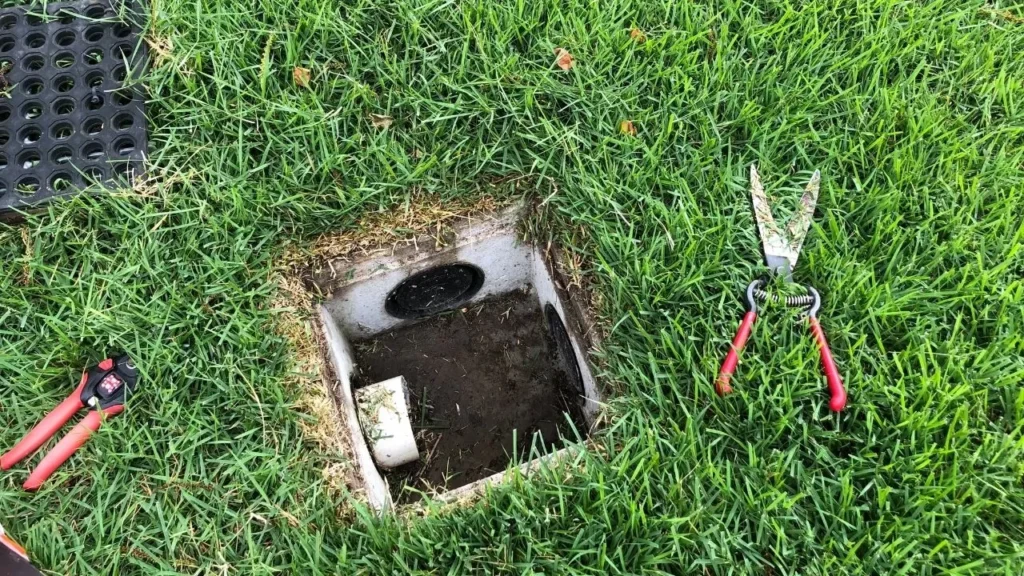
If your yard looks more like a swamp after rain, that’s a red flag. A working French drain should keep water moving, not turn your lawn into a pond.
Bad smells creeping up near the drain? That’s grease-trap energy, not how your yard should vibe. Odors mean water’s sitting still, and that’s trouble time to call for Professional Grease Trap Service.
Notice soil washing away or the drain line collapsing? Time to call in the pros. DIY patches won’t cut it if the system’s clogged or cracked.
Bottom line, if your drain’s stressing you out more than it’s helping, get an expert in. They’ll spot the issue fast and save you from bigger headaches later.
DIY vs Professional Maintenance
Cleaning out a French drain yourself is possible if you’ve got some grit and a pressure washer. You’ll save cash, but it’s messy and can get sketchy if the line is buried deep.
A pro? They bring camera scopes, jetting gear, and know-how that keeps problems from sneaking back. It costs more, but you get peace of mind and less trial-and-error stress.
Best play? Handle light check-ups yourself, then call in the pros when clogs or flooding show up. Think of it like car maintenance: you can wash it, but you’re not rebuilding the engine in your garage.
Extending the Life of Your French Drain
A French drain isn’t a “set it and forget it” deal. If you want it to last, give it some love.
Clear leaves, mud, and random backyard debris before they pile up like an inbox you’ve been ghosting.
Keep an eye on the outlet too. If water isn’t flowing, you’ve basically got a pricey puddle maker.
Once a year, flush it with a garden hose to keep things moving smooth.
Think of it like sneaker care, not surgery. A little maintenance now keeps the system flexing for years.
Cost Considerations for Maintenance
French drain upkeep isn’t going to wreck your budget, but you should plan for it. A pro cleanout every few years costs less than fixing a flooded yard later.
DIY checks are basically free, just your time and maybe a garden hose. If repairs pop up, expect a few hundred bucks, depending on pipe length and how gnarly the clog is.
Frequently Asked Questions
1. Do French drains need regular cleaning?
Yep. Silt, leaves, and mud can sneak in. Flush it yearly to keep water flowing.
2. Can roots clog a French drain?
For sure. Tree roots chase water. Keep drains clear and trim nearby roots.
3. How do I know if it’s blocked?
Water pooling in your yard is the dead giveaway. A quick check saves headaches.
Conclusion
French drains don’t need daily attention, just some smart check-ins. Clear out leaves, flush the line once in a while, and make sure the exit isn’t blocked.
Do that, and your drain will keep flexing through heavy rains without a mess. It’s a low-key system, but like a good pair of kicks, it lasts when you give it a little care.