
How Deep Should a French Drain Be?
A French drain is one of the most effective ways to manage excess moisture and protect your property from water damage. Whether you are dealing with a soggy lawn or a damp basement, the success of your drainage project depends almost entirely on one question: how deep do you need to dig? Setting the right depth ensures that water is intercepted before it can cause structural issues or turn your backyard into a swamp.
At Americlean Pumping, we see many homeowners struggle with DIY drainage because they understate the importance of elevation and trench depth. In this guide, we will break down the technical requirements for a successful install so you can achieve long-term groundwater management and peace of mind.
Understanding the Purpose of a French Drain System
The primary goal of a French drain system is to provide a path of least resistance for water. Unlike a surface drain that only catches puddles, this system uses a gravel drainage trench and a perforated drainage pipe to collect water that is soaking into the soil.
By directing this water away from high-traffic areas or building footings, you gain superior foundation water protection. Understanding how does a french drain works is the first step in realizing that the depth must be calculated based on where the water is coming from and where you want it to go. It is not just a ditch filled with rocks; it is a calculated landscape drainage solution designed to stabilize the soil around your home.
Standard Depth Guidelines for Effective Water Drainage
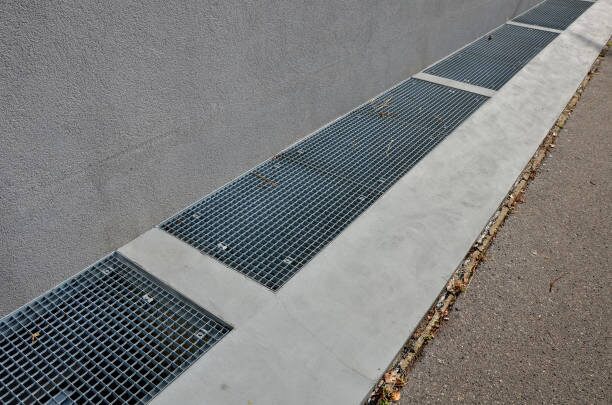
For most residential applications, the standard landscape drainage trench depth ranges between 18 and 24 inches. This depth is usually sufficient to intercept surface water and shallow groundwater that causes lawn saturation.
However, if your goal is to protect a basement or a crawlspace, you may need to dig much deeper. In these cases, the pipe should be placed near the level of the footing, which could be several feet underground. Regardless of the total depth, the trench must maintain a downward slope of at least 1 percent. This means for every 10 feet of length, the pipe should drop about 1 inch to ensure gravity moves the water to the discharge point.
Even when installed at the correct depth, systems can still develop issues over time, making it important to recognize signs your French drain is clogged and needs cleaning before major damage occurs.
Factors That Influence the Ideal French Drain Depth
Several variables determine how deep for french drain requirements are for your specific property. Since no two yards are identical, consider these factors before digging:
- The Source of the Water: If you are trying to prevent water pooling in your yard, a shallow trench is fine. If you are stopping a leaking basement, you must go deeper.
- Soil Composition: Heavy clay soils retain water longer and may require a wider or deeper trench to increase the collection area.
- The Frost Line: In colder climates, pipes placed too shallow can freeze, leading to backups during the spring thaw.
- Existing Utilities: You must always call before you dig to ensure your trench depth does not interfere with gas, water, or electric lines.
- The Discharge Point: Your drain must end somewhere lower than it starts. The depth at the beginning of the run is limited by how much room you have to maintain a slope until the exit point.
Common Installation Mistakes That Affect Drain Performance
Even with a high-quality perforated drainage pipe, a system can fail if the installation is rushed. One frequent error is digging a trench that is perfectly level. Without a consistent slope, water will simply sit in the pipe and lead to silt buildup or root intrusion.
Another mistake is neglecting to use a filter fabric or “sock” around the pipe or lining the trench. Without this barrier, fine sediment and soil particles will eventually clog the gravel drainage trench, rendering the system useless. Finally, many people fail to consider the volume of water. If the trench is too shallow or the pipe is too small, a heavy storm can easily overwhelm the system, leading to continued yard drainage improvement issues.
Materials and Design Tips for a Reliable French Drain
To build a professional-grade foundation drainage system setup, you need the right materials. This is not a project where you want to cut corners.
- Gravel selection: Use washed 1.5-inch crushed stone. Avoid small pea gravel as it can pack too tightly and slow down water flow.
- Pipe Quality: Use rigid PVC perforated pipe whenever possible. While flexible corrugated pipe is cheaper, it is harder to clean and more prone to crushing.
- Fabric Lining: Wrap the entire gravel bed in non-woven drainage fabric to keep the soil and stone separate.
- Top Layering: You can cover the top with decorative stone or a thin layer of sod. If you want a more natural look, you might consider a pipeless french drain for specific sloped areas, though piped systems remain the gold standard for volume.
Following a strict French drain installation guide ensures that your stormwater runoff control remains effective for decades rather than just a few seasons.
Maintenance Practices to Keep Your Drain Working Properly
A well-designed system is low maintenance, but it is not “no maintenance.” To keep your groundwater management system at peak performance, follow these French drain maintenance tips:
- Inspect Discharge Points: Ensure the end of the pipe is clear of debris, mulch, or animal nests.
- Clear Silt and Debris: If your system has a catch basin or a cleanout port, check it annually for sediment buildup.
- Monitor Vegetation: Avoid planting trees or large shrubs directly over the drain line, as roots are naturally attracted to the water inside the pipe.
- Check Performance After Heavy Rain: Walk your property after a big storm to ensure water is flowing out of the discharge point and no new pooling is occurring.
Frequent Ask Questions:
For general yard drainage, 18 to 24 inches is standard. For foundation protection, the depth should match the bottom of the footing.
Yes. Surface water issues require shallower trenches, while high water tables or basement moisture requires much deeper excavation to be effective.
Yes. If it is too shallow, it may not intercept the water table, and it is more susceptible to damage from lawnmowers or freezing temperatures.
Most experts recommend a 4-inch perforated PVC pipe because it is durable and easy to maintain.
Yes. Periodic inspections of the outlet and cleaning out any accumulated silt will extend the life of the system significantly.
Conclusion
Getting the ideal French drain depth is the difference between a dry yard and a costly foundation repair. Proper French drain design requires a balance of the right materials, the correct slope, and an understanding of your local landscape. If you are tired of dealing with swampy grass or moisture in your home, Americlean Pumping is here to help. Our team specializes in comprehensive drainage solutions that stand the test of time. Whether you need a full drainage trench installation or expert advice on yard drainage improvement, we have the tools and experience to get the job done right. Contact Americlean Pumping today to schedule a consultation and take the first step toward a drier, safer property with a professional french drain.
Proper installation and regular French drain maintenance and prevention solutions are both important for effective drainage performance.
If your system isn’t performing as expected, it could indicate underlying problems that require professional French drain cleaning services to restore proper flow