
What Size Stone for French Drain – Rated #1 by DIY Experts
Picking the right stone size for a French drain isn’t just about looks; it’s about making the system work effectively, especially for downspouts. Too small of a diameter, and water won’t flow properly, causing potential issues for the homeowner. Too big, and you’ll have gaps that clog with soil.
The right balance keeps drainage smooth and your yard free from standing water, ensuring an effective drainage system that directs water away.
What size stone for French drain?
Use ½ to 1½ inch crushed gravel. The sweet spot is ¾ inch for most projects, balancing flow, stability, and the right gravel for drainage.
Key Takeaway
- Best stone size: ½ to 1½ inch crushed gravel
- ¾ inch crushed stone = ideal for most drains
- Avoid pea gravel, sand, or round stones (clogs easily) when selecting gravel types for your drainage system.
- Always use a solution to manage water away from your home. filter fabric to block soil
- Proper slope + clean gravel = smooth, long-lasting drainage
What Is a French Drain?
A French drain is basically a hidden exit strategy for water, designed to protect your property from excess moisture and act as a barrier against flooding. Instead of letting rain pool around your home, it gives it a direct path to escape.
Picture this: a trench lined with gravel and a perforated pipe at the bottom. Water slips in, runs through the pipe, and gets carried safely away.
It’s not flashy, but it works hard in the background, much like drainage experts do. The payoff? Choosing the best gravel for drainage can save you time and money in the long run. Dry basements, solid foundations, and a yard that isn’t a swamp every time it rains. Curious about What maintenance is needed for a French drain to ensure good drainage? keeps it performing like this? A little routine care goes a long way.
Why Stone Size Matters
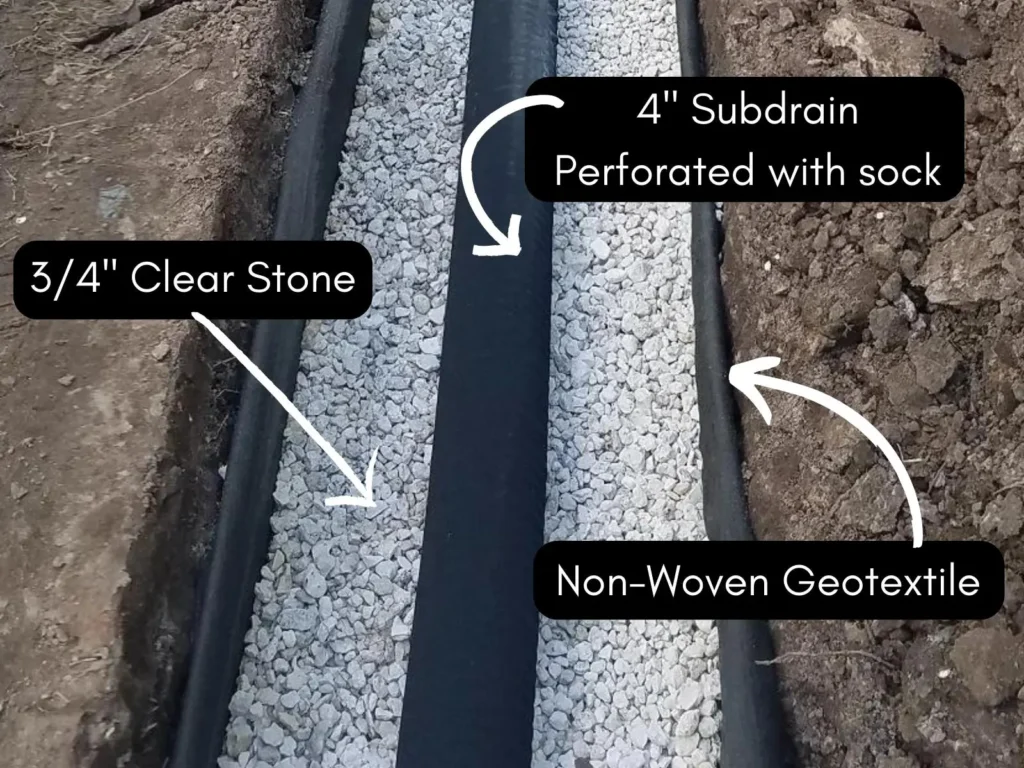
Stone size isn’t just about looks, it’s about performance. Go too small and the rocks pack tight, choking the water flow. Go too big and you’ll leave gaps that let soil sneak in.
The right size stone keeps water moving while blocking dirt and debris. That balance means fewer clogs, smoother drainage, and less maintenance.
Think of it as the filter in your French drain system, helping to manage water flow efficiently. Pick the right “mesh” and the whole setup runs like clockwork, keeping your yard dry without turning into a weekend repair project.
Recommended Stone Sizes for French Drains
When you’re picking stone for a French drain, size matters more than style. Go too small, and water flow slows down. Go too big, and you’ll waste space that should move water.
The sweet spot is usually gravel or crushed stone between ½ inch and 1½ inches. This range is big enough to keep water moving but small enough to lock together and stay put, preventing clogs. Think of it like choosing the right sneaker fit—snug but breathable.
For most home drainage, ¾-inch crushed stone is the go-to. It drains fast, resists clogging, and doesn’t shift around once packed in, making it a compact solution. If your soil is clay-heavy or you’re fighting serious runoff, bumping closer to 1½ inches in diameter gives the system more muscle.
Skip pea gravel or sand. They look tidy, but they clog faster than your sink after a pasta night. Water won’t flow right, and you’ll be back to puddles in no time.
Different Stone Options and Their Uses
Not all rocks pull their weight the same way. The size you choose changes how well your French drain actually works.
Pea gravel is the lightweight champ. It’s easy to shovel, fits snug around the pipe, and keeps water flowing smoothly. But it can shift over time, so it’s better for lighter drainage jobs using the right type of gravel.
Crushed stone, usually ½ to 1 inch, is the go-to for most DIY drains. It locks together, doesn’t wash away easily, and creates strong water channels. Think of it as the balance between easy handling and solid performance.
Bigger stones, like 1½ to 2 inches, bring heavy-duty vibes. They’re perfect if you’re dealing with serious runoff or want extra stability near foundations. Just know, moving them feels more like a workout than a weekend project when you choose the right gravel for your French drain.
Bottom line? Match the stone size to your water problem, not just what looks easiest to haul.
How Much Stone Do You Need?
Figuring out stone amounts isn’t guesswork; it’s simple math based on the types of gravel you choose. Measure the length, width, and depth of your trench. Multiply those numbers to get the cubic feet.
Since stone is sold by the cubic yard, divide by 27 to get your order size for effective drainage solutions. Most drains need about 1–1.5 cubic yards for every 10 feet of trench.
Always grab a little extra. Running a short mid-project is a rookie move that’ll cost you a second trip. Having a buffer keeps your install smooth, fast, and stress-free when you choose the right gravel.
Installation Tips for Best Results
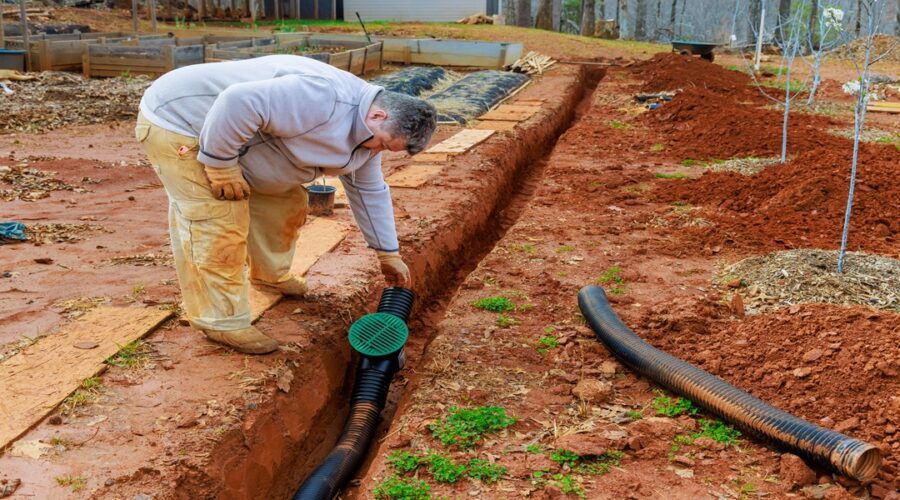
Start with the trench depth is crucial for ensuring effective drainage and directing water away from your home. to ensure good drainage. Keep it at least 18–24 inches so water flows without hitting a roadblock. Too shallow, and you’re wasting time and stone.
Line the trench with compact material to enhance the drainage effectiveness. landscape fabric before adding gravel for your French drain. It’s like giving your drain a filter, keeping soil out and water moving.
Lay the pipe with a slight slope, about an inch drop every 8 feet. That tiny tilt makes all the difference in preventing water buildup.
Cover the pipe with washed gravel, not crushed leftovers. Clean stone lets water move freely, no clogs or muddy messes.
Finish by wrapping the fabric over the top before backfilling. It locks the system in, so your French drain keeps doing its thing for years.
Maintenance Considerations
French drains don’t need constant babysitting, but they’re not totally set-and-forget either; they require periodic checks by drainage contractors. Keep an eye out for clogs where soil or leaves sneak into the gravel.
A quick flush with a hose can help drainage experts evaluate the system’s efficiency. garden hose or clearing debris at the outlet usually does the trick for maintaining your drainage system. Stick with crushed stone instead of smooth river rock, since it resists shifting and stays more open for water flow, providing the right gravel for your French drain.
Regular checkups mean less flooding drama and way more peace of mind for your property, helping to protect your investment.
Common Mistakes to Avoid
Using the wrong stone size is the biggest slip-up. Go too small and the drain clogs fast. Oversized rocks leave gaps that mess with the drainage system and disrupt water flow, which can be managed by using interlock materials.
Skipping filter fabric is another rookie move. Without it, soil sneaks in and ruins your setup. Always wrap the trench so your drain actually lasts and protects against excess water.
And don’t cheap out on the slope. A flat or uneven trench means standing water instead of a smooth exit route for your drainage system. Keep it steady, keep it draining, and always manage the flow effectively.
Frequently Asked Questions
1. What size stone works best for a French drain?
Go with ½ to 1 inch crushed gravel. It’s big enough for drainage but small enough to stay put.
Yes, line the trench with filter fabric. It stops soil from sneaking in and ruining flow.
2. Can I use pea gravel instead?
You can, but it clogs faster. Crushed gravel is the smarter long-term play.
3. Do I need fabric under the stone?
Here’s a conclusion you can drop straight into your article:
Go with ½ to 1 inch crushed gravel. It’s big enough for drainage but small enough to stay put.
You can, but it clogs faster when using gravel that isn’t the right type. Crushed gravel is the smarter long-term play for good drainage on your property.
Yes, line the trench with filter fabric. It stops soil from sneaking in and ruining flow.
Conclusion
Picking the right stone size for your French drain isn’t rocket science, but it makes or breaks the system. Stick with clean, angular gravel that lets water flow freely without clogging up.
Avoid fine sand or round pebbles that slow drainage. Get this detail right and your drain will stay low-maintenance, high-impact, and built to last.
Think of it as the quiet upgrade that keeps your yard dry and drama-free.