
What Is the Best Way to Keep Commercial Grease Pits Clean and Safe?
Grease pit cleaning is one of the most important tasks in any commercial kitchen. When grease pits are ignored, kitchens face foul odors, slow drainage, unexpected shutdowns, and even health code violations. For restaurants and food facilities across the USA, keeping grease systems clean is not optional. It is essential for safety, compliance, and daily operations.
If you operate a commercial kitchen, you already deal with heavy grease output. Over time, fats, oils, and grease collect in underground pits and industrial kitchen waste lines. Without proper grease pit maintenance, that buildup turns into thick sludge that blocks flow and damages infrastructure.
This guide explains the most effective way to manage grease systems, prevent emergencies, and keep your kitchen running smoothly.
Why Proper Grease Pit Maintenance Matters for Commercial Kitchens
Commercial kitchens produce high volumes of grease daily. That grease enters the drainage system and collects inside the pit. Without routine grease pit cleaning, layers of grease sludge removal become harder and more expensive.
Here is why maintenance matters:
- Prevents costly plumbing backups
- Reduces foul odors near food prep areas
- Protects industrial kitchen waste lines
- Helps maintain compliance with local regulations in the USA
- Supports long term grease buildup prevention
When grease accumulates beyond safe levels, it solidifies. This blocks wastewater flow and increases pressure inside the system. Eventually, wastewater can back up into sinks or floor drains. That creates health risks and business interruptions.
Routine grease trap pumping process and inspection reduce these risks significantly.
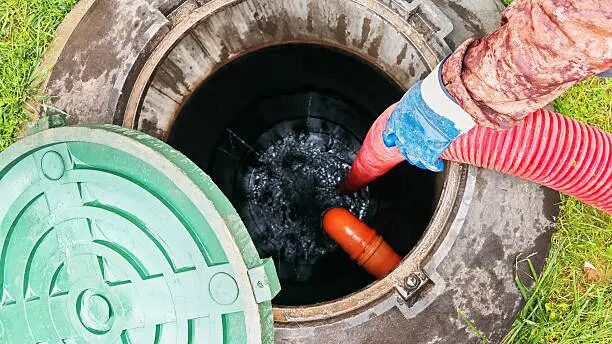
The Most Effective Methods for Keeping Grease Pits Clean
Keeping systems clean requires a structured approach. Commercial grease pit cleaning should never be reactive. It should be planned.
1. Scheduled Grease Pit Cleaning
The best approach is setting a recurring grease pit maintenance service schedule. Most commercial kitchens require service every one to three months, depending on volume.
During professional grease pit cleaning, technicians:
- Pump out all waste contents
- Remove hardened grease layers
- Inspect internal walls and baffles
- Check flow levels
- Perform complete grease sludge removal
This process restores full capacity and ensures proper flow.
2. Regular Grease Pit Inspection Service
Inspection is just as important as pumping. A grease pit inspection service identifies cracks, corrosion, and improper grease waste handling procedures before they become serious issues.
Inspections help with:
- Early detection of leaks
- Monitoring grease levels
- Identifying grease blockage prevention methods
- Maintaining documentation for compliance
3. Staff Training for Kitchen Grease Waste Removal
In house practices also matter. Staff should avoid pouring oil directly into sinks. Scraping food waste into trash bins instead of drains supports industrial grease management.
Simple habits help:
- Use sink strainers
- Wipe pans before washing
- Avoid hot water flushing as a solution
- Follow grease waste handling procedures consistently
While these steps support grease buildup prevention, they do not replace professional grease pit cleaning.
Common Hazards Caused by Poor Grease Pit Upkeep
Ignoring grease pit maintenance creates several risks.
Drainage Blockages
Grease thickens over time. Once it hardens, it narrows pipe diameter. This leads to slow drains and complete clogs in industrial kitchen waste lines.
Health Code Violations
Overflowing grease pits attract pests and produce strong odors. Health inspectors often check grease systems during routine visits. Failure to perform commercial grease pit cleaning can result in penalties.
Environmental Damage
Untreated grease can enter municipal systems and contribute to sewer overflows. Responsible industrial grease management protects public infrastructure.
Unexpected Shutdowns
A full pit can cause wastewater backups during peak hours. Emergency service is more expensive than scheduled grease pit cleaning.
For businesses in Florida, services like grease trap cleaning pompano beach and Catch basin cleaning aventura help prevent system wide drainage issues beyond the kitchen.
Professional Cleaning vs In-House Maintenance: What Works Better?
Some businesses attempt to handle grease systems internally. While staff can manage minor upkeep, full grease pit cleaning requires specialized equipment.
In House Maintenance
Pros:
- Helps reduce minor grease buildup
- Encourages good daily habits
Cons:
- Cannot remove deep sludge
- No professional inspection
- Does not complete grease trap pumping process
Professional Grease Pit Maintenance Service
Pros:
- Complete grease sludge removal
- Full tank evacuation
- Inspection and reporting
- Compliance documentation
- Safer grease waste handling procedures
For commercial kitchens in the USA, professional service is the only reliable way to ensure long term safety.
Americlean Pumping provides commercial grease pit cleaning designed to meet regulatory standards and operational demands. Their team understands industrial grease management systems and local compliance requirements.
If your facility also deals with stormwater drainage, consider storm drain cleaning fort lauderdale or Catch basin cleaning key biscayne to protect exterior drainage infrastructure.
Warning Signs Your Grease Pit Needs Immediate Service
Do not wait until systems fail. Watch for these indicators:
- Strong odors near drains
- Slow draining sinks
- Gurgling sounds in pipes
- Visible grease around lids
- Frequent plumbing backups
These signs indicate the grease trap pumping process is overdue. Immediate grease pit cleaning prevents shutdowns.
Another clear warning sign is grease rising close to the top during inspection. When solids and grease exceed safe capacity levels, emergency pumping is necessary.
Smart Maintenance Habits That Keep Systems Safe Long-Term
Sustainable grease pit maintenance combines scheduled service and responsible kitchen behavior.
Here are proven habits:
Create a Cleaning Calendar
Track each grease pit cleaning appointment. Maintain service records for inspection purposes.
Monitor Grease Levels Monthly
Even between professional visits, visual checks help identify early buildup.
Follow Grease Blockage Prevention Methods
- Avoid chemical shortcuts
- Do not use enzymes as a replacement for pumping
- Train new staff immediately
Coordinate Drainage Care Beyond the Kitchen
Grease can affect outdoor drainage systems. Services such as Catch basin cleaning aventura and storm drain cleaning fort lauderdale support full commercial kitchen drainage care.
When you combine professional grease pit maintenance service with smart operational habits, you extend system lifespan and reduce risk.
Conclusion
Grease problems start small but grow fast. Without proper grease pit cleaning, commercial kitchens risk shutdowns, fines, and structural damage. The best approach is simple: schedule consistent professional service, train staff properly, and monitor systems regularly.
Americlean Pumping supports businesses across the USA with reliable commercial grease pit cleaning, grease pit inspection service, and complete industrial grease management solutions. Do not wait for an emergency. Schedule your grease pit cleaning today and protect your kitchen from costly disruptions.
Frequently Asked Questions
Most commercial kitchens require grease pit cleaning every one to three months. High volume kitchens may need more frequent service depending on output.
A neglected system can cause drainage blockages, foul odors, wastewater backups, pest attraction, and potential health code violations.
Yes. While staff can support grease buildup prevention, only professional grease trap safety cleaning and pumping ensure complete grease sludge removal and compliance.
Warning signs include slow drainage, strong odors, gurgling sounds, and visible grease near the surface during inspection.
Yes. Routine grease pit maintenance reduces strain on industrial kitchen waste lines and extends the lifespan of the entire system.