
Can You Drive Over a French Drain? Find Out the Truth Now
Wondering if you can drive over a French drain? It’s better to stick to small vehicles to avoid structural issues. While these systems are great for managing water flow, driving over them can cause damage.
In this guide, we’ll explain why it’s not a good idea and share tips on how to protect your drain for long-lasting performance.
Can You Drive Over a French Drain?
Driving over a French drain isn’t recommended, as it can matter for its structural integrity. It can crush the gravel, compact the soil, and block the corrugated pipe, leading to serious drainage issues.
Key Takeaways
- French drains manage water, not traffic, which matters for homeowners.
- Driving over them can damage the pipe, gravel, or soil, causing clogs.
- Protection is key: use barriers or reroute traffic if needed.
- Regular maintenance is essential to keep your system functional, especially if it’s in a busy driveway.
What Is a French Drain?
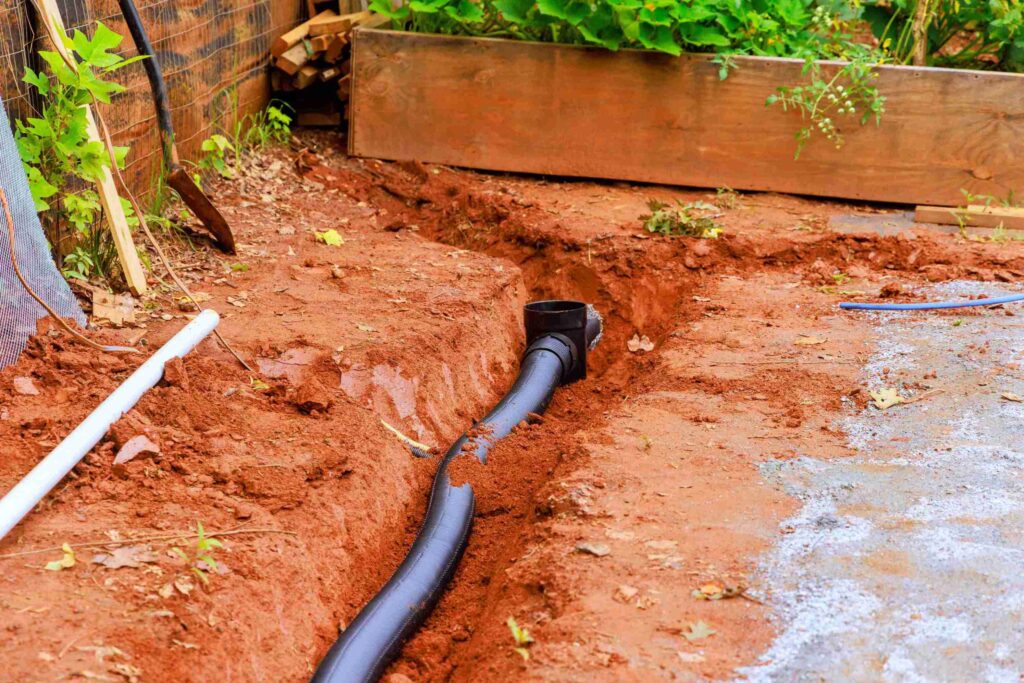
A French drain system is like your backyard’s unsung hero for handling water issues really effectively, much like curtain drains do. It’s a trench filled with gravel or rock, and tucked inside is a perforated pipe that can support light drainage. This setup helps guide water away from places you don’t want it—like your basement or lawn.
Basically, it’s a stealthy system that channels rain or ground moisture to a better spot, stopping flooding and puddles in their tracks.
The water flows through the pipe and into an area where it won’t cause problems. Think of it as a drainage cheat code, keeping things dry and smooth.
Can You Drive Over a French Drain?
It’s not ideal. A French drain is built to handle water, not cars. Driving over one can crush the gravel, compact the soil, and block the drainage pipe, making it a strong risk for drainage failure. That’ll leave you with a clogged, ineffective system—and likely a soaked lawn.
If you have enough structural support for light traffic. To drive over it, you’ll want to take precautions to cut down on potential damage, especially if it’s a small vehicle. For instance, putting down some protective materials, like a steel plate or a layer of gravel, can help. But even with that, you’re not giving your drain a fighting chance long-term.
The bottom line? Light vehicles are the only ones that should matter here. If your French drain is in a high-traffic area, consider rerouting it or reinforcing it with extra protection to handle the strong flow. Keep it clear for the water’s sake—and your car’s!
Factors That Affect Whether You Can Drive Over a French Drain
Not all French drains are created equal. If you want to drive over one, there are a few things to consider. First, check the depth of the drain. The deeper it is, the more likely it is to handle some weight. Shallow drains may not carry enough water away effectively. Not so much.
Next, consider the material surrounding the drain. Gravel and large stones can hold up well, but loose dirt or improperly compacted material might not. The stability of the surrounding soil plays a huge role in how well the drain can take the pressure.
Lastly, think about the load you’re driving over it, especially if it’s a big truck. A compact car can be used by homeowners without causing structural damage. Probably fine. But if you’re planning to roll a heavy truck over it, you’re pushing your luck and may need to consider a culvert. It’s always smarter to consult a professional before making any moves. Better safe than sorry, right?
What Happens If You Drive Over a French Drain?
Driving over a French drain isn’t exactly a flex. The weight can crush the gravel and pipe, causing clogs or even cracking the system, especially if it’s a big vehicle that exceeds average limits. When this happens, water won’t flow as it should, leading to drainage issues—hello, puddles.
If you’ve accidentally driven over one, check for signs like standing water or soggy spots. It’s time to assess the damage. In some cases, you might need to replace the pipe or fix the gravel bed to get everything running smoothly again, especially if it’s not small enough.
To avoid the hassle, it’s best to mark the drain’s location. And if you’re doing heavy work on your property, try rerouting traffic or temporarily reinforcing the area. Keep that drain safe, and it’ll keep your yard looking sharp.
Best Practices for Protecting Your French Drain
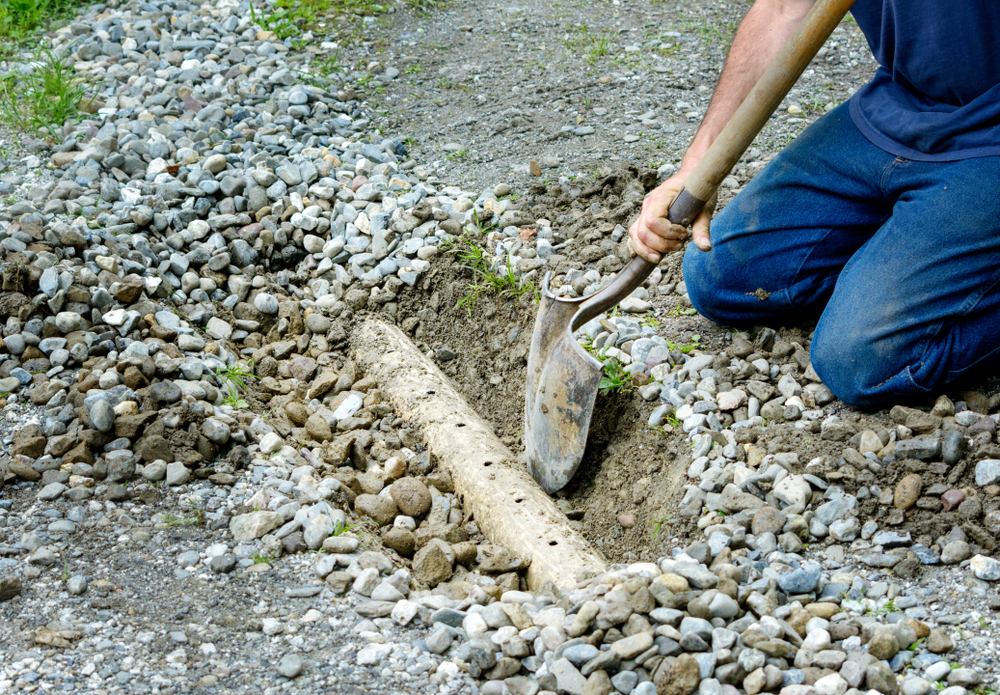
French drains do the heavy lifting in water management, but you can give them a little extra care to ensure they last. First, keep heavy traffic away.
Driving over it can crush the pipe or shift the gravel, compromising its function. If you need to drive near it, install a protective barrier to shield the drain, especially if it’s in a commercial area.
Next, maintain the area around the drain. Regularly clear debris like leaves and dirt that could clog the system or block water flow. A simple garden rake can do the trick to keep it clear enough.
If you notice pooling water or drainage issues, don’t wait; go check for any clogs or damage. Addressing them early prevents bigger headaches down the road.
Keeping your French drain in top form is like caring for a luxury car—treat it right, and it’ll keep running smoothly for years.
Frequently Asked Questions
Short answer: No, it’s a bad idea. French drains are designed to handle water, not traffic. Driving over one can crush the pipe, block the flow, or damage the system.
Driving over it can cause the gravel to shift, the pipe to collapse, or even clog the drainage. That’ll defeat the whole point of having one in the first place – keeping water away from your foundation.
Keep heavy vehicles off it. If you must, consider adding a protective cover or marking the area to avoid accidental damage. Better safe than soggy, right?
Conclusion
So, can you drive over a French drain? The short answer: not a good idea. French drains are designed to keep water flowing, not to withstand heavy pressure.
Driving over them can crush the pipe inside or cause the gravel to shift, messing up the system. If you’re planning to park or drive near one, it’s best to set up a solid plan to protect it.
Bottom line: keep your French drain clear of any vehicles, and you’ll keep your drainage system in tip-top shape. Your lawn—and your driveway—will thank you.