
How Expensive Is a French Drain? Here’s the Breakdown
Thinking about installing a French drain, but not sure what it’ll cost? You’re not alone. Whether you’re dealing with a soggy yard or basement leaks,
This guide breaks down what affects the price and how to budget smart—so you don’t get soaked in hidden costs.
How expensive is a French drain?
French drains cost $10–$100 per foot, depending on location, depth, and labour. Expect $2,000–$6,000 for most installs.
Key Takeaway
- Typical Cost: $2,000–$6,000; up to $10K+ for complex installs
- Cheapest Option: Yard drains, $10–$20 per linear foot
- Most Expensive: Basement drains, $40–$100 per foot
- Biggest Cost Factor: Labour and trench depth
- DIY Savings: Possible, but risky for beginners
- Extras to Watch: Permits, sump pumps, landscaping
- Smart Budget Tip: Compare quotes and source materials yourself
What Is a French Drain and Why You Might Need One
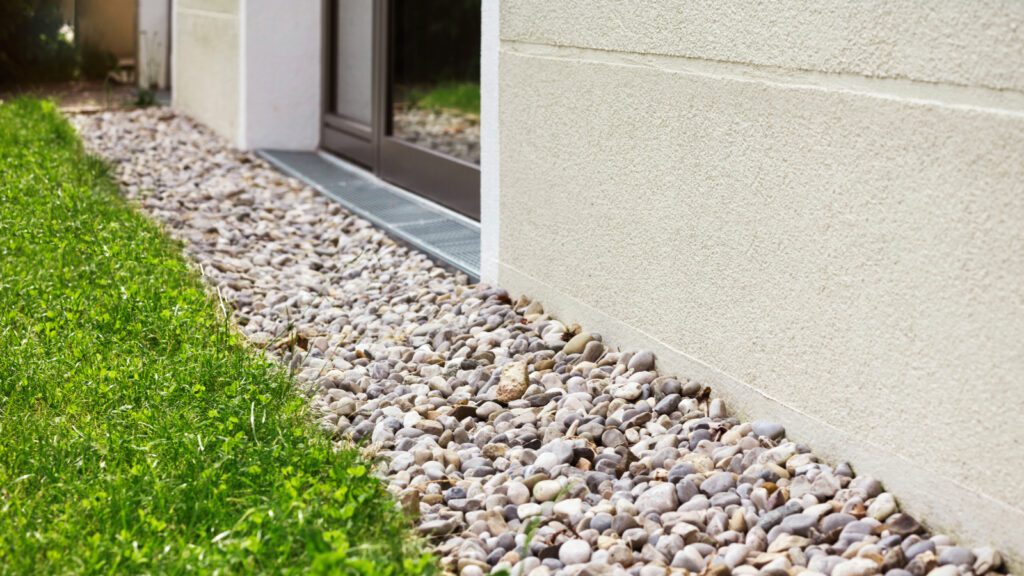
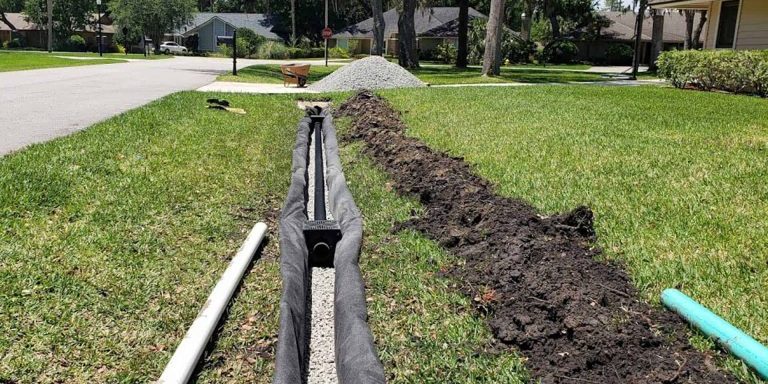
A French drain is your lawn’s secret escape route for water. It’s a trench with gravel and a perforated pipe that sends excess water packing. Simple setup, solid results.
You might need one if your yard turns into a slip-and-slide every time it rains. Or if your basement smells like a gym locker—damp, musty, and not in a good way.
French drains reroute water before it can mess with your foundation, kill your grass, or soak your patio. It’s like a bouncer for your property—keeps the bad stuff out, quietly.
Average Cost of a French Drain Installation
Most French drains fall in the $2,000 to $6,000 range. That said, it depends on where you’re putting it and how tricky your yard is. A basic yard drain? Might be closer to $1,500. A full system around your foundation? You’re looking at $10K or more.
The biggest cost flex is labor. Digging a trench isn’t glamorous, but it’s where the money goes. Add gravel, piping, permits, and maybe a sump pump—and yeah, it stacks up quick.
Want to save some cash? Doing it yourself is possible, especially for a simple yard setup. Just know it’s a sweaty weekend and not exactly beginner-friendly. Renting a trencher helps.
If you’re paying a pro, get a few quotes first. Prices can swing a lot depending on where you live and how deep they need to dig. Before you sign, also ask do you need a permit for a french drain, since local rules can affect costs. Bonus tip? Check what’s included—some charge extra for gravel or backfill, sneaky add-ons that balloon the final bill.
Key Factors That Affect French Drain Costs
1. Length of the Drain: The longer your French drain, the more you’ll spend. Materials and labor are charged by the foot. A small fix might cost a few hundred. A full perimeter job? You’re looking at a few thousand.
2. Depth and Soil Type: If your yard’s playing hard to get—think clay soil or lots of tree roots—digging becomes a workout. Deeper trenches or tough soil = more labor hours and heavier machinery.
3. Location, Location, Location: Installing a drain around the foundation is trickier than one out in the yard. Close to the house usually means higher costs, thanks to tighter spaces and the need for extra care.
4. Materials You Choose: Gravel, piping, filter fabric—it all adds up. Going premium on materials gives you durability, but it bumps the bill. Want the gold-plated version? That’s your flex, but it’ll cost more.
5. Access to the Site: If your backyard’s a maze or the equipment can’t be reached easily, expect the price to climb. Crews might need to hand-dig or bring in smaller tools, which takes more time.
6. DIY vs Pro Job: Going full weekend warrior can save cash upfront. But mess it up, and water damage won’t be so chill. Hiring pros means higher upfront costs but fewer headaches down the line.
7. Drainage Destination: Where the water flows matters. Connecting to a storm drain or dry well? That adds extra piping, maybe permits too. More steps = more money.
Bottom line: French drain costs aren’t one-size-fits-all. Think of it like building a custom suit—it depends on your body (yard), your fabric (materials), and how tailored (complex) you want it. Factoring in professional French drain cleaning can also influence overall expenses, since proper maintenance helps your system last longer.
French Drain Cost by Location Type
Where are you putting the drain? That’s half the price equation. Some spots are just more of a pain (and cost) than others.
- Yard or Lawn: Installing a French drain in an open yard is usually the cheapest. Think $10–$20 per linear foot. Easy access means less labor, less gear, and less chaos.
- Basement: Now we’re talking serious flex. A basement French drain runs $40–$100 per foot. Why? It involves jackhammering concrete, rerouting water, and sometimes adding a sump pump. Not exactly light work.
- Driveway or Sidewalk: You’ll pay $30–$60 per foot here. Concrete needs cutting, and the finish has to look clean. No one wants a botched driveway just to avoid puddles.
- Inside vs Outside: Interior French drains cost more upfront, but they’re better for fighting basement leaks head-on. Exterior ones are cheaper per foot, but trenching along your home? That’s time, mess, and sometimes extra landscaping fees.
- Sloped Lots or Hills: Steep yards might need custom grading, retaining walls, or multiple drain lines. Add a few thousand to your mental budget if your lot’s playing hard to get.
Quick Tip: If you’re unsure, start with the yard. It’s the lowest lift and might solve the issue without wrecking your budget or your weekend plans.
Your drain’s zip code matters. So does the terrain. Before you commit, get a pro to eyeball your setup—your wallet will thank you.
DIY vs. Professional Installation: Which Is More Cost-Effective?
If you’re handy and down to rent a trench digger, a DIY French drain might look like a solid flex. You’ll save big on labor—sometimes cutting the total price in half. Just expect sore muscles, muddy weekends, and maybe a few “why did I start this?” moments.
Hiring a pro costs more upfront, no doubt. But you’re also paying for speed, precision, and zero guesswork. They already know how deep to dig, what slope to follow, and where that water needs to go.
The real cost question? Fixing a DIY job gone sideways. One wrong angle and you’ve just redirected water into your basement instead of out of it. Not exactly the win you were going for.
So if you’ve got basic tools, time, and confidence, DIY could be your budget-friendly cheat code. But if your backyard’s more chaos than canvas, pros are worth the splurge.
Hidden Costs and Extra Add-Ons to Consider
That French drain price tag? It doesn’t always stop at the trench. Hauling away dirt can cost extra, especially if your yard’s more jungle than zen garden.
Need a permit? That’s another hit to the wallet, depending on your city’s red tape levels.
Then there’s the landscaping aftermath. Your lawn might look like it lost a fight, and fixing that means more cash.
If your drain needs a sump pump or connects to a storm drain, add some plumbing fees to the tab.
Pro tip: always ask for the full estimate. The devil’s in the details, and nobody wants a surprise invoice with mystery charges.
How to Save Money on a French Drain Project
Go with Americlean Pumping for Full-service quote in budget. You handle the digging, pros handle the pipe. Huge flex on your wallet.
Compare local contractors like you’re scouting sneakers. Same product, different markup. Get at least three bids.
Buy gravel and piping yourself. Big-box stores usually beat bundled “contractor rates.”
Avoid overkill. You don’t need a moat. Just solve the water issue, not flood-proof Fort Knox.
Timing helps too—book in the off-season. Less demand, better deals. That’s your cheat code.
Is a French Drain Worth the Cost?
If your yard turns into a swamp every time it rains, a French drain isn’t a splurge—it’s a sanity saver. You’re not just paying for a pipe in gravel, you’re buying dry floors, fewer repairs, and less stress.
It’s not cheap, sure. But constant water damage? That bill racks up fast.
Think of it like this: a French drain is your home’s low-key insurance policy. Quiet. Effective. No drama. Just dry socks and peace of mind.
Frequently Asked Questions
1. How much does a French drain cost?
Expect to drop anywhere from $10 to $50 per linear foot. More if your yard’s a mess or you’re digging deep.
2. Is it cheaper to DIY?
Yep, but only if you know what you’re doing. One wrong slope and your drain is just a trench.
3. Does it work?
If installed right, it’s a clutch move. Quietly handles runoff so your foundation isn’t toast.
Conclusion
French drains aren’t exactly cheap, but they’re way cheaper than foundation repairs. Costs vary based on length, depth, and what’s in the way—like roots or concrete.
If your yard floods or your basement is musty, skipping it isn’t a flex. A solid drain setup is your silent MVP.
Just make sure whoever installs it knows what they’re doing. You want dry feet, not sunk costs.