How to Find Reliable Interceptor Pit Maintenance Services Near You
Finding a company that offers professional interceptor pit maintenance is a top priority for any business dealing with grease, oil, or sediment. Whether you run a busy restaurant or an industrial garage, your interceptor pit is the heart of your wastewater management system. When it works, you don’t even think about it. When it fails, it can cause a total shutdown of your operations.
In this guide, we will show you how to identify a reliable grease interceptor maintenance partner. We will cover what a high-quality interceptor pit cleaning service looks like and how to keep your facility running without the headache of sewage backups or heavy city fines.
What Interceptor Pit Maintenance Includes and Why It Matters
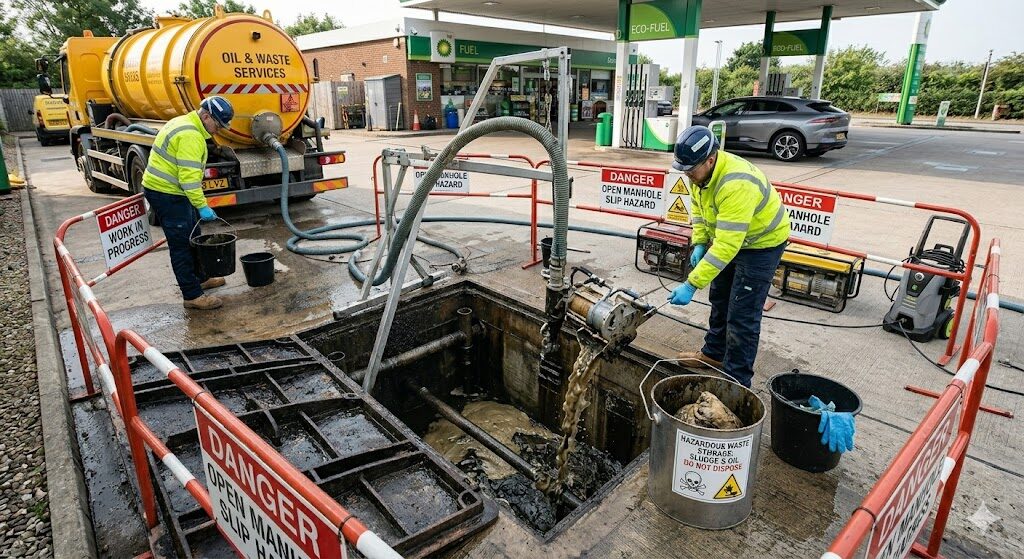
An interceptor pit system acts as a filter for your wastewater. It separates harmful materials like fats, oils, and solids from the water before it enters the city sewer line. Without routine grease interceptor service, these materials build up and harden.
Comprehensive maintenance includes several critical steps:
- Full Pumping: Removing all liquid and solid waste from the tank.
- Scraping and Cleaning: Clearing hardened grease from the walls and baffles.
- Interceptor Pit Inspection and Pumping: Checking for cracks or structural damage in the pit.
- Inlet and Outlet Testing: Ensuring water flows freely to prevent interceptor system blockage.
Regular maintenance is vital for environmental compliance standards. If grease escapes your pit, it can clog municipal lines, leading to expensive legal penalties.
Key Signs You Need Professional Interceptor Pit Service
You shouldn’t wait for a disaster to call a commercial wastewater service provider. Your system will usually give you warning signs when it is reaching capacity.
Slow Drains and Gurgling
If your sinks or floor drains are draining slowly, it usually means the interceptor is full. This creates a bottleneck in your commercial drainage system.
Foul Odors
Old grease and organic matter start to decay after a while. If a “sewer smell” is wafting into your kitchen or work area, it is time for professional interceptor cleaning.
The 50% Rule
Industry experts often discuss the grease interceptor 50% rule. If the accumulated grease and solids take up half the liquid depth of your interceptor, it can no longer filter effectively and needs immediate pumping.
Where to Search for Trusted Maintenance Providers
When you need to find local drainage maintenance experts, a simple web search is a good start, but you need to dig deeper.
- Industry Referrals: Ask other business owners in your area who they use for plumbing maintenance service.
- Local Compliance Lists: Some city water departments maintain lists of certified haulers who meet local wastewater management service regulations.
- Online Reviews: Look for companies with high ratings specifically for “pumping” and “industrial waste.” Avoid general plumbers who do not have a dedicated vacuum truck or pumping and cleaning equipment.
Knowing when is a grease interceptor is required for your specific business type can also help you communicate your needs more clearly to potential providers.
What Qualities Make a Service Provider Reliable
Not all companies that offer interceptor pit maintenance are created equal. A reliable provider should offer more than just a pump truck.
Proper Licensing and Insurance
A reputable company must be licensed to transport and dispose of industrial waste. They should provide you with a manifest showing that the waste was taken to a legal disposal site.
Modern Pumping and Cleaning Equipment
Effective cleaning requires more than a hose. Reliable providers use high-capacity vacuum trucks and hydro-jetting tools to ensure the pit is truly clean, not just emptied of liquid.
Detailed Documentation
In many regions, you must prove you have performed regular maintenance. A great provider will keep a service log for you, helping you stay compliant with local health and environmental inspectors.
Questions to Ask Before Hiring a Maintenance Company
Before signing a service contract, ask these questions to ensure you are getting the best interceptor pit cleaning service:
- Do you provide a waste manifest for every pump-out? This protects you from liability regarding illegal dumping.
- Does your service include cleaning the baffles and the inlet/outlet pipes? Some cheap services only suck out the liquid, leaving the sludge behind.
- Are you available for 24/7 emergency service? Drainage issues don’t always happen during business hours.
- Can you explain why we should use grease and oil interceptor solutions that are right for our specific volume? A good provider will consult with you on system efficiency.
How Regular Service Improves System Performance and Longevity
Consistency is the secret to a long-lasting interceptor pit system. When you stay on top of routine grease interceptor service, you prevent the buildup of corrosive acids. These acids can eat through concrete and metal components over time.
Regular interceptor pit maintenance also keeps your business running at peak efficiency. It prevents the “emergency shutdown” scenarios that cost you customers and revenue. By investing in a professional interceptor cleaning schedule, you are actually saving money by avoiding major industrial waste removal catastrophes.
Frequent Ask Questions:
An interceptor pit is a tank that catches grease, oil, and sand before they enter the sewer. Maintenance is needed because these materials fill the tank and will eventually block your pipes if not removed.
Most businesses require service every 1 to 3 months. The frequency depends on your volume of waste and the size of your tank.
Look for providers that specialize in commercial wastewater service and own their own pumping equipment. Check for licenses and positive reviews from other commercial businesses.
The primary risks are sewage backups into your building, foul odors, and heavy fines from the city for violating wastewater codes.
A full service includes pumping out the waste, scraping the interior walls, inspecting the structure for damage, and cleaning the filter or baffles.
Conclusion
Securing a partner for your interceptor pit maintenance is the best way to ensure your business stays compliant and operational. Professional care goes beyond just removing waste. It is about protecting your industrial waste removal infrastructure and preventing the high costs of system failure. At Americlean Pumping, we pride ourselves on being the local experts you can trust. Our team uses top-tier equipment and follows every safety standard to give you peace of mind. We don’t just pump your pits. We help you manage your entire wastewater system.
Are you ready to schedule an inspection and keep your business running smoothly? Contact Americlean Pumping today for a consultation on your interceptor pit maintenance needs!