
How to Install a Grease Interceptor – What Most Guides Skip
Installing a grease interceptor? It’s a must for any commercial kitchen dealing with heavy grease.
Done right, it protects your plumbing and keeps you compliant.
This guide walks you through the key steps to a proper installation so your system runs smoothly and blockages stay out of sight.
How to install a grease interceptor?
Installing a grease interceptor involves digging a hole, connecting the interceptor to the drainage system, and securing it. It’s best done by a professional to ensure proper installation and compliance.
Key Takeaways
- Grease interceptors are crucial for kitchens and food-related businesses to prevent grease build-up in drains.
- Proper installation involves selecting the right size and ensuring the system is placed correctly for optimal performance.
- Regular maintenance is needed to ensure the grease interceptor continues to function properly.
What Is a Grease Interceptor?
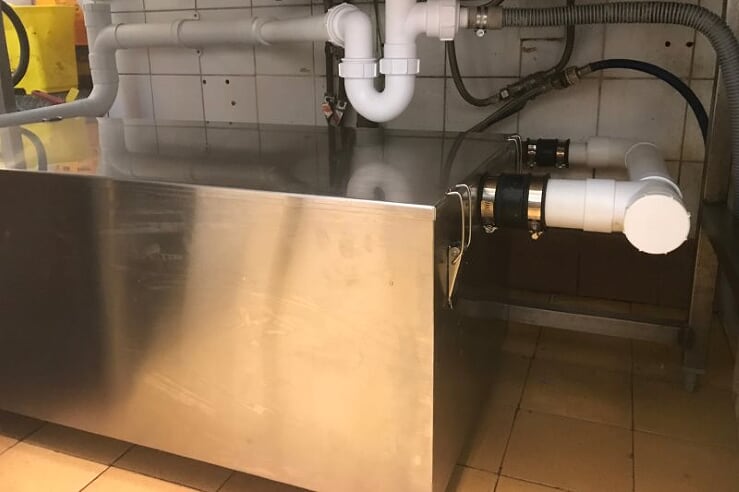
A grease interceptor is a plumbing device that is designed to capture grease, oils, and fats that are typically washed down the drain during food preparation.
The purpose of this system is to prevent these substances from entering the public sewer system, where they can create blockages, cause bad odours, and lead to environmental pollution.
Grease interceptors work by slowing down wastewater to allow grease and oils to rise to the surface, where they are collected and removed.
They are commonly installed in restaurants, cafeterias, and other commercial kitchens, but grease interceptor cleaning in Pembroke Pines is also valuable for any establishment that produces a significant amount of grease.
Step-by-Step Guide to Installing a Grease Interceptor
Now that we understand what a grease interceptor is and why it’s important, let’s dive into the installation process. Follow these steps to ensure a proper and effective installation.
Choose the Right Grease Interceptor
The first step in the installation process is selecting the right grease interceptor for your needs.
These systems come in a variety of sizes and designs, so it’s essential to choose one that matches the volume of grease your establishment generates.
Size Matters
The size of the grease interceptor should be based on the volume of wastewater your kitchen or facility produces.
A small kitchen may need a smaller unit, while a large commercial kitchen will require a larger interceptor.
Type of Grease Interceptor
There are two main types of grease interceptors: passive interceptors (larger units installed outside) and automatic interceptors (smaller, often installed under the sink). Select the type based on the space and maintenance needs.
Check Local Regulations
Before you start the installation, check your local building codes and regulations regarding grease interceptors.
Many municipalities require permits for installation, and certain guidelines must be followed to ensure the system is compliant.
Permits
Some local jurisdictions may require a permit to install a grease interceptor, especially if it involves plumbing work.
Contact your local building department to ensure you are following the proper procedures.
Code Compliance
Different areas may have specific codes regarding the size, installation location, and maintenance schedule of grease interceptors.
Check these regulations to avoid fines or system failures.
Prepare the Installation Site
Preparing the installation site is crucial for a smooth and efficient installation. You’ll need to ensure that the area where the grease interceptor will be installed is accessible and level.
Location
For passive interceptors, which are larger, the unit is typically installed outside or in a maintenance area.
For smaller, under-sink interceptors, ensure there is enough space to accommodate the unit.
Level Surface
Ensure that the surface is level, particularly for passive interceptors, to ensure that the water flows correctly through the system.
Install the Grease Interceptor
Once the site is prepared, you can begin the actual installation. The steps may vary slightly depending on the type of interceptor, but if you’re planning on Grease interceptor cleaning in Miramar later, following the general process correctly ensures everything is set up for smooth maintenance.
For Passive Interceptors:
Excavate the area where the interceptor will be installed, ensuring that it is deep enough to accommodate the unit.
Install the interceptor according to the manufacturer’s guidelines, ensuring it is level and securely placed.
Connect the inlet and outlet pipes to the interceptor, ensuring the pipes are properly sealed to prevent leaks.
Backfill the area and secure the lid to the interceptor.
For Under-Sink Interceptors:
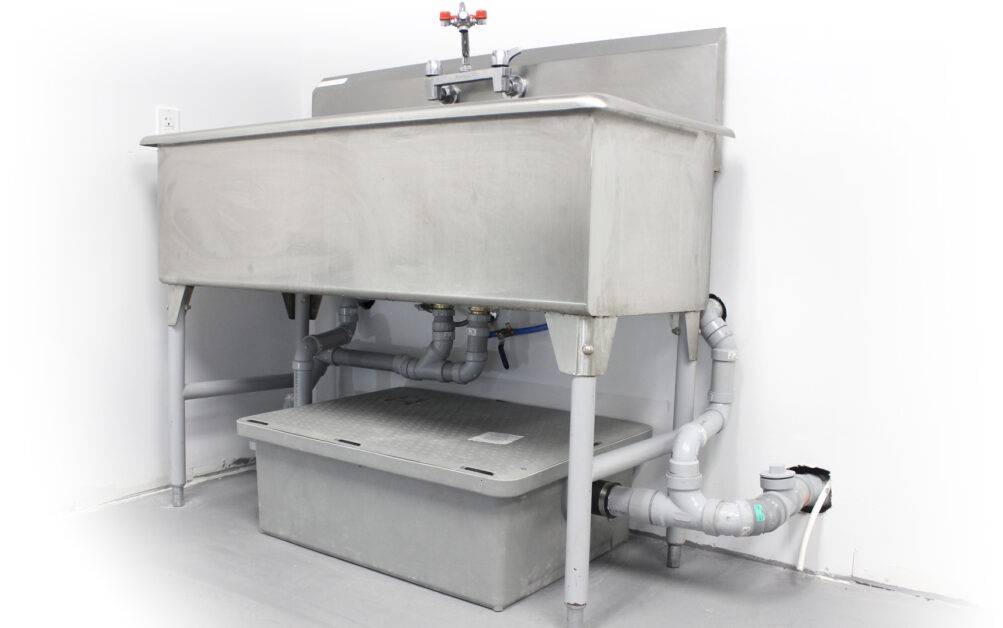
Install the interceptor under the sink, ensuring it is securely attached and that the inlet and outlet pipes are connected to the grease trap.
Use appropriate plumbing fittings to ensure tight seals and prevent any leaks.
Connect the drain lines from the sink to the interceptor, making sure that the system is aligned and there is no obstruction in the pipes.
Test the system by running water through it to check for any leaks or issues.
Test the System
After installation, it is essential to test the grease interceptor to make sure it is functioning correctly. Run water through the system to check for any leaks, blockages, or improper flow.
Check for Leaks
Ensure that all connections are tightly sealed and there are no leaks around the pipes or the unit itself.
Check Flow
Verify that the water is flowing properly through the system and that the grease is being properly separated.
After installation, schedule Pembroke Pines interceptor cleaning to ensure proper function.
Frequently Asked Questions
1. How often do I need to clean my grease interceptor?
Cleaning your grease interceptor typically needs to be done every 3-6 months, depending on the size of the unit and the volume of grease your kitchen produces.
2. Can I install a grease interceptor myself?
While it’s possible for experienced DIYers to install a grease interceptor, it’s generally recommended to hire a professional plumber to ensure the system is installed correctly and up to code.
3. What happens if I don’t maintain my grease interceptor?
Failure to maintain your grease interceptor can result in blockages, foul odours, and potential plumbing issues. It can also lead to fines from local authorities if the system fails to meet regulations.
Conclusion
Installing a grease interceptor is a vital part of maintaining a clean and functional kitchen, especially in commercial settings.
By following the steps outlined in this guide and performing regular maintenance, you can ensure that your system continues to operate effectively and efficiently.
Always consult with a professional if you’re unsure about installation or maintenance, as proper care can help prevent costly repairs and ensure compliance with local regulations.