
How to Calculate Grease Interceptor Capacity – Smart Way
Running a busy kitchen or food facility? Choosing the right grease interceptor size is crucial. Too small, and you risk clogs and violations. Too big, and you overspend.
This guide shows you how to calculate the perfect capacity for your setup—so you stay compliant and keep your plumbing flowing smoothly.
How to calculate grease interceptor capacity?
To calculate grease interceptor capacity, consider the volume of grease generated, the size of your establishment, and local regulations. A professional can help you determine the right size.
Key Takeaways
- The capacity of a grease interceptor depends on the flow rate of wastewater and the volume of FOG generated.
- Proper sizing is crucial for preventing blockages and ensuring compliance with local regulations.
- Regular maintenance is necessary to keep the grease interceptor functioning optimally.
What Is a Grease Interceptor?
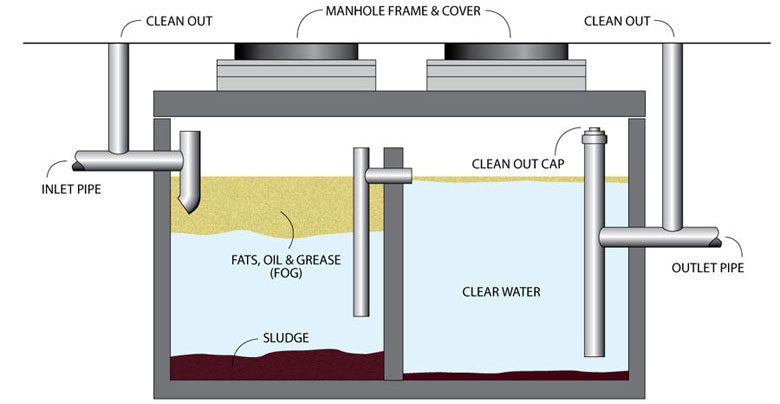
A grease interceptor is a plumbing device designed to capture and separate fats, oils, and grease (FOG) from wastewater. Regular grease interceptor maintenance in Kendall is essential to ensure the system functions efficiently and complies with local regulations.
It typically works by allowing the wastewater to enter the interceptor where the FOG rises to the top, leaving cleaner water to flow out.
Grease interceptors are commonly used in foodservice establishments, such as restaurants, cafeterias, and kitchens, to prevent the buildup of FOG in sewer lines. Regular grease interceptor maintenance in Key Biscayne is essential to ensure these systems function effectively and remain compliant with local regulations.
The interceptor typically includes a tank or chamber, which is designed to hold a certain volume of grease before it needs to be emptied.
The size of the interceptor is critical to ensuring its effectiveness.
Why Is Sizing the Grease Interceptor Important?
Properly sizing your grease interceptor is essential to prevent it from becoming overwhelmed, which can lead to clogged pipes, foul odours, and regulatory fines.
If the interceptor is too small, it may not be able to capture enough FOG, leading to blockages in the plumbing system.
On the other hand, an oversized interceptor can be inefficient and unnecessarily costly.
The right capacity ensures that FOG is effectively separated from the wastewater, reducing the risk of damage to the plumbing system and ensuring that your establishment complies with local environmental regulations.
Factors to Consider When Sizing a Grease Interceptor
Several factors contribute to determining the correct size of a grease interceptor.
These include the flow rate of wastewater, the type of food establishment, and the volume of FOG generated. Let’s explore these factors in more detail:
1. Wastewater Flow Rate
The flow rate of wastewater is a primary factor in determining the size of the grease interceptor.
This flow rate refers to the amount of wastewater being discharged from your kitchen or food preparation area into the interceptor.
It is usually measured in gallons per minute (GPM) and is determined by the number of fixtures and equipment that drain into the system.
Calculation: For example, a sink that drains at 2 GPM and a dishwasher that discharges at 5 GPM would contribute a combined flow rate of 7 GPM.
2. Type of Food Establishment
The type of food service or kitchen operation also plays a significant role in sizing the grease interceptor.
A fast food restaurant that prepares fried foods will generate more FOG than a small café or sandwich shop.
The volume of FOG generated depends on the nature of the food preparation and cooking methods.
Considerations: High-volume kitchens, such as those in restaurants or large catering services, require larger grease interceptors to handle the increased load of FOG.
3. Amount of Fats, Oils, and Grease (FOG) Generated
The amount of FOG produced by your establishment directly impacts the size of the grease interceptor.
FOG is typically generated from cooking oils, butter, cream, fats from meats, and other food preparation processes.
The more FOG your establishment generates, the larger the interceptor will need to be to handle the waste.
Example: A kitchen that fries food or uses large quantities of oils will require a much larger grease interceptor compared to a bakery or salad bar with minimal FOG output.
How to Calculate the Size of a Grease Interceptor
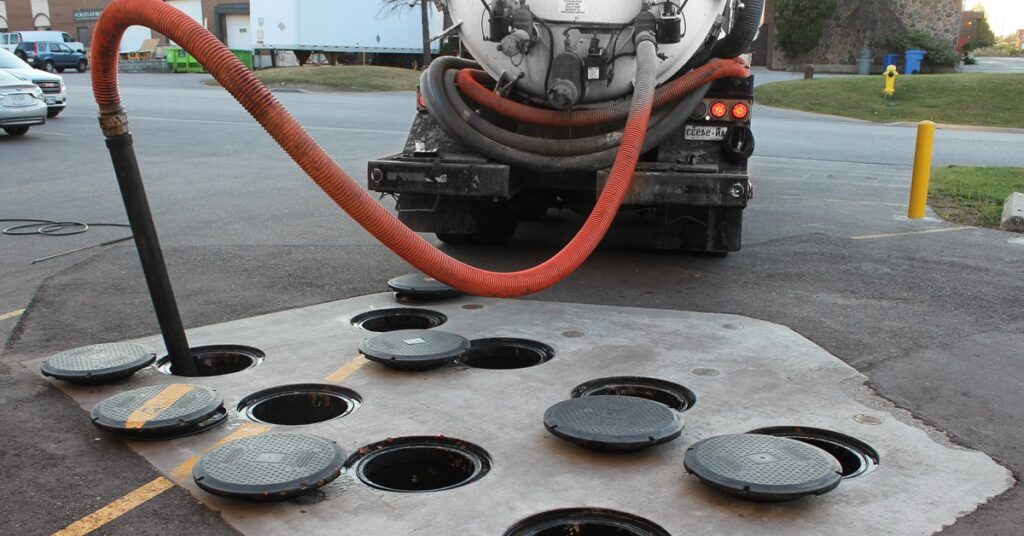
To calculate the correct size of your grease interceptor, you will need to take into account the wastewater flow rate and the FOG generated.
Local authorities or health departments may provide guidelines and formulas for sizing the interceptor. Here’s a general step-by-step guide to calculating the size:
Step 1: Determine the Wastewater Flow Rate
First, calculate the wastewater flow rate by adding up the flow rates of all plumbing fixtures connected to the interceptor.
This includes sinks, dishwashers, and other equipment that discharge water into the system.
Flow rates are typically provided by the manufacturer or can be estimated based on the fixture type.
Formula: Total flow rate = Flow rate of each fixture (GPM)
For example, if you have a sink with a flow rate of 2 GPM, a dishwasher with 5 GPM, and a pre-rinse station with 3 GPM, your total flow rate is 10 GPM.
Step 2: Calculate the Required Interceptor Capacity
The required grease interceptor capacity is typically based on the wastewater flow rate and the volume of FOG generated.
Local codes may provide specific guidelines on the required capacity based on flow rates.
Example Formula: Required capacity (in gallons) = Wastewater flow rate (GPM) x Size factor (based on food establishment type)
In some cases, local regulations will have a specific formula to calculate the required capacity based on these factors.
It’s always recommended to check with local authorities to ensure compliance.
Step 3: Consider Local Regulations
Every municipality has its own set of regulations regarding grease interceptors.
Some areas may require the use of specific materials, while others may mandate certain capacities based on the size of your establishment or the type of food served.
Be sure to check with your local government or health department to ensure your grease interceptor is properly sized and compliant with local rules.
Frequently Asked Questions
1. How often should I pump my grease interceptor?
The frequency of pumping depends on the size of the interceptor and the volume of waste generated. Generally, a grease interceptor should be pumped every 3 to 6 months.
2. Can I calculate the size of the grease interceptor myself?
While you can perform a rough calculation based on the flow rate and FOG volume, it’s best to consult with a professional to ensure the correct size and compliance with local regulations.
3. What happens if my grease interceptor is too small?
If your grease interceptor is too small, it may overflow, causing plumbing issues, environmental pollution, and potential fines for non-compliance with local regulations.
Conclusion
Calculating the proper size for your grease interceptor is essential to ensure your plumbing system functions effectively and stays compliant with local regulations.
By considering factors like wastewater flow rate, FOG production, and local guidelines, you can determine the ideal capacity for your business. For proper maintenance and guidance, consult grease interceptor pumping experts to ensure your system runs efficiently and stays compliant.
Regular maintenance and servicing will also help your grease interceptor perform optimally, keeping your kitchen and plumbing system running smoothly for years to come.
If in doubt, always consult a professional to ensure the correct size and installation.