Why Your Business Needs Regular Commercial Pumping Services
Running a business comes with a long list of responsibilities. Between managing staff, serving customers, and keeping finances in check, it is easy to overlook the systems quietly working beneath your property. Your drainage infrastructure, grease traps, lift stations, and storm drains are doing critical work every single day. When they fail, everything else stops too. That is exactly why regular commercial pumping services are not just a maintenance option; they are an operational necessity.
What Commercial Pumping Services Actually Cover
Many business owners assume that commercial pumping is limited to septic systems. In reality, commercial pumping and drainage maintenance covers a broad range of essential services. These include grease trap cleaning, lift station pumping, storm drain cleaning, catch basin maintenance, and French drain servicing. Each of these components plays a direct role in keeping wastewater, stormwater, and organic waste moving safely away from your building and out of the municipal system.
Businesses in food service, retail, hospitality, and industrial sectors all depend on these systems. The difference between a business that runs smoothly and one that faces costly shutdowns often comes down to how seriously they take scheduled drainage maintenance.
The Hidden Cost of Skipping Routine Maintenance
Deferred maintenance is one of the most expensive decisions a business owner can make. When agrease trap overflows or a lift station fails, the damage goes beyond the repair bill. You are looking at potential health code violations, regulatory fines, customer-facing disruptions, and in severe cases, mandatory closure. Emergency pumping services also cost significantly more than a routine visit, both in direct fees and in lost operating time.
- Grease buildup in commercial kitchens can cause drain blockages within weeks without a proper cleaning schedule. A clogged grease trap sends foul odors into your dining or prep areas and can trigger a health inspection failure.
- Blocked storm drains can lead to flooding on your property during heavy rain events, damaging inventory, equipment, and even your building’s structural foundation.
- Lift station failures cause raw sewage backups that can force an immediate shutdown and expose your business to serious environmental liability.
- Neglected catch basins collect debris, sediment, and pollutants that eventually overflow, creating slip hazards in parking areas and contaminating nearby waterways.
Regulatory Compliance Is Not Optional
Local municipalities and environmental agencies have strict rules about how commercial properties must manage their waste and drainage systems. In Florida, this is especially true for businesses located near coastal areas, wetlands, or flood zones. Failing to maintain your grease interceptors, storm drainage infrastructure, or sewage lift stations can result in formal notices of violation, fines, and required corrective action orders.
Routine commercial pumping services help ensure your business stays compliant with local codes and environmental standards. A professional service provider will document each visit, which gives you a paper trail of maintenance activity — something inspectors look for during audits. Staying ahead of compliance requirements protects your license, your reputation, and your bottom line.
Protecting Your Property Value and Infrastructure
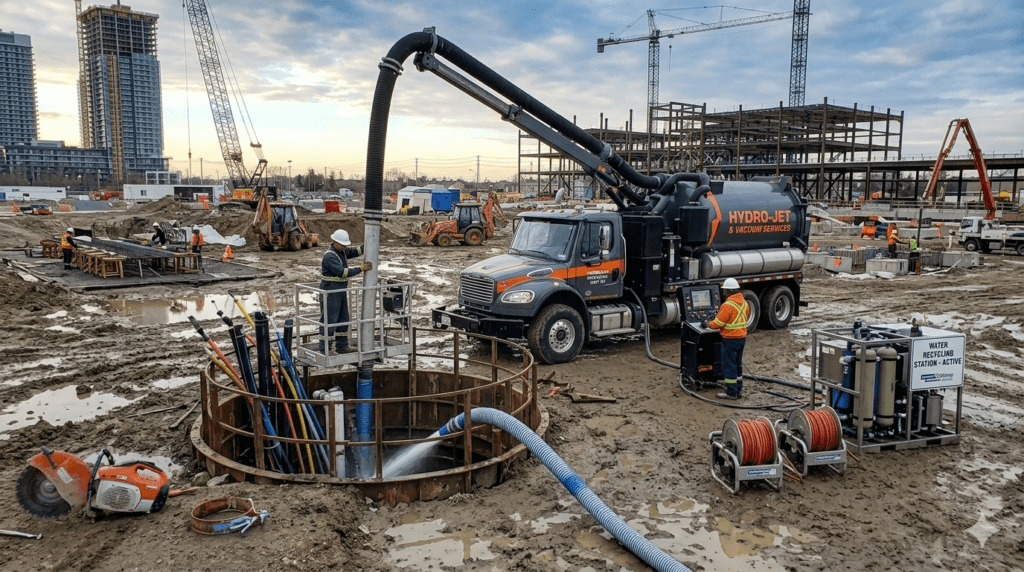
Your commercial property is one of your most significant assets. The drainage and wastewater systems beneath it directly affect its long-term value. Hydrojetting services, vacuum truck pumping, and preventive drain cleaning extend the life of your pipes, traps, and collection systems by removing corrosive buildup before it causes structural damage.
Grease, sludge, and mineral deposits gradually deteriorate pipe walls when left untreated. Over years, this leads to cracked lines, root intrusion, and full system collapses that require expensive excavation and replacement. A consistent commercial maintenance schedule addresses these threats early, keeping repair costs predictable and manageable rather than catastrophic.
Industry-Specific Reasons to Stay on Schedule
Different businesses produce different types of waste, and each comes with its own maintenance demands. Restaurants and food processing facilities generate high volumes of fats, oils, and grease that accumulate rapidly in grease traps and interceptors. Retail and office complexes depend on functional storm drains and parking lot catch basins to manage surface runoff safely. Industrial and warehouse operations often use lift stations that require frequent inspection and pumping to prevent sewage overflow.
Regardless of your industry, the principle is the same: proactive pumping and drainage maintenance prevents the failures that cost you the most. A professional team that understands the specific demands of your business type will develop a service schedule that fits your operational footprint.
What to Look for in a Commercial Pumping Partner
Not all service providers are created equal. When choosing a company for your commercial drainage and pumping needs, look for a team that brings licensed technicians, proper equipment such as vacuum trucks and hydro jetters, and a clear reporting process. Transparency matters. You should know exactly what was serviced, what was found, and what the next recommended service interval looks like.
Experience with a wide range of services, from grease trap maintenance to storm drain cleaning and lift station service, means your provider can handle whatever your property demands without sending you to a different vendor for each issue. This consolidated approach saves time and ensures consistent quality across your entire drainage system.
How Often Should Your Business Schedule Pumping Services?
Frequency depends on the type of system and the volume of use. High-volume commercial kitchens may need grease trap cleaning every one to three months. Storm drains and catch basins in Florida typically require servicing at least twice a year, with additional cleanings before and after hurricane season. Lift stations are generally inspected monthly and pumped on a schedule determined by usage and capacity.
A qualified commercial pumping company will assess your systems, review your operational output, and recommend a maintenance plan built around your actual needs rather than a generic timetable. This tailored approach is what separates quality service from a simple checkbox operation.
Conclusion
The smartest business owners do not wait until a system fails to think about maintenance. Regular commercial pumping services protect your people, your property, your compliance standing, and your profitability. Every dollar invested in routine drainage maintenance saves several dollars in emergency repairs, regulatory fines, and operational downtime. Your business deserves infrastructure that works reliably, day in and day out. The best time to schedule your next commercial pumping service was months ago. The second-best time is right now.Ready to Protect Your Business? Do not let a neglected drain or grease trap put your operations at risk. Contact Americlean Pumping today to schedule your commercial pumping service and get a maintenance plan tailored to your property.