
When Is a Grease Interceptor Required? Avoid Legal Trouble
Running a commercial kitchen? A grease interceptor might not be optional. It keeps fats, oils, and food waste out of your plumbing and helps you stay compliant with local regulations.
This guide covers when you need one, why it matters, and how it can save your kitchen from costly issues.
When is a grease interceptor required?
A grease interceptor is required when a food establishment disposes of grease-heavy wastewater. It prevents grease from entering the sewage system, avoiding clogs and blockages.
Once a system is installed, regular grease interceptor cleaning in Fort Lauderdale is essential for compliance and performance.
Key Takeaways
- Grease interceptors are required in commercial kitchens that discharge large amounts of grease and oil.
- Local regulations often determine whether or not a grease interceptor is necessary.
- Proper maintenance of grease interceptors is crucial to avoid blockages, foul odors, and environmental harm.
What Is a Grease Interceptor and Why Is It Needed?
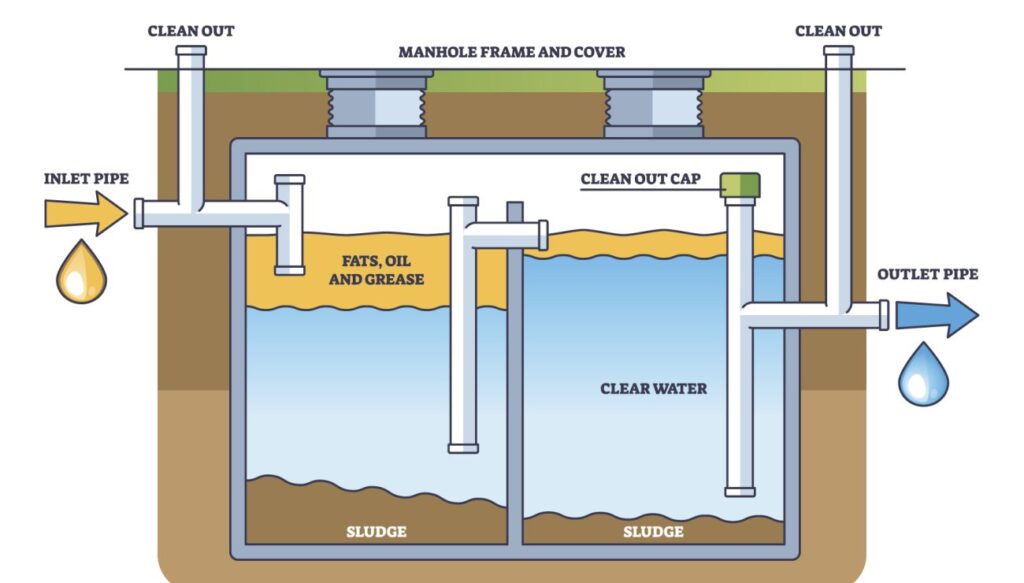
A grease interceptor (also known as a grease trap or grease separator) is a device designed to capture and separate fats, oils, and grease (FOG) from wastewater.
It works by slowing down the flow of wastewater, allowing grease and oils to rise to the surface while the rest of the water flows through.
The captured grease can then be removed regularly to prevent blockages and contamination in the sewage system.
In commercial kitchens, grease is produced during cooking processes, especially when frying or grilling.
If not properly managed, it can cause significant issues in the plumbing system, including clogs and backup, and lead to costly repairs.
When Is a Grease Interceptor Required?
A grease interceptor is typically required in commercial settings where large amounts of grease and oils are produced, such as in restaurants, cafeterias, and food processing facilities. Regular professional grease trap maintenance ensures these systems operate efficiently and remain compliant with health and safety regulations.
However, the specific requirements for installation can vary based on local regulations, the size of the business, and the volume of grease produced.
Below are some common scenarios when a grease interceptor is required:
High Volume Food Preparation Establishments
Commercial kitchens that prepare large quantities of food, especially fried or greasy foods, are usually required to install grease interceptors. These establishments include:
- Restaurants
- Cafeterias
- Fast food outlets
- Catering businesses
- Food production and processing plants
These businesses discharge significant amounts of grease, and the use of a grease interceptor helps prevent clogs and ensures the plumbing system operates effectively.
Local Plumbing Codes and Regulations
Local health and plumbing codes often dictate when a grease interceptor is required.
In some cities or counties, all foodservice establishments are required to have a grease interceptor, while in others, the requirement may depend on the size of the kitchen or the volume of grease discharged.
For example, in areas like Los Angeles or San Francisco, regulations may require all restaurants to install grease interceptors, regardless of their size.
Smaller establishments or those that do not produce as much grease may be exempt or may be allowed to use smaller units. It’s important to check with local authorities to ensure compliance.
Wastewater Systems and Environmental Protection
Some municipalities have regulations aimed at protecting the local wastewater treatment facilities and the environment.
In areas where grease buildup in the plumbing can affect the treatment process, a grease interceptor may be required to ensure that FOG does not enter the public sewage system.
By capturing grease before it enters the sewer system, grease interceptors help reduce the risk of clogs in the pipes and lower the chances of contamination or blockages at the treatment plant.
When Dealing with Grease Blockages or Odors
If your establishment has experienced plumbing issues related to grease blockages or foul odors, installing a grease interceptor might be necessary.
After inspections by local health or plumbing authorities, you’re often required to clean grease trap in kitchen settings. Staying on top of this maintenance helps prevent issues and avoids costly fines.
Benefits of Installing a Grease Interceptor

Installing a grease interceptor offers several key benefits, both from a practical and environmental standpoint.
Here’s why grease interceptors are essential for businesses that deal with significant amounts of grease and oil.
Prevention of Plumbing Clogs
Grease can easily build up in pipes and cause clogs, leading to expensive plumbing repairs and downtime.
A grease interceptor helps prevent this by trapping the grease before it enters the plumbing system, ensuring that the pipes stay clear and the water drains properly.
Compliance with Local Regulations
Many municipalities require businesses to install grease interceptors to comply with local plumbing and health codes.
Failure to comply can result in fines, penalties, or even the closure of the business. By installing a grease interceptor, businesses can avoid legal and regulatory issues and operate smoothly.
Environmental Protection
Grease that enters the sewer system can cause serious environmental harm.
It can clog wastewater treatment plants, pollute rivers and streams, and create hazardous conditions for aquatic life.
A grease interceptor prevents this by collecting and safely disposing of grease before it can do any damage to the environment.
Improved Health and Safety
By preventing grease from entering the plumbing, a grease interceptor helps to keep the kitchen and the premises cleaner.
This reduces the risk of slips, falls, and other accidents caused by grease buildup on the floor, creating a safer environment for employees and customers.
Frequently Asked Questions
1. When is a grease interceptor required?
A grease interceptor is required in commercial kitchens that discharge significant amounts of grease, such as restaurants, cafeterias, and food processing plants. Local regulations often dictate the requirements.
2. How often should a grease interceptor be cleaned?
The cleaning frequency depends on the size of the system and the amount of grease produced. Typically, a grease interceptor should be cleaned every 1 to 3 months.
3. What happens if a grease interceptor is not installed?
Failing to install a grease interceptor can lead to plumbing issues, fines for non-compliance with regulations, and environmental damage due to grease buildup in the sewage system.
Conclusion
A grease interceptor is an essential component for any commercial kitchen that deals with large amounts of grease and oil.
By preventing grease from entering the plumbing system, it helps reduce the risk of clogs, complies with local regulations, protects the environment, and ensures a cleaner and safer kitchen environment.
Regular maintenance and proper installation are key to ensuring your grease interceptor functions properly for years to come.
Whether you’re opening a new foodservice business or upgrading your existing system, make sure you understand when a grease interceptor is required and take the necessary steps to keep your kitchen running smoothly.