
Where Does French Drain Water Go? Find Out Before It Floods
Wondering where all that water ends up after it flows into a French drain? You’re not alone. Whether you’re dealing with a soggy yard or a flooded basement, knowing where the water goes is key.
Let’s break it down and help you plan the best drainage setup for your space.
Where does French drain water go?
French drain water flows to a discharge point like a street gutter, dry well, storm drain, or downhill area—anywhere water can safely escape.
Key Takeaway
- French drains redirect water through a gravel trench and a perforated pipe
- Water flows to a discharge point like a storm drain, dry well, or downhill slope
- Gravity drives the system—no slope means you may need a sump pump
- Soil type and local rules matter when planning where the water exits
- A blocked or poorly designed drain causes backups and flooding
- Dry wells, daylighting, or rain gardens are smart discharge solutions
- A professional can optimise placement based on grade, code, and soil
What Is a French Drain and How Does It Work?
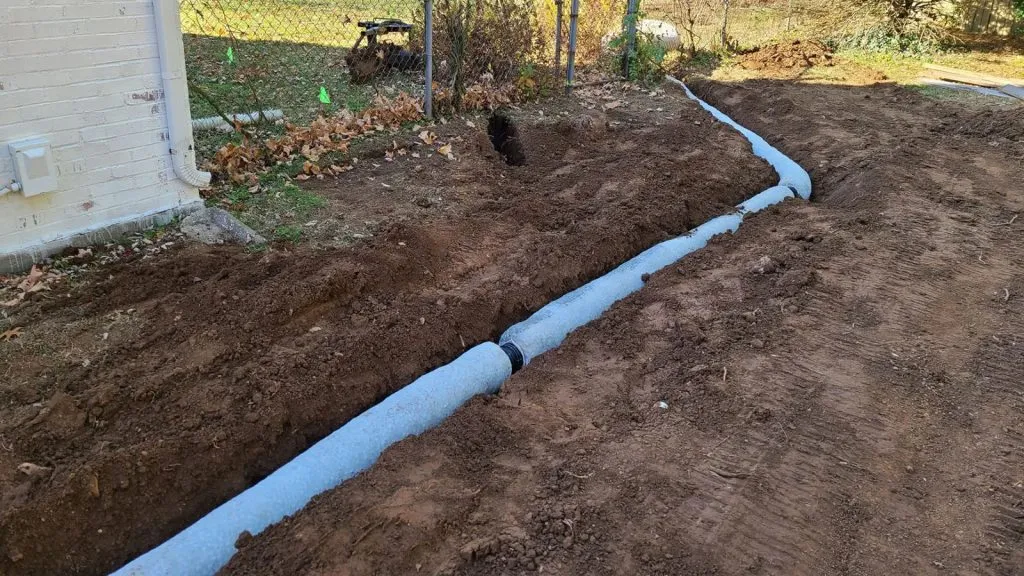
A French drain is a trench with gravel and a perforated pipe tucked inside. Its job? Grab water and send it somewhere that won’t mess with your yard or home.
Water flows into the gravel, slips through tiny holes in the pipe, and gets carried away—like a VIP exit for runoff. No puddles, no stress.
Think of it as your lawn’s secret plumbing. It keeps your space dry without making a big scene. Just solid, lowkey problem-solving.
Where Does the Water Actually Go?
Most setups route the water downhill, away from your house, into a street gutter, dry well, or drainage ditch. If you’re in the burbs, that probably means a storm drain or the edge of your property.
Got a backyard that floods like it’s auditioning for Waterworld? Some folks install a dry well—a gravel-filled pit where water chills underground and slowly seeps into the soil.
The key? Gravity. Your French drain needs a slight slope so water doesn’t just sit there, sad and stagnant. No pump, no drama.
Live somewhere flat? You might need a sump pump to give your water an assist. Not glamorous, but it gets the job done.
The point is, French drains aren’t magic. But if you build them right, they’re your cheat code for keeping water where it belongs—out of your life.
Understanding water flow is important, but regular full-service French drain drainage service is still needed to keep systems working properly.
Factors That Determine French Drain Water Exit Points
Where does that water end up? It depends on a few real-world things, not pipe dreams.
- Slope’s the boss: If your yard’s got a natural drop, gravity takes over and guides the water downhill—usually toward a street, ditch, or storm drain.
- No slope? No sweat: You’ll likely need a dry well or sump pump to push the water where it needs to go.
- Soil type matters: Clay-heavy soil holds water like a grudge, so drains need a clear exit plan. Sandy soil? It’s more chill—water soaks in easier.
- Local rules apply: Some areas don’t let you dump into public systems, so check the codes before breaking ground.
Bottom line: your exit point needs to be lower than the start and far from your foundation. Anything less and you’re just moving the puddle, not solving it.
What Happens If the Water Has Nowhere to Go?
If your French drain’s got nowhere to send the water, it’s just a fancy moat. And that backup? Not cute. You’ll end up with soggy soil, flooding, or worse—damage to your foundation.
So what’s the move? You need a proper exit plan. That could mean a dry well, storm drain hookup, or even daylighting the pipe on a slope.
No slope? A sump pump might be your cheat code. The goal’s simple: keep water moving, not chilling underground like it owns the place.
Best Practices for Managing French Drain Discharge
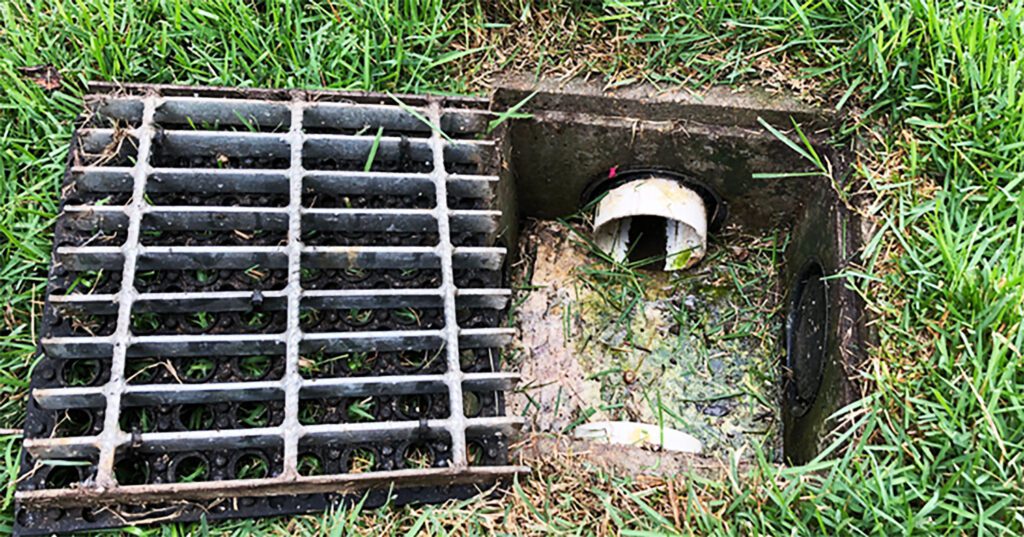
Don’t just let that water run wild. Direct it somewhere smart. You’ve got options—like a dry well, rain garden, or swale. Just keep it away from your foundation, your neighbour’s yard, and your grill setup.
If you’re hooking it into the street drain, check your local rules first. Some cities don’t mess around. And whatever you do, slope that pipe right. Gravity’s doing the heavy lifting here.
Last tip? Keep the end clear. If it clogs, the whole system’s useless. Think of it like sneakers without laces—looks fine, works like trash.
Should You Consult a Professional for Drain Placement?
If you’re guessing where your French drain should end… don’t. One wrong move and you’re just shifting the swamp from one spot to another. A pro can clock things like slope, soil type, and zoning rules without breaking a sweat.
Sure, you could wing it with a shovel and a YouTube video, but that’s how you end up flooding your neighbour’s yard.
Not a good look. When in doubt, call someone who’s done this more times than you’ve ordered takeout this week.
Frequently Asked Questions
1. Where does the water from a French drain go?
It flows into a safe discharge point—usually the street, a storm drain, a dry well, or a lower part of your yard. Think: out of sight, out of puddle.
2. Can it handle heavy rain?
If it’s built right, yep. The key is slope and pipe size. No slope? It’s just a soggy trench.
3. What if the drain clogs?
Then it’s game over for your dry lawn. You’ll need a quick cleanout or pro help to clear the blockage.
Conclusion
French drains aren’t magic, but they’re close. Once water flows in, it’s guided away to a spot where it can safely drain—think street gutters, dry wells, or downhill yards.
If your setup’s smart, your soggy mess becomes a non-issue. Not sure where yours should go? Talk to a pro or scope your slope. Either way, no more playing lifeguard for your lawn.