
How to Size a Grease Interceptor – Experts Reveal Secrets
In a commercial kitchen, the right grease interceptor size makes all the difference. Too small, and you risk backups.
Too large, and you waste money.
This guide walks you through how to size a grease interceptor correctly, covering key factors and why proper installation is a must for smooth kitchen operations. Additionally, understanding grease interceptor maintenance in Fort Lauderdale is crucial, as ongoing upkeep ensures long-term efficiency and compliance with local regulations.
How to size a grease interceptor?
To size a grease interceptor, calculate the flow rate of water and the amount of grease produced. Local regulations and the type of business will also impact the required size.
Key Takeaways
- Proper sizing of a grease interceptor is crucial for preventing blockages and ensuring proper waste management.
- The size of the grease interceptor is based on the flow rate of wastewater and the size of the kitchen or food establishment.
- Accurate sizing can save on operational costs and prevent issues with local regulations.
What is a Grease Interceptor?
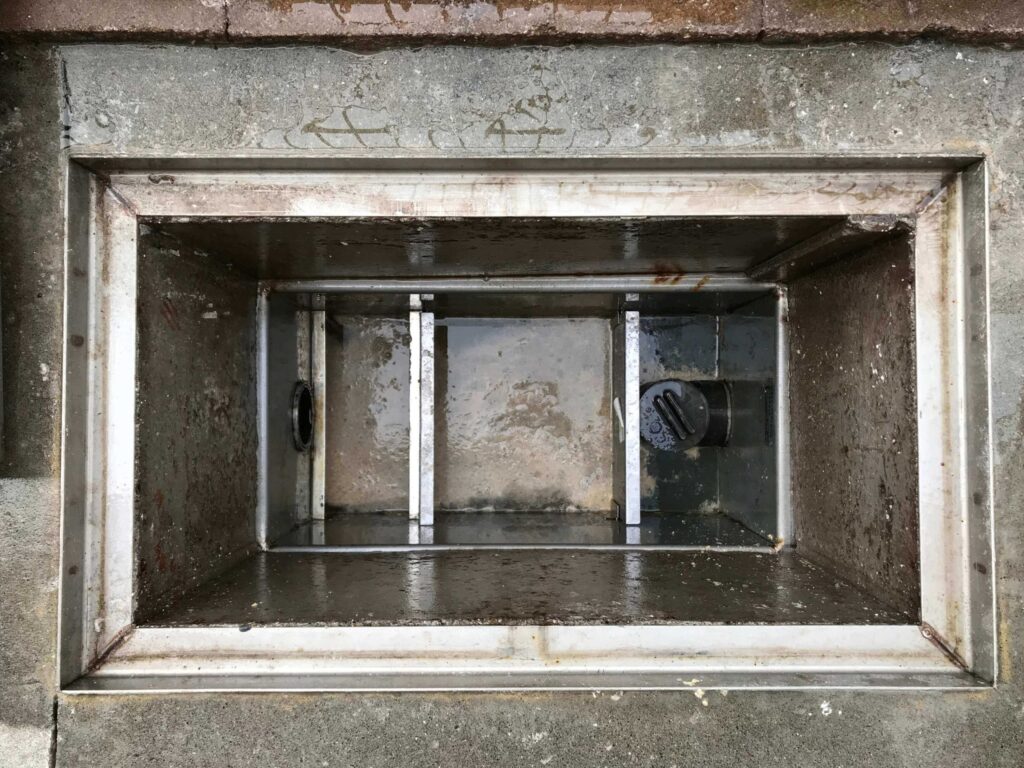
A grease interceptor, also known as a grease trap, is a plumbing device used to intercept and separate fats, oils, and grease (FOG) from wastewater before it enters the public sewer system.
These devices are crucial in food service operations, such as restaurants, cafeterias, and other commercial kitchens, where large quantities of grease are generated from cooking processes.
A grease interceptor works by using gravity to separate the lighter oils and grease from wastewater.
The grease rises to the top of the interceptor, where it can be skimmed off, while the wastewater flows through the device and into the sewer system.
Why Is Sizing Important?
Correctly sizing a grease interceptor ensures that it can effectively separate grease from wastewater without becoming overloaded.
If the interceptor is too small, it will not be able to handle the volume of waste generated, leading to clogs, backups, and potential fines from local authorities.
On the other hand, an oversized grease interceptor can result in higher upfront costs and ongoing maintenance expenses.
Steps to Size a Grease Interceptor
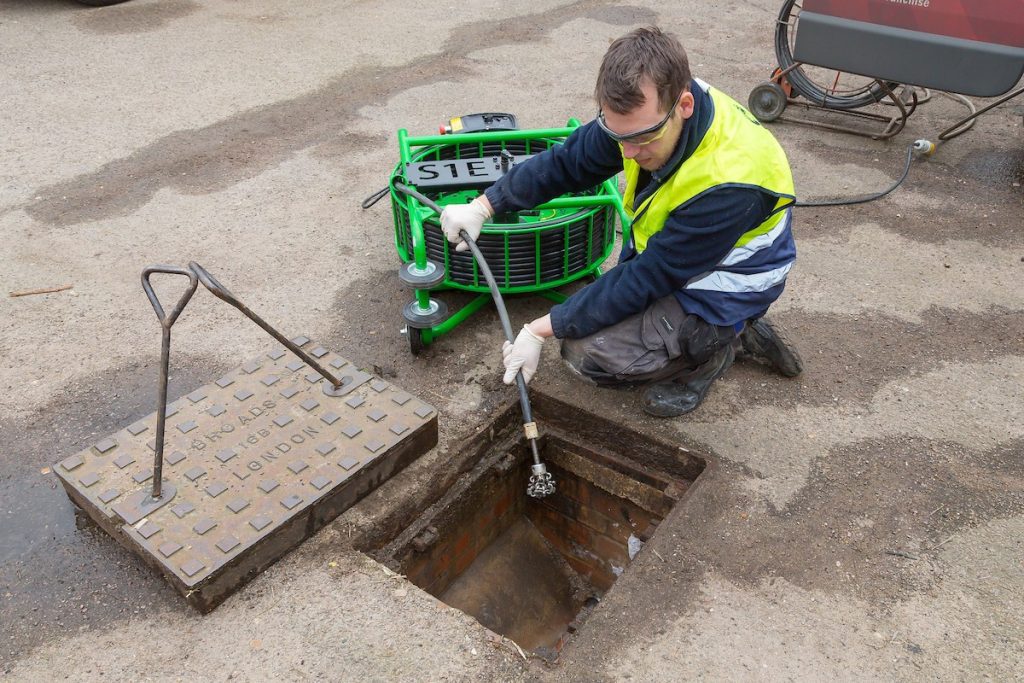
Sizing a grease interceptor requires consideration of several factors, including the flow rate of wastewater, the number of fixtures in the kitchen, and the establishment’s specific needs.
Here’s a breakdown of the steps to properly size a grease interceptor.
Step 1: Determine the Flow Rate
The first step in sizing a grease interceptor is calculating the flow rate of wastewater.
The flow rate is typically measured in gallons per minute (GPM), which refers to the amount of water that flows through the interceptor in one minute. To determine the flow rate, consider the following:
Number of Fixtures: Count the number of sinks, dishwashers, floor drains, and other fixtures in the kitchen that discharge wastewater into the grease interceptor.
Fixture Ratings: Each fixture has a rating based on its flow rate. For example, a sink may have a flow rate of 1.5 GPM, while a commercial dishwasher may have a flow rate of 2.0 GPM.
Total Flow Rate: Add the flow rates of all fixtures in the kitchen to determine the total flow rate that the grease interceptor needs to handle.
Step 2: Calculate the Size of the Grease Interceptor
Once you have determined the total flow rate, you can calculate the size of the grease interceptor required.
The size is typically expressed in terms of gallons, and the formula to calculate the size is as follows:
Size of Grease Interceptor (in gallons) = Total Flow Rate (in GPM) x 1.5 to 2.0
This range accounts for the necessary detention time, which is the amount of time wastewater stays in the interceptor to allow grease to separate from the water.
The higher the flow rate, the larger the grease interceptor needs to be.
For example:
If your kitchen has a total flow rate of 20 GPM, you will need a grease interceptor with a size range of 30 to 40 gallons.
Step 3: Consider the Type of Facility
Different types of food service establishments require different sizes of grease interceptors.
A fast-food restaurant, for instance, will produce more grease and waste than a small café or bakery. When sizing your grease interceptor, keep in mind the specific needs of your business:
Restaurants: Larger kitchens with multiple sinks, dishwashers, and prep areas will require a larger grease interceptor.
Cafés and Bakeries: Smaller establishments may need a smaller unit, as their grease production is typically lower.
Step 4: Verify Local Regulations
Local regulations and codes often specify the minimum size of grease interceptors required for commercial kitchens.
These regulations may vary by municipality or region, so it’s essential to verify the requirements with local health departments or plumbing authorities before proceeding with installation.
In some cases, local codes may require a specific size based on the square footage of the kitchen or the number of seats in the restaurant.
Frequently Asked Questions
1. How do I know what size grease interceptor I need?
The size of the grease interceptor is based on the total flow rate of wastewater from your kitchen. It’s recommended to consult with a professional to determine the appropriate size for your specific needs.
2. How often should I clean my grease interceptor?
Grease interceptors should be cleaned regularly, typically every 1 to 3 months, depending on usage. Heavy usage may require more frequent cleanings.
3. Can I install a grease interceptor myself?
While installing a grease interceptor is possible for some individuals, it is recommended to hire a professional plumber to ensure that the system is installed correctly and complies with local regulations.
Conclusion
Properly sizing and maintaining a grease interceptor is crucial for any commercial kitchen.
By ensuring that your grease interceptor is the correct size and properly installed, you can prevent plumbing issues, reduce the risk of environmental contamination, and comply with local regulations.
Always consult with a professional to ensure that your grease management system is effective and efficient.