
Posts by RocketMAD
What Plumbing Issues Should You Check Before a New Water Heater Installation?

Installing a new water heater is a major upgrade for any property, and it requires careful planning to prevent unexpected complications. A new system can only perform at its best when the plumbing behind it is in the right condition. That’s why understanding what needs to be checked in advance is so important for homeowners…
Read MoreWhy Is Backflow Prevention Service Critical for Safe Commercial Plumbing?
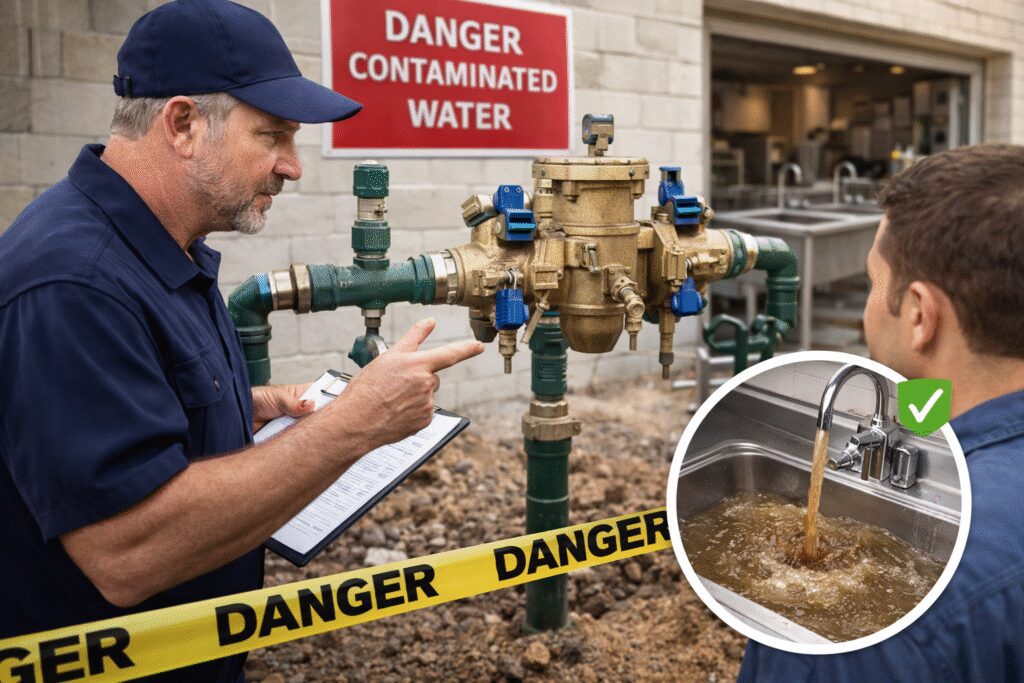
Keeping commercial plumbing systems safe, compliant, and efficient is a shared responsibility for every business. At Ameri Clean Pumping, we recognize how essential it is to protect your facility’s water supply from hidden hazards that may compromise health and operational safety. One of the most important steps in achieving this is a backflow prevention service,…
Read MoreHow Does an Organic Waste Disposal System Reduce Grease Trap Pumping Frequency?

Managing kitchen wastewater effectively is essential for the smooth operation of any food service establishment. One of the biggest challenges kitchens face is the frequent need for grease trap pumping. This process can interrupt daily operations and lead to increased maintenance expenses. At Ameri Clean Pumping, we recognize these challenges and strive to offer dependable…
Read MoreWhen Do You Really Need a Professional Drain Snaking Service?
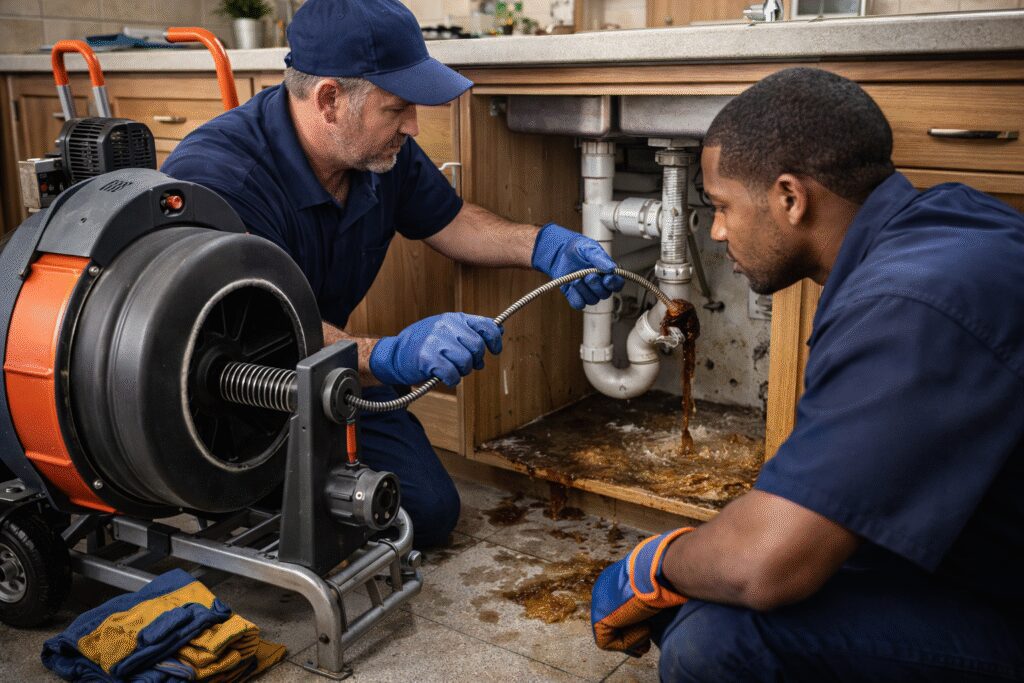
Dealing with slow or clogged drains can quickly become a major inconvenience, disrupting your daily routine and causing unnecessary stress. When drain blockages go untreated, they can lead to more serious plumbing problems and costly repairs down the line. At Ameri Clean Pumping, we recognize the importance of addressing these issues promptly and professionally. Our…
Read MoreWhat Is the Grease Interceptor 50% Rule and Why Does It Matter for Compliance?
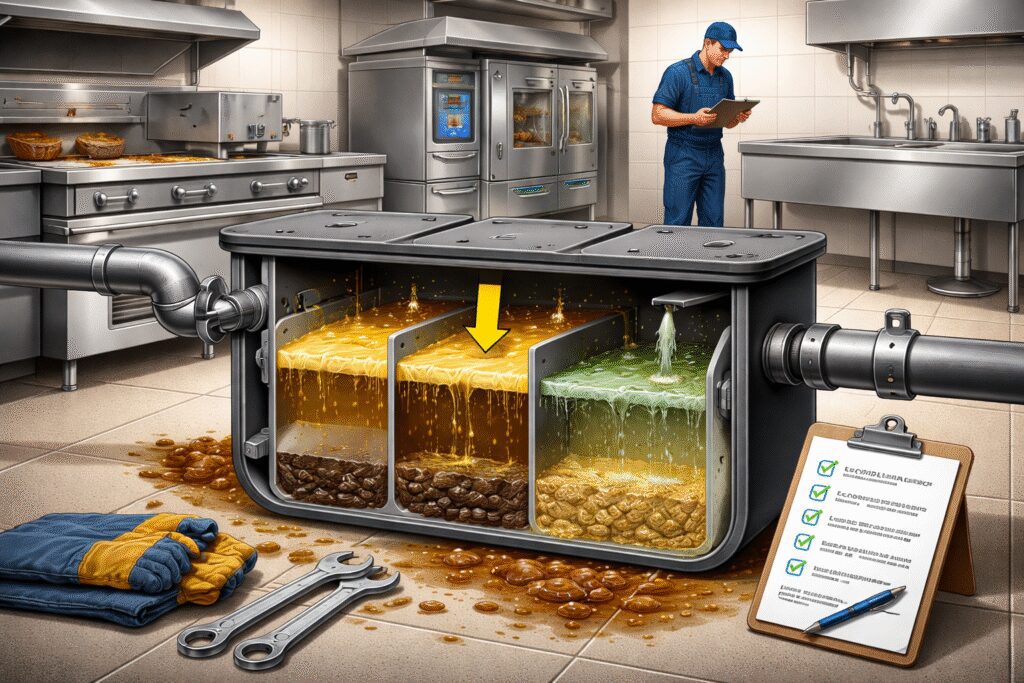
At Ameri Clean Pumping, we encounter businesses every day that face challenges with fats, oils, and grease control. One of the most important standards in this area is the grease interceptor 50% rule. This regulation is essential because it helps prevent grease trap overflow, ensuring that wastewater systems function smoothly and efficiently. Proper adherence to…
Read MoreWhy Choose Passive Grease and Oil Interceptor Solutions Over Traditional Systems?

Commercial kitchens face ongoing challenges in managing fats, oils, and grease in wastewater. Many rely on older or mechanical traps and experience frequent clogs, high maintenance costs, and compliance issues. This is why more businesses are shifting to grease and oil interceptor solutions that are passive, stable, and long lasting. These systems handle wastewater flow…
Read MoreIs Your Current Grease Trap Maintenance Schedule Keeping You Code-Compliant?

Keeping up with your grease trap maintenance schedule is one of the most important responsibilities for any commercial kitchen. A well maintained trap prevents sewer backups, foul odors, costly plumbing repairs, and compliance violations. But many food service operators are unsure whether their current routine is actually meeting code requirements. That uncertainty can lead to…
Read MoreAre Storm Drain Filters the Best Solution for Preventing Clogs?

Managing stormwater effectively is essential for preventing flooding, property damage, and costly repairs. Many commercial properties and facility managers struggle with recurring drain blockages caused by debris, sediment, and runoff waste. Storm drain filters can be a strong line of defense against these issues. If you’ve been considering ways to reduce clogs and protect your…
Read MoreWhat Makes the Big Dipper Grease Trap Effective?

Grease traps play a vital role in keeping commercial kitchens compliant, clean, and efficient. Among the many options available, the Big Dipper grease trap stands out for its smart design and advanced automatic grease removal technology. This innovative system not only captures fats, oils, and grease (FOG) but also separates and removes them automatically, reducing…
Read MoreHow Do You Ensure Proper Functioning of a Sewage Lift Station?

A sewage lift station plays a crucial role in modern wastewater management, helping transport sewage and stormwater from lower to higher elevations. When functioning properly, it prevents backups, reduces flooding risks, and supports the overall efficiency of your municipal wastewater system. However, without regular maintenance and monitoring, a malfunctioning lift station can lead to serious…
Read More