
Is Your Current Grease Trap Maintenance Schedule Keeping You Code-Compliant?
Keeping up with your grease trap maintenance schedule is one of the most important responsibilities for any commercial kitchen. A well maintained trap prevents sewer backups, foul odors, costly plumbing repairs, and compliance violations. But many food service operators are unsure whether their current routine is actually meeting code requirements. That uncertainty can lead to unexpected fines, health department warnings, or even temporary shutdowns.
If you want to stay ahead of issues, protect your kitchen, and maintain smooth operations, it is essential to understand how often grease traps need cleaning, what rules apply, and how proper maintenance supports long term compliance. This guide walks you through everything you need to know to keep your grease trap schedule aligned with regulations and industry standards.
Grease Trap Cleaning Schedule: Why It Matters for Compliance
A consistent grease trap cleaning schedule is the foundation of kitchen wastewater management. When grease, oils, and food solids build up, they cause blockages, overflow risks, and violations of FOG compliance requirements. Because every commercial kitchen generates different amounts of grease, the correct schedule is not the same for everyone.
A well-structured maintenance plan helps prevent sewer line blockage, reduces equipment wear, and protects your business from penalties. Regular service ensures your trap never reaches the point where odors, backups, or plumbing issues occur. Incorporating routine checks—such as staying consistent with Kendall stormwater system care or prioritizing kitchen interceptor upkeep Pembroke Pines—can further strengthen long-term system reliability.
Staying compliant often requires routine grease trap maintenance in Key Biscayne to meet local health and plumbing regulations.
Establishing a consistent home grease trap cleaning schedule helps prevent buildup and plumbing issues.
Staying compliant is easier when you rely on professional grease trap maintenance services designed for commercial kitchens.
Reviewing the grease trap benefits for commercial kitchens helps businesses stay ahead of regulations.”
Key benefits of following a clear schedule:
- Helps meet local FOG control program schedules and regulations
- Prevents grease buildup that leads to wastewater backups
- Protects your plumbing system from damage
- Reduces the risk of emergency grease trap failures
- Keeps your kitchen running smoothly during peak hours
If your trap fills faster than expected, it might be time to re-evaluate your cleaning frequency and consider whether grease trap replacement improves kitchen efficiency in your operation.
Staying compliant also helps with grease trap overflow prevention and system reliability.
Kitchen Wastewater Management and Why It Affects Your Schedule
Kitchen wastewater carries fats, oils, grease, food particles, and soapy water into the grease trap. Over time, this mixture accumulates, causing reduced capacity and slower flow. Restaurants, cafeterias, hotels, and commercial kitchens with high-volume cooking require more frequent cleaning to stay compliant, especially when relying on proper Miami grease interceptor cleaning and additional measures aimed at preventing storm drain clogs.
Understanding your kitchen’s wastewater output helps determine the right cleaning interval. Heavy fryers, large dishwashing operations, and consistent grease production usually require service more often than smaller or low-volume kitchens, making routine commercial grease trap maintenance essential for reliable performance.
FOG Compliance Requirements Every Kitchen Should Know
FOG compliance requirements are enforced to prevent grease from entering public sewer systems. Municipal FOG programs and sanitation departments often require businesses to maintain documentation of grease trap maintenance schedules and inspections. Staying ahead of issues by understanding grease trap pumping risks and adopting systems designed for compact interceptor efficiency helps ensure smoother operations and consistent compliance.
Many jurisdictions follow the “25 percent rule,” which states that a grease trap must be cleaned when it is one quarter full of grease and solids. If your trap consistently reaches that point quickly, your current schedule may not be adequate.
Compliance violations can lead to:
- Fines or penalties
- Required emergency cleaning
- Increased inspections
- Temporary suspension of operations
Staying compliant helps avoid disruption and protects your reputation with health inspectors.
Failing to follow proper schedules can also lead to kitchen drain slowdown caused by grease trap buildup, which may result in code violations.
Grease Trap Inspection Guidelines You Should Follow
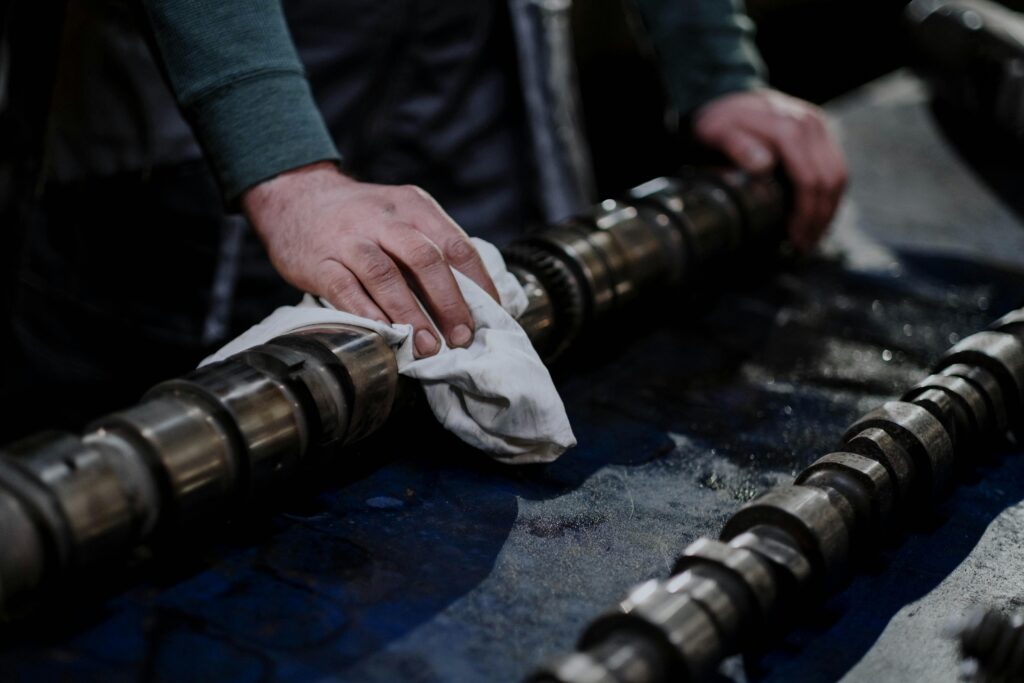
Routine inspections allow you to catch problems early. Most operators conduct in house inspections weekly while relying on professional services for pumping and cleaning.
Inspection steps may include:
- Measuring grease and solids levels
- Checking for strong odors or slow drainage
- Inspecting baffles and flow restrictor
- Ensuring lids and seals are intact
- Confirming wastewater is flowing properly
Documenting each inspection can support compliance reporting and help identify patterns that indicate your cleaning frequency needs adjustment.
Understanding the Grease Trap Pumping Schedule
A grease trap pumping schedule is determined by the size of your trap, your daily volume of grease production, and your municipal regulations. Pumping removes grease, sludge, and wastewater from the trap to restore full capacity, and many facilities improve efficiency by incorporating food waste disposal solutions that reduce overall grease load.
To stay compliant with local regulations, businesses should invest in grease trap maintenance in Pompano Beach tailored to their operational needs.
Signs it is time for pumping:
- Water drains slowly
- Persistent foul odors
- Grease appears near the lid or edges
- Increased backups in sinks or dishwashers
For many kitchens, monthly or quarterly pumping is recommended, but higher volume operations may require more frequent service.
If a trap has not been pumped regularly, emergency grease trap cleaning may become necessary. You can learn more about emergency service options through emergency grease trap cleaning.
How FOG Control Program Schedules Affect Your Kitchen
Many sanitation departments require food service establishments to stay within a defined FOG control program schedule. This means submitting maintenance logs, keeping detailed service records, and ensuring your grease trap is pumped and cleaned at approved intervals that meet the grease interceptor maintenance threshold.
Failing to follow these schedules can result in repeated inspections, citations, or even a forced increase in your maintenance frequency, which is why partnering with dependable commercial grease trap services can help you stay compliant and avoid unnecessary penalties. In some cases, restaurants may also receive fines for poor grease trap maintenance and non-compliance with local regulations.
Staying compliant is easier when you partner with a reliable provider that understands your area’s requirements.
Factors That Determine the Right Grease Trap Cleaning Frequency
Not all kitchens need the same service schedule. Several factors influence your ideal frequency.
Common determining factors:
- Volume of food production
- Type of menu and cooking methods
- Size and design of your grease trap
- Staffing habits in dishwashing and cleaning areas
- History of backups or plumbing issues
- Number of daily customers or meals prepared
A personalized plan ensures your grease trap performs properly without unnecessary disruption.
To stay compliant with local regulations, businesses should prioritize grease trap maintenance in Fort Lauderdale as part of a consistent service schedule.
Falling behind on maintenance can lead to serious plumbing issues, including sink backing up due to grease trap problems that disrupt daily operations.
Odor and Overflow Prevention Through Proper Scheduling
Preventing odors and overflow is one of the biggest reasons to maintain a consistent cleaning routine. When grease traps are neglected, foul smells begin to escape into the kitchen or dining area. Overflow can damage flooring, contaminate food prep zones, and disrupt service.
Maintaining a proper cleaning frequency reduces these risks and keeps your kitchen sanitary, safe, and efficient.
How Professional Services Ensure Code Compliance
Working with trained professionals helps you stay code compliant while reducing the burden on your staff. Experienced technicians know how to evaluate grease levels, clean traps thoroughly, and complete required documentation for inspections.
Ameri Clean Pumping offers full commercial grease trap maintenance solutions that help businesses stay ahead of compliance deadlines. You can explore these options through commercial grease trap maintenance or get location specific services through grease trap maintenance Pompano Beach.
Staying compliant often comes down to recognizing how regular grease trap cleaning supports health and safety standards in your facility
Keep Your Kitchen Compliant With a Reliable Schedule
A proper grease trap maintenance schedule is not just a routine task—it is essential for commercial kitchen operations. It is a requirement for staying code compliant, preventing plumbing problems, and ensuring a safe and sanitary kitchen environment. If your current routine does not meet local guidelines or your trap fills faster than expected, it is time to re-evaluate your plan.
Ameri Clean Pumping can help you stay on top of maintenance with professional cleaning, inspections, and full support for meeting local grease regulations. To schedule service or get personalized guidance, reach out through the Contact Us page today.
Scheduling routine professional grease trap service helps prevent violations and costly shutdowns
risks
If you’re unsure how often grease traps should be cleaned, reviewing updated guidelines can help.
FAQs
How often should I service my grease trap to stay compliant?
Most establishments follow the 25 percent rule or schedule cleanings monthly or quarterly based on volume.
What happens if my grease trap maintenance schedule does not meet code?
You may face fines, required emergency cleanings, or increased inspections.
What factors determine the right cleaning frequency for grease traps?
Volume, menu type, trap size, customer traffic, and previous backup history.
Is pumping required every time, or does cleaning alone work?
Pumping is usually required, as surface cleaning alone is not effective.
How do local FOG regulations affect my maintenance schedule?
Municipal FOG rules dictate cleaning frequency, documentation, and inspection requirements.
Can a professional service help me create a compliant grease trap plan?
Yes, professionals provide tailored schedules and ensure your business meets local regulations.
If your current schedule isn’t keeping up, consider upgrading to a more reliable professional grease trap maintenance plan in Kendall tailored to your kitchen’s needs.