
Are Storm Drain Filters the Best Solution for Preventing Clogs?
Managing stormwater effectively is essential for preventing flooding, property damage, and costly repairs. Many commercial properties and facility managers struggle with recurring drain blockages caused by debris, sediment, and runoff waste. Storm drain filters can be a strong line of defense against these issues. If you’ve been considering ways to reduce clogs and protect your storm drains, understanding how these filters work and what they offer will help you make an informed decision.
This guide breaks down storm drain filters in detail, explores their benefits, and explains where they fit within larger stormwater management systems. Whether you manage a commercial site, an industrial facility, or a residential property, this information can help you choose the best tools for long-term drainage protection, especially when paired with effective storm drain protection barriers.
Stormwater Drain Filters
Stormwater drain filters are designed to capture debris before it flows into your drainage system. They act as a barrier that prevents leaves, trash, sediment, and other waste from entering pipes and causing backups. These filters are widely used across commercial properties, industrial facilities, and municipal locations, often as part of professional wastewater treatment solutions that support clean water flow and help reduce environmental contamination.
Why They Matter
Stormwater often carries pollutants from parking lots, rooftops, and road surfaces. Without a filtering system, this runoff can clog drains, overload pipes, and contribute to local flooding. Stormwater drain filters work as the first layer of protection for locations with heavy foot traffic or large paved areas where debris accumulation is common.
Key Benefits
- Helps prevent blockages caused by debris and sediment
- Reduces maintenance frequency by keeping drains clear longer
- Supports stormwater pollution prevention efforts
- Improves flow efficiency during heavy rain
- Offers an affordable alternative to frequent drain cleaning
Storm drain cleaning may still be needed periodically, but filters help reduce the urgency and frequency of those service calls.
Sediment Filter for Storm Drains
Sediment filters target fine materials such as sand, dirt, and loose soil. These materials can settle inside storm pipes, creating buildup that restricts water flow. Pairing sediment filtration with a professional plumbing readiness check helps identify potential problem areas early and keeps drainage systems operating efficiently.
How Sediment Filters Work
A sediment filter for storm drains typically sits directly under the grate. As water passes through, the filter collects soil, grit, and contaminants. This helps protect pipes from sediment buildup that would otherwise require deep cleaning or hydro jetting.
Advantages of Sediment Filters
- Prevents soil accumulation inside storm pipes
- Reduces the risk of partial clogs that worsen during storms
- Supports drainage engineers who maintain high-traffic areas
- Helps industrial facilities manage runoff with heavy sediment loads
For properties prone to soil erosion, sediment filters become an essential stormwater management tool.
Catch Basin Filter Inserts
Catch basin filter inserts are one of the most widely used stormwater filtration tools for commercial and municipal settings. They fit inside the catch basin and collect larger debris before it enters the drainage line.
Why Inserts Are Effective
These inserts are made of durable materials capable of catching everything from trash and leaves to construction sediment. Because they sit in the catch basin, they provide filtration without restricting surface water flow.
Where Catch Basin Inserts Are Used
- Parking lots
- Shopping centers
- Industrial lots
- Municipal storm drains
- Residential neighborhoods
Commercial drain filtration professionals often recommend these because they are simple to install, easy to replace, and efficient at preventing clogs.
Filters can help, but routine Miami storm drain cleaning services are still necessary for full system protection.
Commercial Drain Filtration
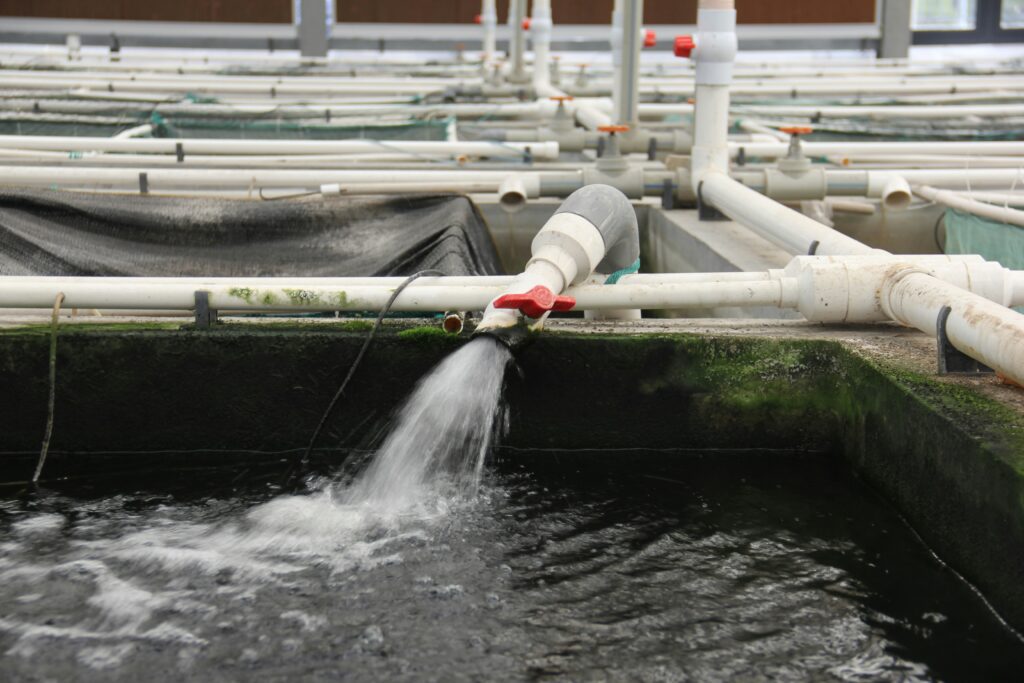
Commercial properties experience heavier runoff compared to residential locations. Large parking lots, loading docks, and multi-building campuses generate more debris, requiring stronger filtration systems.
Why Commercial Systems Need More Protection
Commercial areas often deal with:
- High vehicle traffic
- Grease, oils, and chemicals
- Large amounts of sediment
- Trash and debris from public use
Commercial drain filtration systems help ensure that the drainage infrastructure remains clear, even under constant stress.
Ideal Filtration Options for Businesses
- Debris capture baskets
- Heavy duty catch basin inserts
- High-capacity storm drain filters
- Sediment traps for large paved surfaces
These filtration methods improve overall drain blockage control and promote long-term system performance.
Stormwater Pollution Prevention
Storm drains play an important role in controlling pollution, as anything that flows into them can travel directly to rivers, lakes, and groundwater. Filtration solutions help reduce pollutants before they reach natural water sources, especially when supported by timely french drain repair and cleaning to manage excess runoff effectively.
How Filters Support Pollution Prevention
Storm drain filters trap contaminants such as:
- Litter
- Oil droplets
- Soil
- Organic waste
- Runoff debris
This makes them an important tool for parking lot drainage, industrial facilities, and residential stormwater systems.
Using these filters is also recommended for environmental compliance and property safety.
Are Storm Drain Filters the Best Solution for Preventing Clogs?
Storm drain filters can be one of the strongest preventive measures, but they work best as part of a complete stormwater management plan. They provide efficient debris trapping, simplify maintenance, and reduce the chance of backups during storms.
When Filters Are Most Effective
- Properties with recurring drain blockages
- Industrial facilities with sediment-heavy runoff
- Parking lots that collect trash and debris
- Residential communities with seasonal leaf buildup
- Areas that need better stormwater runoff filtration
Even with filters installed, periodic storm drain cleaning is essential to keep the system performing well. You can explore more maintenance guidance through residential storm drain cleaning, storm drain cleaning Kendall, and professional services offered by Ameri Clean Pumping.
While filters can help reduce debris, understanding the importance of regular storm drain cleaning for long-term performance is key to preventing major blockages.
Conclusion
Storm drain filters are an effective tool for preventing blockages, improving stormwater flow, and protecting drainage infrastructure. They help reduce clogs, save on maintenance costs, and support pollution control.
If you want professional help with maintenance or need expert advice on protecting your property’s drainage system, reach out to Ameri Clean Pumping for reliable solutions. For ongoing support, explore our full range of services, including storm drain cleaning, residential storm drain cleaning, and storm drain cleaning Kendall.
To fully protect your drainage system, it’s essential to combine prevention methods with why regular storm drain cleaning matters for businesses.
FAQ
Do storm drain filters really prevent clogs?
Yes. They help catch debris before it reaches the drainage system, significantly reducing clog formation.
How often should storm drain filters be replaced or cleaned?
Most filters require cleaning every few months, depending on debris level and property size.
Are storm drain filters suitable for commercial and industrial properties?
Absolutely. They are widely used in commercial locations, industrial facilities, and municipal systems.
Do filters help prevent flooding during heavy rain?
They improve water flow by preventing blockage, which can reduce flooding risks.
Are storm drain filters required by environmental regulations?
Some regions require filtration systems for pollution prevention, especially for commercial properties.
What type of storm drain filter is best for my property?
The choice depends on debris type, drainage design, and runoff volume. For guidance, reach out through Contact Us to get expert recommendations.
Contact Aventura storm drain specialists for comprehensive cleaning and maintenance services.