
What are the disadvantages of a French drain? – Full Guide
French drains solve water problems in a smart way, but they’re not flawless. Like any system, they come with trade-offs that homeowners should know before installing.
From maintenance needs to potential costs, understanding the downsides helps you plan better and avoid unpleasant surprises later.
What are the disadvantages of a French drain?
French drains are costly to install, disruptive to landscaping, prone to clogs, need regular maintenance, and don’t work well in all soils.
Key Takeaway
- High installation and labour costs
- Yard disruption during installation
- Risk of clogging from dirt and roots
- Requires regular maintenance
- Limited lifespan (often 20 years or less)
- Poor performance in clay or sandy soils
- Not ideal for flat or poorly draining properties
- Improper installation can harm foundations
- Alternatives like dry wells, rain gardens, or gutter extensions may be better
High Installation Costs
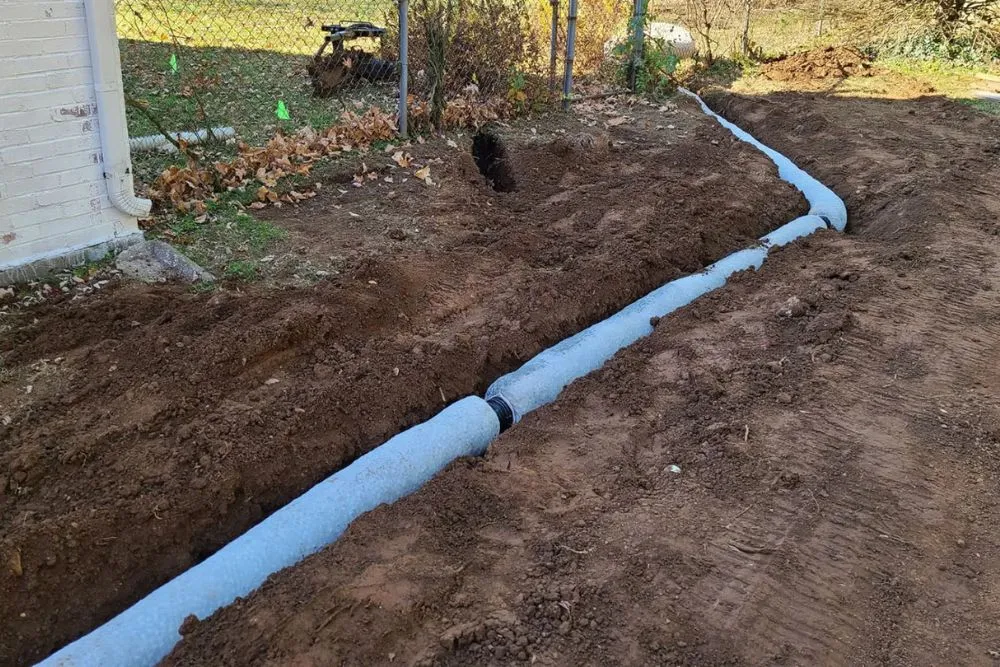
French drains aren’t exactly a budget hack. Between digging trenches, hauling gravel, and laying pipe, the labour and material bill can stack up fast. If you’re hiring pros, that price tag climbs even higher.
But here’s the play: get quotes from multiple contractors, compare what’s included, and don’t skip on quality just to save a buck. A poorly installed drain costs way more in repairs later. If you’ve got the tools and confidence, DIY can cut expenses, though it’s a sweat-heavy project.
Bottom line, French drains aren’t cheap upfront, but smart planning and choosing the right installer can keep your wallet from crying too hard.
Disruption During Installation
French drains don’t just appear like magic, they need trenches dug through your yard. That means torn-up grass, messy soil piles, and a few days of chaos.
If you’ve got landscaping you love, the install might feel like a gut punch. The fix? Plan ahead. Mark off garden beds, talk through routes with your installer, and schedule the work in drier months so the mess is easier to manage.
It’s temporary pain for long-term drainage, but a little foresight keeps the disruption from wrecking your whole vibe.
Risk of Clogging
French drains aren’t bulletproof. Dirt, leaves, and roots can slip in and slow the flow. Once that pipe clogs, your “drain” turns into a backyard puddle factory.
The fix isn’t rocket science. Pop in a filter fabric, keep gutters clean, and check the drain line now and then. Think of it like sneaker care—wipe it down, keep it fresh, and it’ll last way longer.
Regular Maintenance Needs
French drains aren’t set-and-forget. Leaves, dirt, and roots can sneak in and block the flow. That means your fancy water redirect turns into a soggy mess.
The fix isn’t wild—just schedule a cleanout every so often. Flush it with a hose, check the grate, and keep the trench clear. Think of it like sneaker care: stay on top of it, and the drip lasts longer.
If you’re not into DIY, hire a pro once a year to scope it with a camera. Small checks now save you from expensive digs later.
Limited Lifespan
French drains aren’t forever. Over time, soil, roots, and debris sneak in and start clogging things up. That slow build-up cuts the system’s efficiency.
Most drains tap out after a couple of decades, sometimes sooner if your soil’s tricky. The fix? Regular check-ins and a flush when needed keep them flowing longer.
If you’re planning long-term, think of a French drain as a temporary wingman. Pair it with good grading or other drainage tricks, and you’ll stretch its life.
Poor Performance in Certain Soils
French drains aren’t a universal cheat code. In clay-heavy soil, water drains slower than your phone updates. Instead of flowing away, it just sits and pools.
Sandy soil isn’t perfect either. The loose texture can shift, causing the trench to collapse or clog up. That’s like building on quicksand, literally.
If your yard’s soil is fighting the system, you’ve got options. Mixing in gravel, adding a filter fabric, or pairing the drain with a sump pump can keep things moving.
Bottom line, test your soil before installing. Knowing the ground you’re working with saves you from wasted cash and soggy regrets.
Not Ideal for All Properties
French drains aren’t a one-size-fits-all flex. If your yard’s flat as a pancake or the soil doesn’t drain well, the system can backfire. Instead of moving water out, it might just sit and clog.
If that’s your setup, you’ll want other moves, like grading your yard or adding surface drains. Think of French drains as one tool in the kit, not the universal cheat code for every property.
Potential for Foundation Issues
If a French drain isn’t installed right, it can actually backfire and push water toward your foundation. That’s stress your house doesn’t need.
The fix? Make sure the slope is correct and the outlet has space to drain. Regular checks after heavy rain keep small problems from turning into foundation drama.
Alternative Drainage Solutions
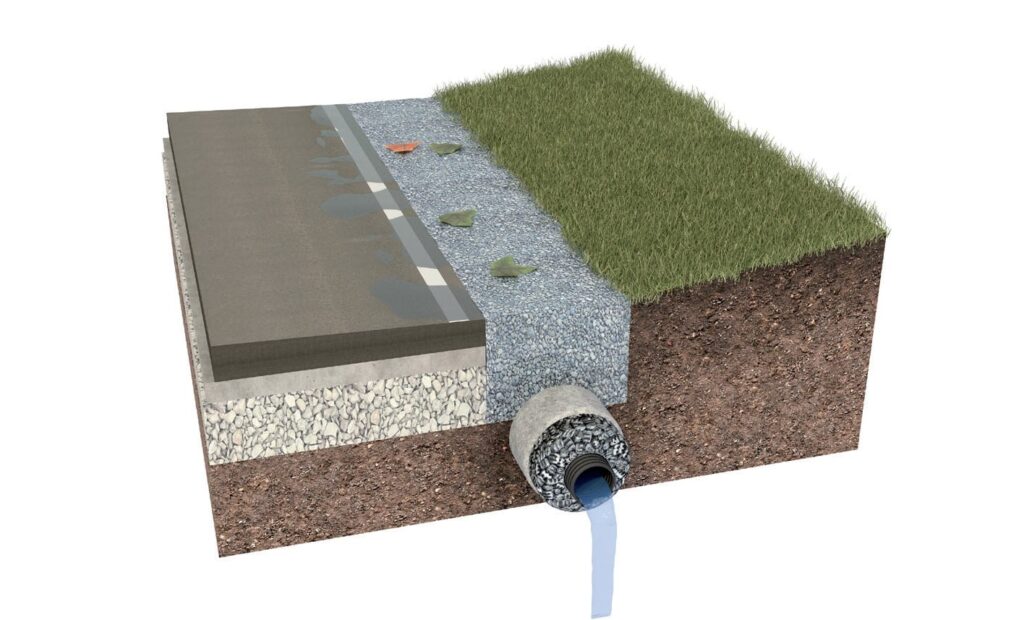
If a French drain feels like overkill, you’ve got options. A dry well is a simple fix, letting water sink underground instead of flooding your lawn.
Rain gardens add style points, soaking up excess water while flexing as a landscape feature. If you’re more low-key, gutter extensions push water farther from your house without much fuss.
Each choice has its own vibe, but all keep your yard from turning into a slip ’n slide.
Frequently Asked Questions
1. Do French drains need a lot of maintenance?
Not really, but they’re not set-and-forget either. A yearly cleanout keeps clogs from flexing on you.
2. Can roots wreck a French drain?
Yep. Tree roots love creeping in. If your yard’s got big oaks, plan on root barriers or regular checks.
3. Will a French drain handle heavy storms?
It helps, but if your area floods hard, pair it with sump pumps. That combo is your cheat code for staying dry.
Conclusion
French drains aren’t perfect, but they’re not a deal-breaker either. The key is knowing the trade-offs.
Yes, they can clog and need upkeep, but a little routine cleaning keeps things smooth. If the slope or soil feels tricky, bring in a pro and skip the stress.
Handled right, a French drain is still one of the cleanest moves for keeping your yard dry and your foundation safe.