
How Do You Maintain a Restaurant Grease Interceptor Effectively?
Running a restaurant means managing more than just food and service, you also need to keep your kitchen’s plumbing system in top shape. One of the most overlooked parts of kitchen maintenance is the restaurant grease interceptor. Without proper care, it can clog your system, cause foul odors, and even lead to costly shutdowns.
If you want to maintain a clean, compliant, and efficient commercial kitchen, understanding what is a grease trap in a restaurant and how to maintain it is a key. Let’s explore how it works, why it matters, and how to keep it functioning properly.
Before maintaining your system, it’s important to understand how a grease interceptor works and why it plays a key role in commercial kitchens.
How Does a Grease Interceptor Work in a Commercial Kitchen?
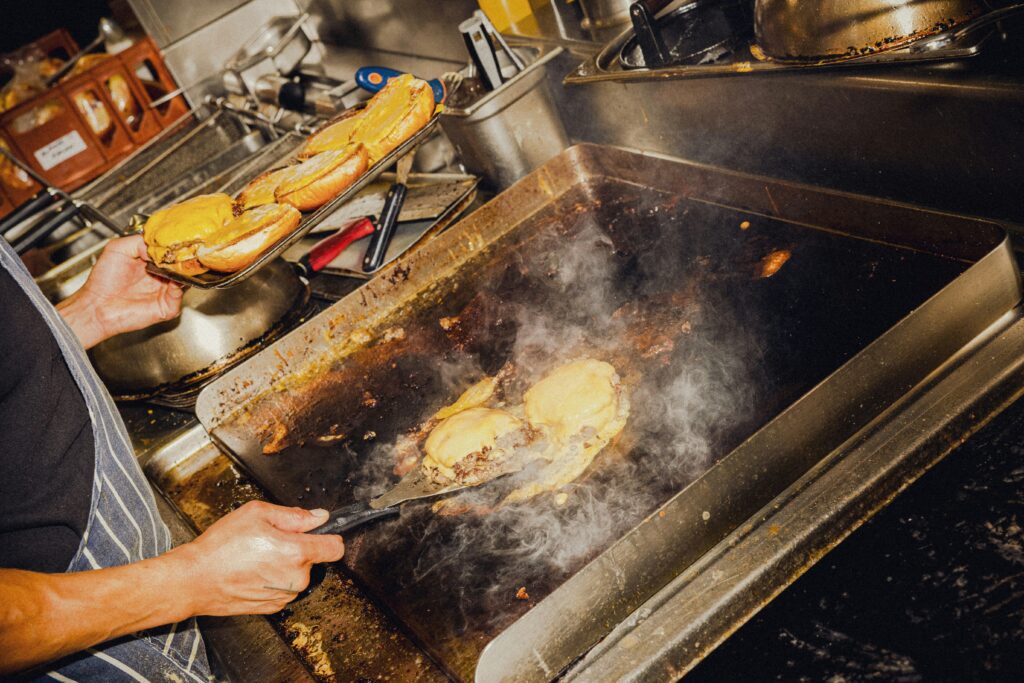
A grease interceptor captures fats, oils, and grease (FOG) before they enter your plumbing or the city’s wastewater system. Installed between the kitchen sink and sewer line, it allows wastewater to cool down so grease and oil can float to the top while solids settle at the bottom.
Without regular grease interceptor cleaning, this buildup can restrict water flow, increase pressure in pipes, and eventually cause backups. In commercial kitchens, where large amounts of grease are produced daily, Commercial Grease Trap Maintenance plays a vital role in preventing plumbing blockages and environmental violations.
Step-by-Step Guide to Effective Grease Interceptor Maintenance
Maintaining your restaurant grease interceptor is a simple yet systematic process. Here’s how it’s done:
- Schedule routine inspections: Have your interceptor checked by professionals regularly to detect early signs of grease buildup or corrosion.
- Record maintenance activities: Keep a log of every cleaning and inspection for compliance with local health department requirements.
- Remove grease and solid waste: Extract accumulated waste from the top and bottom layers.
- Scrub and rinse: Clean the sides, baffles, and cover to prevent leftover grease from hardening.
- Check flow control devices: Make sure valves and flow restrictors are working properly.
- Dispose of waste properly: Follow proper kitchen grease disposal and wastewater management standards.
Regular service schedules often include grease interceptor cleaning in Doral to keep systems running efficiently.
Restaurants benefit from consistent grease interceptor service in Doral to prevent backups and clogs.
Why Proper Maintenance of Grease Interceptors Is Essential
Neglecting your grease interceptor maintenance can lead to multiple issues, such as:
- Plumbing backups that disrupt business operations.
- Health code violations and fines.
- Foul odors that impact customer experience.
- Environmental pollution from improper wastewater treatment.
Routine cleaning and inspection help prevent these problems while maintaining overall commercial kitchen sanitation.
Understanding how kitchen grease extractors improve restaurant safety helps restaurants reduce fire and sanitation risks.
Restaurants rely on commercial grease interceptor cleaning to maintain hygiene and compliance.
Benefits of Hiring Professional Grease Interceptor Services
While DIY maintenance can help, professional cleaning ensures long-term results. Partnering with experts like Ameri-Clean Pumping offers these benefits:
- Comprehensive cleaning: Professionals use advanced equipment to remove all grease buildup.
- Scheduled grease cleaning: Regular maintenance schedules prevent overflows.
- Compliance assurance: Stay in line with restaurant compliance standards.
- Time and cost efficiency: Avoid unexpected repairs and shutdowns.
Learn more about grease trap cleaning to understand how both systems work together.
Following a proper routine can help reduce grease interceptor blockages that lead to slow kitchen drains and performance issues.
Legal Regulations for Restaurant Grease Interceptors
Most US cities have strict regulations regarding grease interceptor maintenance. Local ordinances often require:
- Scheduled inspections and cleaning (typically every 90 days).
- Proper waste disposal documentation.
- Compliance with municipal wastewater management guidelines.
Violating these rules can lead to fines or even temporary closure. Always check your city’s specific restaurant compliance standards or contact your local health department for details, and consider compliant oil water separator cleaning to stay fully aligned with regulations.
Restaurants must stay ahead of regulations by scheduling routine grease interceptor maintenance in Miami FL to prevent violations and unexpected downtime.
DIY Maintenance Tips for Restaurant Grease Interceptors
If you plan to do basic upkeep between professional cleanings, follow these tips:
- Scrape food waste into bins before washing dishes.
- Pour used oil into sealed containers instead of sinks.
- Train staff to recognize early signs of grease buildup.
- Use hot water and degreasing agents to prevent residue formation.
Still, for deep cleaning and inspection, it’s best to call professionals for commercial grease management.
Restaurants benefit from consistent Kendall grease interceptor cleaning to stay compliant.
How Often Should Restaurant Grease Interceptors Be Cleaned?
The cleaning frequency depends on the kitchen size and grease output. On average, restaurant grease interceptors should be cleaned every one to three months.
High-volume kitchens may require more frequent maintenance to prevent grease trap backups. Creating a scheduled grease trap maintenance plan ensures consistent performance and compliance with local standards.
Preventing Grease Trap Backups Through Regular Cleaning
Backups usually occur when too much grease builds up inside the trap. Regular cleaning keeps wastewater flowing smoothly and prevents costly plumbing emergencies, especially when combined with professional catch basin cleaning Miami services.
If you’re unsure how to clean your system, check our guide on how to clean a grease interceptor for step-by-step instructions.
Conclusion
Maintaining a restaurant grease interceptor isn’t just about keeping drains clear — it’s about ensuring kitchen efficiency, safety, and compliance. Staying consistent with code compliant grease trap care helps prevent unexpected issues, while reliable grease trap upkeep in Pompano Beach supports smoother kitchen operations. Regular maintenance keeps your business running smoothly and protects the environment from harmful grease discharge.
For reliable, professional maintenance, contact us today. Our experts at Ameri-Clean Plumbing specialize in commercial grease management to help your restaurant stay compliant, clean, and efficient.
FAQs
1. What is a restaurant grease interceptor?
It’s a plumbing device designed to capture fats, oils, and grease before they enter the sewer system.
2. How often should a restaurant grease interceptor be maintained?
Most should be cleaned every 1-3 months, depending on kitchen usage.
3. Can grease interceptor maintenance prevent plumbing backups?
Yes. Regular cleaning helps prevent clogs and costly plumbing issues.
4. What are the signs that a grease interceptor needs cleaning?
Slow drainage, bad odors, or water backup are common warning signs.
5. Can restaurant staff perform grease interceptor maintenance?
Staff can handle light cleaning, but professional servicing is recommended for deep maintenance.
6. Are there legal requirements for grease interceptor maintenance?
Yes. Local health departments often set maintenance and record-keeping rules.
7. How much does professional grease interceptor cleaning cost?
It varies by size and location, but it’s far less expensive than repairs from neglect.
8. What is the difference between a grease trap and a grease interceptor?
Grease traps are smaller and used for low-flow systems, while interceptors handle higher volumes in commercial kitchens.
9. How does Ameri-Clean Pumping maintain restaurant grease interceptors?
They perform full inspections, remove waste, clean internal parts, and ensure compliance.
10. What are the long-term benefits of proper grease interceptor maintenance?
It prevents plumbing issues, saves costs, ensures compliance, and promotes a clean, efficient kitchen.
Contact trusted Fort Lauderdale interceptor specialists to keep your system operating properly.
Routine interceptor cleaning and maintenance keeps kitchens operating safely and efficiently.
Partner with reliable interceptor maintenance services to avoid costly disruptions.