
How to Clean a Grease Interceptor – Fast & Easy Tips
Grease interceptors do the dirty work in commercial kitchens but they need regular cleaning to stay effective.
Skip the maintenance, and you risk clogs, odors, and costly repairs.
This guide shows you how to clean and care for your grease interceptor to keep your kitchen running smoothly and up to code.
How to clean a grease interceptor?
To clean a grease interceptor, remove debris, drain the grease, and wash with water. Use a scraper to remove stubborn grease from the walls and ensure the outlet is clear.
Key Takeaways
- Regular cleaning of your grease interceptor is essential for preventing blockages and ensuring proper drainage.
- Cleaning typically involves removing accumulated grease and solids, as well as inspecting the device for damage.
- Proper disposal of grease is important to avoid environmental contamination.
What Is a Grease Interceptor?

A grease interceptor is a plumbing device installed in commercial kitchens to collect and separate fats, oils, and grease from wastewater.
These materials can cause blockages in the sewer system, leading to backups, unpleasant odours, and costly repairs.
The interceptor helps protect the plumbing and wastewater infrastructure by trapping these substances before they can flow into the drains.
Grease interceptors typically consist of a large tank installed beneath the kitchen floor or outside the building.
The tank is designed to slow the flow of water, allowing grease and solids to separate and rise to the top, while the cleaner water flows out into the wastewater system.
Why Is Cleaning a Grease Interceptor Important?
Proper cleaning of your grease interceptor ensures that it continues to function as intended, preventing potential plumbing problems and protecting the environment.
Over time, the accumulation of grease and solids can lead to several issues, including:
Blockages: If the grease interceptor isn’t cleaned regularly, the accumulated grease can clog the system, leading to slow drains or complete blockages.
Foul Odours: Stale grease and food particles in the interceptor can create unpleasant smells, which can affect the kitchen and surrounding areas.
Environmental Hazards: If grease overflows or leaks from the interceptor, it can contaminate the surrounding environment and even lead to fines from local environmental authorities.
Cleaning your grease interceptor on a regular schedule helps to maintain the efficiency of the system, prevent costly repairs, and ensure that your kitchen remains compliant with local regulations.
How Often Should You Clean a Grease Interceptor?
The frequency of cleaning your grease interceptor depends on several factors, such as the size of the interceptor, the volume of waste generated by your kitchen, and local regulations. Partnering with a trusted Kendall grease interceptor service can help ensure your system is cleaned and maintained on an optimal schedule, keeping your kitchen compliant and efficient.
In general, it’s recommended to clean your grease interceptor at least every 3 to 6 months.
However, some kitchens with higher grease output, such as those that fry foods or use a lot of butter and oil, may require more frequent cleaning.
Here are some guidelines for determining how often to clean your grease interceptor:
Regulations: Check with local authorities or health departments for any specific regulations regarding grease interceptor cleaning. Some areas require cleaning every 3 months or may issue penalties for non-compliance.
Usage: If your kitchen produces large quantities of grease, such as in fast food restaurants, you may need to clean the interceptor more frequently.
Inspection: Inspect the grease interceptor regularly. If the grease level reaches about 25% of the interceptor’s capacity, it’s time for a cleaning.
Step-by-Step Guide to Cleaning a Grease Interceptor
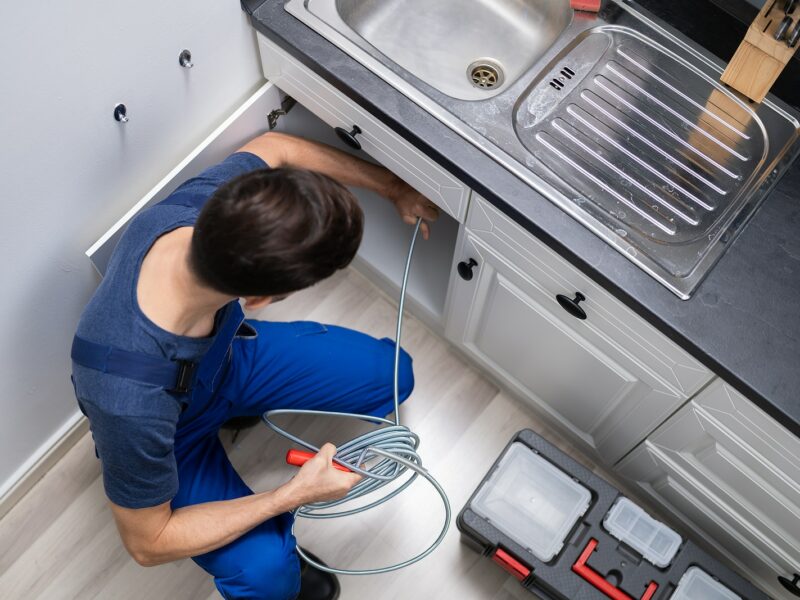
Proper cleaning of your grease interceptor requires the right tools and knowledge. Follow these steps for an efficient and safe cleaning process:
1. Gather the Necessary Tools and Equipment
Before you begin, make sure you have all the necessary tools and safety equipment. You’ll need:
- Heavy-duty gloves
- Protective eyewear
- A bucket or container for removing grease
- A wrench or tool to open the interceptor lid
- A scraper or scoop to remove solid grease
- A power washer (optional, for cleaning the interior)
- Towels or rags for cleaning
- Disposal bags for grease and waste
2. Turn Off Water Supply and Prepare the Area
To avoid any spills or accidents during cleaning, turn off the water supply to the kitchen before you start.
Ensure that the surrounding area is clear of obstacles and any food items that may be in the way.
3. Open the Grease Interceptor Lid
Carefully open the lid of the grease interceptor. Depending on the model, this may require using a wrench or specialized tool.
If the lid is difficult to open, consider contacting a professional to avoid damaging the system.
4. Remove Floating Grease and Solid Waste
Once the lid is open, use a scoop or scraper to remove the grease and solid waste that has accumulated at the top of the interceptor.
Place the grease in a bucket or container for disposal. Be sure to remove any large chunks of food debris or sludge from the bottom of the tank.
5. Clean the Interior of the Interceptor
Use a power washer or hose to clean the interior of the grease interceptor. This will help remove any remaining grease buildup and ensure that the system is clean and free of debris.
Be thorough but gentle to avoid damaging the tank’s components.
6. Check for Damage or Blockages
While cleaning the interceptor, take the opportunity to inspect the system for any damage or blockages.
Check the baffles and pipes for cracks, corrosion, or signs of wear. If you find any issues, it’s important to address them before the system is used again.
Knowing the grease interceptor function explained helps ensure proper cleaning and long-term performance.
Frequently Asked Questions
1. How often should I clean my grease interceptor?
It’s recommended to clean your grease interceptor every 3 to 6 months, but this may vary depending on your kitchen’s grease output and local regulations.
2. What happens if I don’t clean my grease interceptor?
Failing to clean your grease interceptor regularly can lead to blockages, foul odours, environmental damage, and costly repairs.
3. Can I clean the grease interceptor myself?
While it’s possible to clean the grease interceptor yourself, it’s often best to hire a professional to ensure it’s done properly and to avoid damage.
Understanding total costs also includes future drain maintenance services to avoid expensive repairs.
Conclusion
Cleaning your grease interceptor is an essential part of maintaining your kitchen’s plumbing system.
Regular maintenance ensures that your interceptor operates efficiently, preventing costly repairs and environmental damage.
By following the steps outlined in this guide and scheduling regular cleanings, you can keep your grease interceptor in top condition and avoid any future issues.
Whether you choose to clean it yourself or hire a professional, taking care of your grease interceptor will help protect your business and the environment.