
How to Open a Storm Drain – Unlock Pro Tricks Instantly
Ever stared at a storm drain and wondered how to open it without messing something up? You’re not alone. Whether you’re clearing debris or checking for clogs, knowing the right way to open a storm drain can save time—and keep you safe.
Here’s what you need to know before lifting that lid.
How to Open a Storm Drain
Use a storm drain hook to lift the cover safely. Wear gloves, boots, and never open during heavy rain or without permission.
Key Takeaway
- Only open a storm drain if you’re legally allowed and it’s clearly blocked.
- Use proper tools—never a bare crowbar.
- Wear gloves, boots, and use caution.
- Never open during storms or near traffic.
- If it’s stuck or unsafe, call a professional.
When Should You Open a Storm Drain?
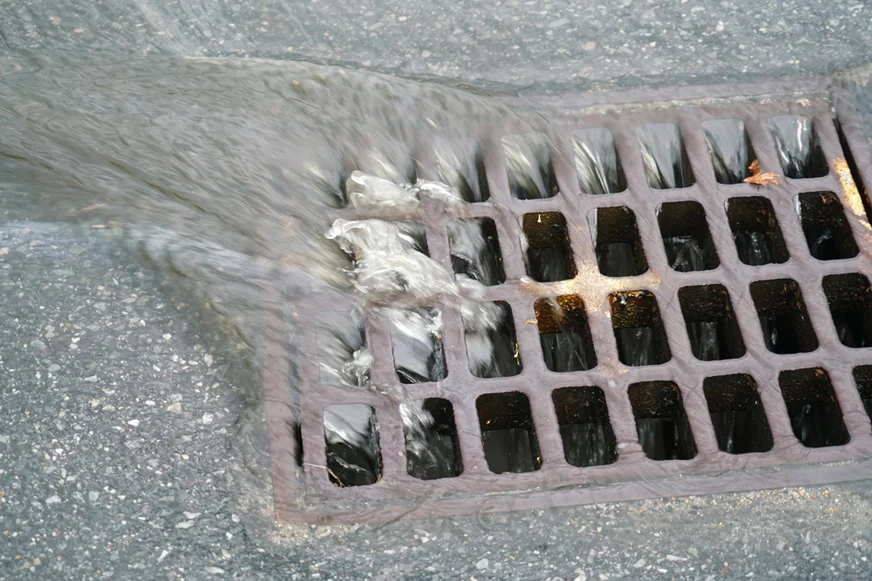
Only open a storm drain if water’s pooling and it’s not draining after a solid rain. Think curbside floods, not just a puddle from your sprinkler.
It’s usually a blockage—leaves, trash, or mystery sludge. If water’s creeping toward your garage or messing with the sidewalk vibe, it’s go-time.
Don’t mess with it during a storm or if water’s rushing. That’s not a flex—it’s a hazard. Wait for the rain to chill, then check it out safely.
And yeah, only do this if it’s a public drain you’re allowed to access. Don’t get cute with city property.
Is It Legal to Open a Storm Drain?
Short answer? Usually not. Storm drains are city property, and messing with them without permission can get you fined—or worse.
They’re part of your town’s water management system, not a DIY project. Lifting a lid might seem harmless, but it can mess with drainage flow or cause injuries.
If there’s a clog, smell, or flooding, call your local public works department. They’ve got the gear (and the green light) to handle it.
Bottom line: don’t treat storm drains like manhole mysteries waiting to be solved. They’re not yours to crack open.
Tools You’ll Need to Open a Storm Drain
Alright, here’s the loadout. First up, you need a solid storm drain hook or manhole cover lift key. Not some random crowbar from the garage—a real one built for this job.
Next, grab heavy-duty gloves. You’re dealing with metal, grime, and mystery sludge. Safety boots? Non-negotiable.
If the lid’s stubborn, a pry bar or pickaxe can give it that extra nudge. Still stuck? Hit it with some penetrating oil and wait it out.
Last thing—don’t forget a flashlight. You’ll want to see what you’re getting into before you go full sewer ninja.
How to Open a Storm Drain – Step-by-Step Guide
Let’s be real—storm drains aren’t designed to pop open like your car trunk. They’re heavy. On purpose. But if you need to open one (legally, obviously), here’s how to do it without breaking your back—or your pride.
1. Check if You Should Open It
First, don’t mess with a public drain unless you have a legit reason. If it’s private property or your job site, cool. Otherwise, call your city.
2. Gear Up Right
Grab gloves, boots, and a pry bar or storm drain hook. This isn’t a flip-flops-and-coffee kind of job. You want grip and protection.
3. Locate the Access Notch
Most covers have a small notch or lift point. That’s your cheat code. Slide your hook or bar into that spot to get leverage.
4. Use Leverage, Not Muscle
Don’t deadlift it like you’re chasing a PR. Pry slowly, using your body weight and the tool to tilt the cover up. Once it shifts, slide it—not lift it—off to the side.
5. Keep the Area Clear
Once it’s open, don’t just walk away. Storm drains = open pit. Set cones or mark the spot so no one falls in like a cartoon fail.
6. Close It Properly
When you’re done, slide the cover back into place. Make sure it’s flush—if it wobbles, it’s not set right. Double check. Then walk away like you just disarmed a bomb.
Opening a storm drain isn’t rocket science, but it’s not casual either. Respect the weight, work smart, and don’t skimp on safety.
What to Avoid When Opening a Storm Drain
First off, don’t just yank it open like you’re lifting weights at the gym. Those covers are heavy and built to stay put—use the right hook tool, not a crowbar from your garage.
Skip the flip-flops. Wear boots or solid shoes in case things get slick or messy.
Never open one during heavy rain. That water rush? Not your friend.
And don’t mess with it if you’re not sure what’s underneath. It’s not a treasure chest—it could be gas lines or a backed-up mess waiting to erupt.
Bottom line: if it feels sketchy, it probably is.
Safety Tips for DIY Storm Drain Access
First up, don’t skip the gloves. Storm drains are grimy, and you don’t want a surprise cut or infection.
Use a crowbar or manhole hook—bare hands aren’t built for lifting heavy iron. Keep your feet steady. That cover’s not light, and one wrong step can wreck your weekend.
Make sure you’re not blocking traffic or doing this at night. Not worth turning a quick fix into an ER visit.
And never stick your head all the way in. You’re not Batman, and storm drains aren’t the Batcave. Just stay smart, stay safe.
While basic steps may help temporarily, complex systems require commercial drain cleaning to prevent major blockages.
When to Call a Professional Instead
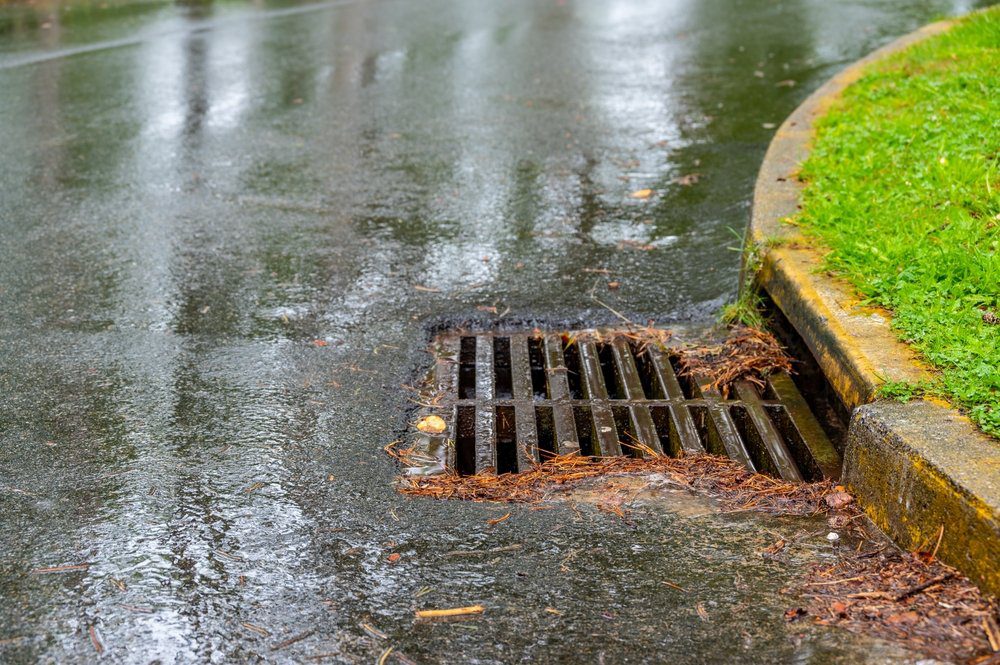
If the drain is clogged deep or the cover won’t budge, don’t force it. You could damage the system or yourself. If your storm drain is connected to kitchen or grease-laden flows, it’s wise to involve a dedicated expert for grease-trap cleaning in Miami kitchens rather than risking a DIY solution that doesn’t address the root cause.
.
Standing water, strange smells, or tools that aren’t doing the job? That’s your cue. Call in a pro with the gear (and gloves) to handle the grime, such as a grease interceptor cleaning specialist in Doral. This includes specialized services like Doral catch basin cleaning to remove heavy sediment and blockages.
Frequently Asked Questions
1. Can I legally open a storm drain?
Usually, no. Most are city property. Mess with one without permission and you’re asking for fines.
2. Why are storm drain covers so heavy?
They’re built like tanks—so they don’t budge when cars roll over or storms hit hard.
3. What tool do I need to open one?
A storm drain hook or crowbar works, but don’t force it if it’s stuck. That’s a fast track to injury.
Conclusion
Opening a storm drain isn’t rocket science, but it’s not a free-for-all either. Use the right tools, stay safe, and know when to call in the pros.
Play it smart, not sloppy. Your city (and your back) will thank you.