
How Does a Grease Interceptor Work – Learn Before It Clogs
Grease is a big problem in commercial kitchens but grease interceptors solve it.
These systems trap fats, oils, and grease before they hit your plumbing, keeping pipes clear and kitchens running smoothly.
This guide breaks down how they work, why they matter, and the benefits they bring to any food service setup.
How does a grease interceptor work?
A grease interceptor works by allowing wastewater to cool, causing fats and oils to solidify and float. The solidified grease is then trapped in the interceptor while water flows out. Regular professional services, such as grease trap cleaning in Aventura FL or a reliable grease interceptor cleaning service in Doral, are essential to ensure the system continues to function efficiently and to prevent costly backups or environmental issues.
Key Takeaways
- Grease interceptors are designed to trap and remove fats, oils, and grease (FOG) from wastewater.
- Properly maintained grease interceptors prevent clogs and backups in plumbing systems and protect the environment from contamination.
- Regular cleaning and maintenance of grease interceptors are essential to ensure their effectiveness and longevity.
Understanding how the system works highlights the need for ongoing interceptor maintenance services.
What Is a Grease Interceptor?

A grease interceptor is a plumbing device designed to capture and separate grease, oils, and fats from wastewater.
These interceptors are commonly used in commercial kitchens and restaurants, where large amounts of cooking grease are produced.
The device works by allowing wastewater to flow through a chamber, where the grease rises to the surface and is retained, while the cleaner water is allowed to pass through and exit the system.
The primary function of a grease interceptor is to prevent grease and oils from entering the municipal sewer system.
These substances can cause blockages and clogs in pipes, leading to costly plumbing issues and potential environmental hazards.
Grease interceptors are essential in complying with local regulations regarding waste disposal.
How Does a Grease Interceptor Work?
The process by which a grease interceptor operates can be broken down into several key stages.
Understanding these steps will help you appreciate the role this device plays in maintaining clean and functional plumbing systems.
Wastewater Flow
The first step in the process involves wastewater from sinks, dishwashers, and other food preparation areas flowing into the grease interceptor.
The water typically contains various substances, including grease, oils, fats, food particles, and detergents.
Separation of Grease and Water
As the wastewater enters the grease interceptor, the device is designed to separate the grease from the water.
Grease and oils are less dense than water, so they naturally float to the surface of the interceptor.
The interceptor features a baffle or partition that helps retain the floating grease while allowing the cleaner water to pass through to the next stage.
Retention of Grease
The grease that rises to the surface is trapped inside the interceptor. The amount of grease that can be stored in the unit depends on the size and capacity of the interceptor.
Over time, as more wastewater flows in, the grease layer will increase, and the water will continue to flow through the device, free from large amounts of fats and oils.
Discharge of Cleaner Water
Once the grease has been separated from the water, the cleaner wastewater exits the grease interceptor and flows into the municipal sewer system or a local treatment plant.
This water is much less likely to cause blockages in the plumbing system, reducing the risk of clogs and sewer backups.
Types of Grease Interceptors
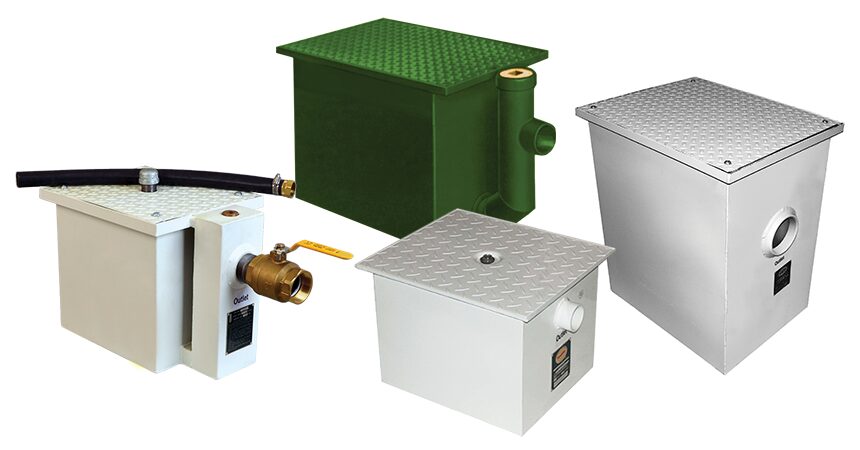
There are several different types of grease interceptors, and the choice of which one to use depends on factors such as the size of the establishment, the volume of grease produced, and local regulations.
The most common types of grease interceptors are:
Passive Grease Interceptors (Grease Traps)
Passive grease interceptors are typically small, simple devices designed for low-flow systems. They use gravity to separate grease from wastewater.
These units are most often found in small restaurants and kitchens where grease production is relatively low.
They require regular maintenance to remove the accumulated grease and prevent blockages.
Automatic Grease Removal Units (AGRU)
Automatic Grease Removal Units (AGRU) are larger, more advanced devices that automatically remove accumulated grease from the system.
These units are typically used in larger establishments where high volumes of grease are produced.
AGRUs are more efficient and require less manual intervention compared to passive grease interceptors.
Hydromechanical Grease Interceptors (HGI)
Hydromechanical grease interceptors are designed to separate grease using mechanical processes like water flow and gravity.
They are often used in medium to large kitchens and are capable of handling higher flow rates than passive grease interceptors.
These units often feature baffles, screens, and other devices that help separate grease from water more efficiently.
Why Are Grease Interceptors Important?
Grease interceptors serve several important functions in both commercial and residential plumbing systems.
These devices play a critical role in preventing damage to plumbing infrastructure and helping businesses comply with local waste disposal regulations.
Prevent Plumbing Clogs
One of the primary reasons for installing a grease interceptor is to prevent grease from building up in the pipes and causing clogs.
Without a grease interceptor, fats, oils, and grease can solidify in the plumbing system, leading to blockages, slow drainage, and expensive repairs.
Protect the Environment
Improper disposal of grease and oils can lead to environmental contamination.
When grease enters the municipal sewer system, it can cause blockages that prevent the system from functioning properly.
In severe cases, untreated grease can make its way into local rivers, lakes, or oceans, causing harm to aquatic life and the environment.
Comply with Local Regulations
Many local municipalities require businesses in the food service industry to install and maintain grease interceptors.
These regulations are in place to prevent plumbing issues and protect the environment.
Failure to comply with local grease disposal regulations can result in fines, penalties, or the suspension of business operations.
Improve Hygiene and Safety
Grease buildup can attract pests and cause unpleasant odours.
A well-maintained grease interceptor helps keep the kitchen and surrounding areas cleaner, more hygienic, and safer for employees and customers.
Regular maintenance also helps prevent grease-related accidents, such as slipping on wet floors.
Proper Maintenance of a Grease Interceptor
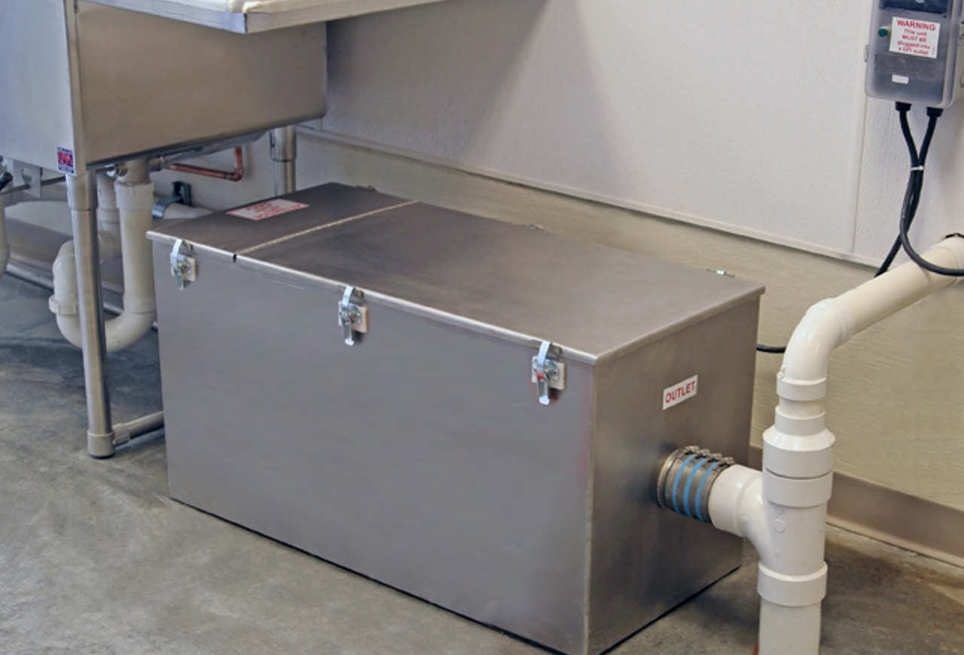
For a grease interceptor to function effectively, regular maintenance is required. Failure to maintain the unit can result in clogs, unpleasant odours, and even system failure.
Here are the key steps to maintaining your grease interceptor:
Regular Cleaning and Pumping
Grease interceptors need to be cleaned and pumped out regularly to ensure that they continue to function efficiently.
The frequency of cleaning depends on the size of the interceptor and the volume of grease produced, but typically, they should be cleaned every 3 to 6 months.
Monitor the Grease Level
It’s essential to monitor the grease level in the interceptor to ensure that it doesn’t exceed the recommended capacity.
When the grease reaches a certain level, it can start to impact the efficiency of the interceptor, reducing its ability to separate grease from wastewater.
Inspect for Damage
Regularly inspect the grease interceptor for any signs of wear or damage.
Look for cracks in the tank, malfunctioning parts, or blocked pipes. Promptly addressing any issues will help ensure that the system continues to operate correctly.
Frequently Asked Questions
1. How often should I clean my grease interceptor?
Grease interceptors should be cleaned every 3 to 6 months, depending on the volume of grease generated. High-traffic kitchens may require more frequent cleanings.
2. Can I dispose of grease without a grease interceptor?
No, disposing of grease without a grease interceptor can lead to plumbing blockages, environmental pollution, and potential fines from local authorities.
3. How do I know if my grease interceptor needs cleaning?
If the grease level in the interceptor exceeds 25% of the tank’s capacity, it’s time for a cleaning. Also, slow drainage or unpleasant smells can indicate a full or clogged interceptor.
Conclusion
Grease interceptors are essential devices for managing grease in commercial kitchens and ensuring that wastewater is properly filtered before entering the sewer system.
Whether you choose a passive grease trap or an advanced automatic removal system, maintaining your grease interceptor is critical to preventing plumbing issues, protecting the environment, and complying with regulations.
Regular cleaning, monitoring grease levels, and inspecting the unit for damage are key to keeping your system functioning efficiently.
By understanding how grease interceptors work and following the best maintenance practices, you can avoid costly repairs and ensure a safe, clean kitchen environment.