
Does a French Drain Require an Outlet to Work Properly?
Water pooling around a property is rarely just a surface problem. In many residential and commercial properties, poor drainage begins underground where excess water has nowhere to go. French drains are designed to redirect that water away from structures, landscaping, and low lying areas before flooding or soil damage occurs. However, many property owners ask the same question before installation or repair work begins: does a French drain actually require an outlet to work properly? Understanding how these systems function and when to request a service can help prevent expensive drainage failures later.
The short answer is yes, most French drains need a proper outlet to perform efficiently over the long term. Without a discharge point, water collected by the drain system has nowhere to exit. This can reduce drainage performance, increase soil saturation, and eventually create standing water problems again. While some systems rely partially on soil absorption, a properly designed outlet is what allows a French drain to remove water consistently and protect the property effectively.
How a French Drain Actually Works
A French drain is a drainage system designed to collect and redirect excess groundwater away from a specific area. The system typically consists of a perforated pipe installed inside a gravel filled trench. As water enters the trench, it flows into the perforated pipe and moves away from the affected area.
French drains are commonly installed around foundations, yards, retaining walls, parking lots, and low drainage zones where water accumulation becomes a recurring issue. Their main purpose is to reduce soil saturation and prevent standing water from damaging structures or landscaping.
The drain itself only collects and channels the water. The outlet is what allows the system to fully remove that water from the property.
Without proper discharge, the collected water eventually remains trapped within the drainage field.
Why the Outlet Is So Important
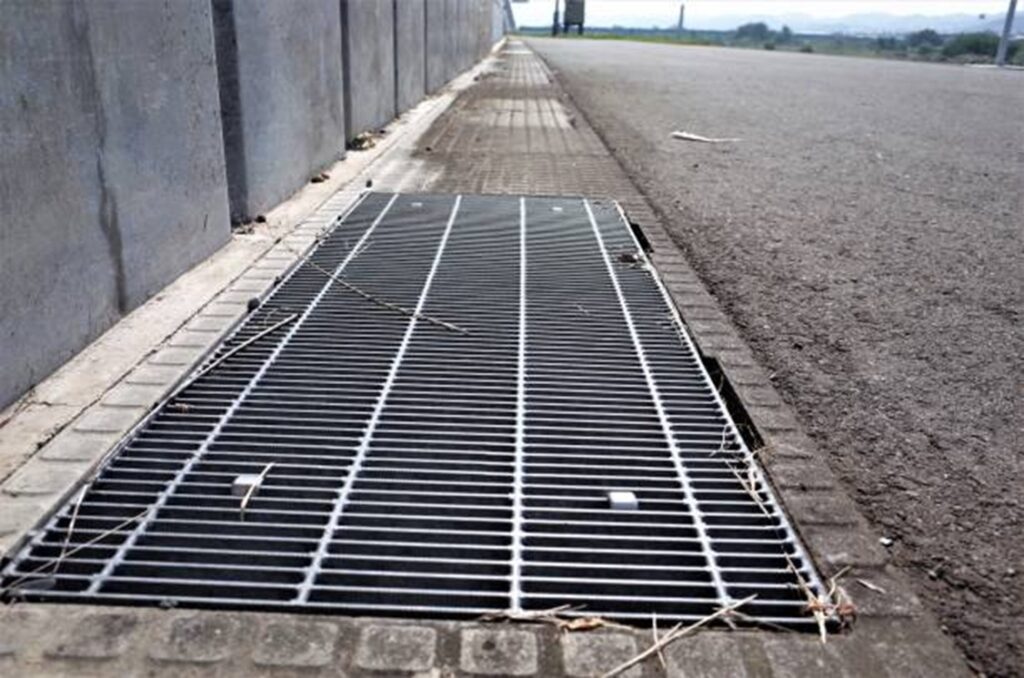
The outlet is one of the most important parts of a French drain system because it determines where the water ultimately exits. Once groundwater enters the pipe, gravity pushes it toward the outlet point where it can safely discharge away from the property.
Without an outlet, the drain system may initially appear to work because water temporarily fills the gravel trench. However, once the surrounding soil becomes saturated, drainage efficiency decreases significantly.
This often leads to recurring problems such as:
- Standing water after rainfall
- Soggy landscaping areas
- Soil erosion near structures
- Foundation moisture problems
- Reduced drainage capacity over time
A properly functioning outlet keeps water moving continuously instead of allowing it to collect underground.
Common Types of French Drain Outlets
French drain outlets can vary depending on property layout, elevation, and local drainage regulations. The goal is always to direct water safely away from structures without creating runoff issues elsewhere.
Several outlet options are commonly used:
- Daylight outlets that discharge downhill
- Catch basin connections
- Storm drain tie ins
- Dry wells for gradual absorption
- Swales or drainage ditches
The best outlet choice depends on how much water the property receives and where the excess water can safely flow.
In some situations, combining multiple drainage methods provides the most reliable long term performance.
Can a French Drain Work Without an Outlet?
Technically, some French drains can function temporarily without a dedicated outlet if the surrounding soil absorbs water effectively. These systems rely on the gravel trench to disperse water slowly into the ground.
However, this approach often creates limitations. During heavy rainfall or in areas with dense soil, the ground may become oversaturated quickly. Once the surrounding soil can no longer absorb water efficiently, the drainage system loses effectiveness.
Properties located in areas with clay soil, frequent storms, or high groundwater levels are especially vulnerable to these problems.
Over time, a French drain without an outlet may become overwhelmed and stop preventing water accumulation altogether.
Signs a French Drain Is Not Draining Properly
A French drain system that lacks proper discharge will usually show warning signs before complete failure occurs. Water problems may begin gradually and worsen over time.
One of the most common signs is recurring standing water in the same location even after a French drain has already been installed. Property owners may also notice soft or constantly wet soil around landscaping areas.
Other warning signs include slow drainage after rainfall, erosion near the drainage trench, or moisture buildup near building foundations. In severe cases, water may back up through the drainage system itself.
When these issues appear consistently, the outlet design often needs inspection or correction.
How Poor Drainage Affects Property Structures
Excess water around a property creates much more than cosmetic problems. Long term drainage issues place constant pressure on foundations, pavement, retaining walls, and underground infrastructure.
When water remains trapped in the soil, hydrostatic pressure increases around building foundations. This can eventually lead to cracking, leaks, and structural movement. Saturated soil may also weaken landscaping and create uneven ground surfaces.
Commercial properties often experience additional risks such as flooded walkways, parking lot damage, and customer safety concerns. Proper French drain design helps reduce these risks by moving water away before damage occurs.
A drainage system is only as effective as its ability to discharge water consistently.
Why Professional Drainage Design Matters
French drain systems require careful planning to function properly long term. Slope calculations, pipe placement, soil conditions, and outlet positioning all affect drainage performance.
Improper installation can reduce water flow efficiency or create areas where water becomes trapped inside the system. In some cases, the drain may actually redirect water toward structures instead of away from them.
Professional drainage specialists evaluate the entire property before installation begins. This helps determine the best outlet location and ensures water can move efficiently away from the affected area.
Working with experienced providers like Ameri-Clean Pumping helps property owners avoid drainage design mistakes that may lead to expensive corrections later.
Maintenance Still Matters After Installation
Even a properly designed French drain requires maintenance over time. Sediment, roots, and debris may eventually enter the system and reduce water flow inside the perforated pipe.
Regular inspections help identify developing issues before the drain becomes blocked completely. Cleaning and flushing the system periodically improves performance and extends the lifespan of the drainage infrastructure.
Property owners should also monitor outlet areas to ensure discharge points remain clear and unobstructed. If the outlet becomes blocked, the entire system may begin backing up.
Routine maintenance helps preserve consistent drainage performance during heavy rainfall seasons.
Benefits of a Properly Functioning French Drain
A well designed French drain with an effective outlet provides several long term advantages for residential and commercial properties.
Benefits include:
- Reduced standing water problems
- Better foundation protection
- Improved landscape drainage
- Lower erosion risk
- Less soil saturation near structures
- Improved property safety during storms
When water is redirected efficiently, the entire property experiences better drainage stability throughout the year.
Conclusion
French drains are highly effective drainage solutions, but most systems require a proper outlet to function efficiently long term. While some water may temporarily absorb into the surrounding soil, a dedicated discharge point ensures collected groundwater can exit the property safely and consistently.
Without an outlet, water may remain trapped underground, leading to recurring drainage problems, soil saturation, and structural risks over time. Proper system design, professional installation, and routine maintenance all play important roles in keeping the drainage system operating correctly.
If your property experiences standing water, poor drainage, or recurring flooding despite having a French drain installed, it may be time to schedule service and evaluate whether the system’s outlet is functioning properly. Ameri-Clean Pumping provides professional drainage solutions designed to help properties maintain reliable water management year round.
Frequently Asked Questions:
Most French drains require an outlet to move collected water away from the property effectively.
Without proper discharge, water may remain trapped in the soil, reducing drainage performance over time.
In some cases temporarily, but heavy rainfall and saturated soil usually reduce effectiveness without a dedicated outlet.
Common options include daylight outlets, storm drains, catch basins, swales, and dry wells.
Standing water, soggy soil, recurring flooding, and slow drainage are common warning signs.
Yes. If the outlet becomes clogged, water may back up inside the drain system and reduce efficiency.
Yes. Periodic cleaning and inspections help remove sediment and maintain proper water flow.
Ameri-Clean Pumping provides professional drainage inspections, French drain services, and long term drainage solutions.