
Standing Water After Rain? Your Storm Drain Might Need Cleaning
Storm drain cleaning is often overlooked until standing water becomes impossible to ignore. Storm drain cleaning helps remove debris, sediment, and blockages that prevent water from draining properly after rainfall. If you are noticing puddles that linger for hours or even days, your drainage system is likely not functioning as it should.
Many property owners assume standing water is just a surface issue. In reality, it usually points to a deeper problem within the drainage infrastructure. Blocked storm drains, clogged catch basins, and poor water flow all contribute to water buildup. Ignoring the issue can lead to property damage, safety risks, and expensive repairs.
Understanding why storm drain cleaning matters and how it solves drainage issues can help you protect your property and avoid long term problems.
Why Standing Water After Rain Is a Serious Problem
Standing water is more than just an inconvenience. It signals that your outdoor drainage system is failing to handle surface water runoff effectively.
Here are the main risks associated with standing water:
- Damage to pavement and concrete surfaces
- Soil erosion around landscaping
- Increased mosquito and pest activity
- Slippery surfaces that create safety hazards
- Structural damage to foundations over time
When water is not redirected properly, it places pressure on your drainage infrastructure. Over time, this can lead to cracks, sinkholes, and costly restoration work.
A properly maintained stormwater drainage system ensures that water flows away from your property instead of collecting on the surface.
How Storm Drain Cleaning Solves Water Pooling Issues
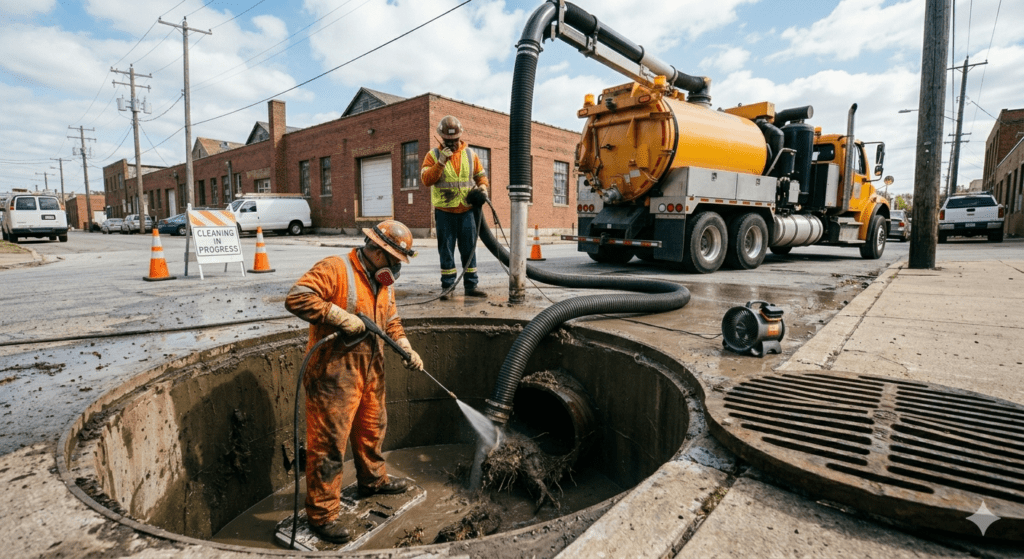
Storm drain cleaning removes the debris that blocks water flow inside your drainage system and helps resolve recurring standing water problems caused by clogged drains. Leaves, dirt, trash, and sediment often accumulate in storm drains and prevent proper drainage.
Here is how storm drain cleaning works:
- Technicians inspect the drainage system for blockages
- Debris is removed from storm drains and catch basins
- Sediment buildup is cleared from underground pipes
- Water flow is restored throughout the system
This process improves stormwater runoff management and prevents water from pooling in problem areas.
In many cases, storm drains are connected to catch basins that collect debris before water enters the main drainage line. Regular maintenance using proper catch basin cleaning equipment ensures these systems function efficiently.
Storm drain cleaning is a practical solution for preventing recurring water pooling and maintaining a reliable outdoor drainage system.
Common Areas Where Storm Drains Get Blocked
Storm drains are most likely to clog in areas with heavy debris accumulation or high traffic.
Common problem areas include:
- Parking lots with heavy vehicle use
- Driveways and loading zones
- Landscaped areas with falling leaves and soil runoff
- Construction zones with loose debris
- Streets and sidewalks near commercial properties
These locations experience constant exposure to dirt and waste, making them vulnerable to blockage.
When storm drains in these areas become clogged, water has nowhere to go. This leads to standing water after rain and increases the risk of property damage.
Regular storm drain cleaning ensures that these high risk areas remain clear and functional.
Warning Signs Your Storm Drain Needs Immediate Cleaning
Drainage systems rarely fail without warning. Recognizing early signs can help you take action before the problem escalates.
Watch for these indicators:
- Water pooling after light rainfall
- Slow drainage in parking lots or yards
- Debris visible around drain openings
- Unpleasant odors from storm drains
- Overflow during heavy rain
These signs suggest that your drainage system is struggling to handle water flow.
In some cases, the issue may extend beyond surface drains. If water continues to collect despite cleaning, it may be time to explore catch basin replacement services to restore full system capacity.
Acting early reduces the need for emergency repairs and prevents further damage.
The Hidden Risks of Ignoring Storm Drain Blockages
Ignoring storm drain issues can lead to more serious problems over time.
Here are the hidden risks:
Flooding
Blocked drains cause water to overflow onto surfaces, increasing the risk of flooding.
Structural Damage
Standing water weakens foundations and damages surrounding infrastructure.
Increased Maintenance Costs
Minor blockages can turn into major repairs if not addressed promptly.
Environmental Impact
Improper stormwater runoff management can lead to contamination and erosion.
Operational Disruption
For commercial properties, water accumulation can affect customer access and daily operations.
Storm drain cleaning prevents these risks by ensuring that water is directed away from your property efficiently.
How Routine Storm Drain Cleaning Improves System Performance
Consistent maintenance is the key to a reliable drainage system. Routine storm drain cleaning ensures that water flows freely and does not accumulate on the surface.
Benefits of regular maintenance include:
- Improved drainage system efficiency
- Reduced risk of flooding and water damage
- Longer lifespan of drainage infrastructure
- Lower repair and maintenance costs
- Safer outdoor environments
A well maintained stormwater drainage system can handle heavy rainfall without failure.
Property owners who schedule regular inspections and cleaning avoid sudden breakdowns and maintain consistent performance throughout the year.
Preventing Future Drainage Issues with Smart Planning
Storm drain cleaning is most effective when combined with proactive planning.
Here are a few strategies to prevent future issues:
- Schedule periodic inspections of your drainage system
- Remove visible debris from drain openings
- Ensure proper slope for water flow
- Maintain catch basins and connected systems
- Address minor issues before they escalate
For properties with recurring water issues, upgrading drainage components or installing additional systems may be necessary.
Preventive maintenance helps you avoid repeated problems and ensures long term drainage efficiency.
Conclusion: Don’t Ignore Standing Water After Rain
Standing water after rain is a clear sign that your drainage system needs attention. Storm drain cleaning provides a reliable solution by removing blockages and restoring proper water flow.
By investing in routine maintenance and addressing issues early, property owners can prevent flooding, protect infrastructure, and maintain a safe environment.
If you are dealing with persistent water pooling, now is the time to take action. A properly maintained stormwater drainage system keeps your property functional, safe, and prepared for any weather conditions.
Frequently Asked Questions:
Standing water is usually caused by clogged storm drains, blocked catch basins, or poor drainage system design.
Storm drain cleaning removes debris and sediment, allowing water to flow freely through the drainage system.
Frequency depends on location and usage, but regular maintenance is recommended to prevent blockages.
Yes. Blocked drains prevent water from draining properly, leading to overflow and flooding.
Yes. When combined with regular maintenance, it provides a reliable and long term solution for managing stormwater runoff.