
Grease Trap Cleaning
What Makes the Big Dipper Grease Trap Effective?

Grease traps play a vital role in keeping commercial kitchens compliant, clean, and efficient. Among the many options available, the Big Dipper grease trap stands out for its smart design and advanced automatic grease removal technology. This innovative system not only captures fats, oils, and grease (FOG) but also separates and removes them automatically, reducing…
Read MoreWhen Do You Need Emergency Grease Trap Cleaning?
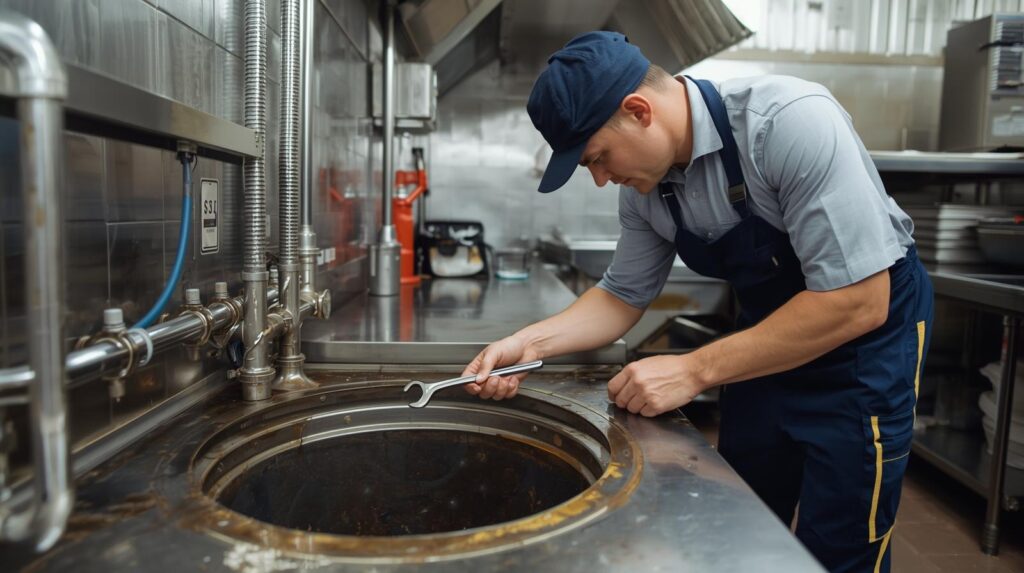
In the fast-paced world of commercial kitchens, emergencies can happen without warning. One of the most stressful and disruptive issues for any restaurant or food service business is a grease trap overflow. When that happens, emergency grease trap cleaning becomes essential to protect your plumbing system, avoid costly damage, and stay compliant with health codes.…
Read MoreWhy Is Commercial Grease Trap Maintenance Crucial for Your Business?

Running a commercial kitchen means dealing with constant grease, oil, and food waste. Over time, these byproducts can cause serious plumbing problems if not properly managed. That’s where commercial grease trap maintenance becomes vital. Regular cleaning keeps your drainage system efficient, prevents costly backups, and ensures compliance with health regulations. Businesses benefit from reliable commercial…
Read MoreThe Critical Benefits of Regular Grease Trap Cleaning

Discover how routine kitchen grease trap cleaning and professional grease pumping can prevent fines, avoid backups, and ensure compliance for your business.
Read MoreHow Does Grease Trap Cleaning Prevent Blockages and Bad Odors?

Grease traps do more than just catch kitchen waste. Regular cleaning keeps pipes clear, stops blockages before they build up, and eliminates those foul smells no one wants. By maintaining your trap, you’re protecting your plumbing, saving money on repairs, and keeping your kitchen fresh and functional. How does grease trap cleaning prevent blockages and…
Read MoreWhat Tools Do I Need for DIY Grease Trap Cleaning? – Guide

Cleaning your grease trap yourself can save money, but it’s not a job to dive into unprepared. Having the right tools makes the process safer, faster, and less messy. This guide walks you through the must-have equipment so you can handle DIY grease trap cleaning with confidence and avoid common headaches. What tools do I…
Read MoreHow Do I Choose the Right Size On-Floor Grease Interceptor?
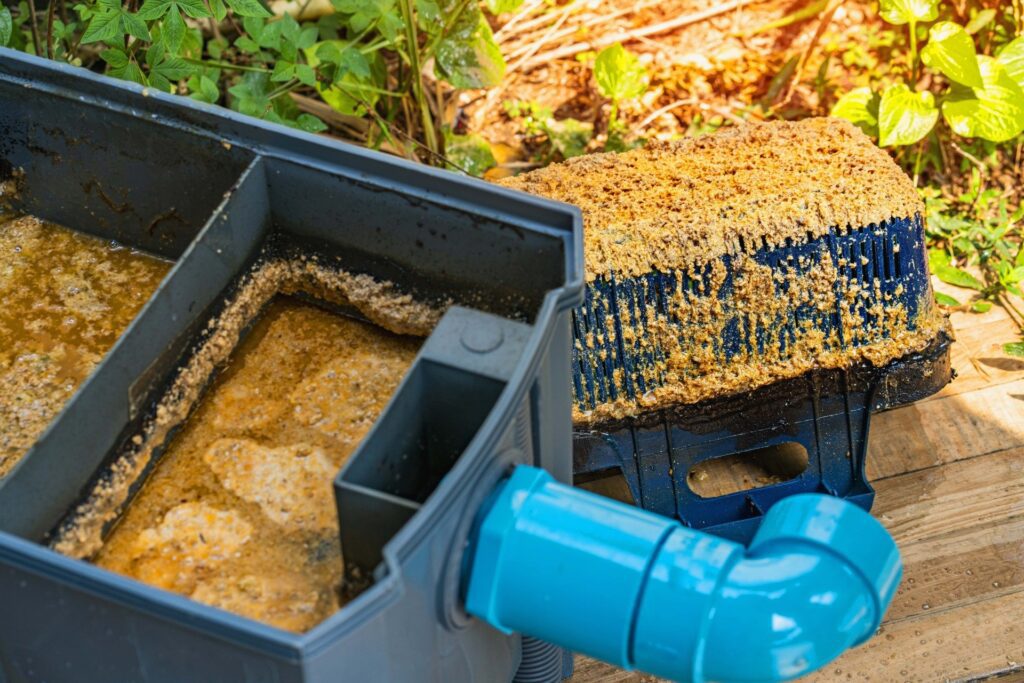
Grease traps aren’t a one-size-fits-all situation. Pick the wrong size, and you’ll be stuck with clogs, foul smells, and costly fixes. Choosing the right on-floor grease interceptor means matching it to your kitchen’s flow and waste levels. This guide breaks down how to size it right so your system runs smoothly. How do I choose…
Read MoreHow Much Does a 1000 Gallon Grease Trap Cost ? 2026 Prices

Wondering how much a 1,000-gallon grease trap pumping costs in your area? grease trap costs? You’re not alone. Whether you’re starting a new restaurant or upgrading your current system, knowing what to expect price-wise can help you budget smarter. This quick guide breaks down what affects the cost and what you should plan for, including…
Read MoreWhat Is a Grease Trap in a Restaurant? Protect Your Plumbing

A grease trap is a simple but essential device in any restaurant kitchen. It stops fats, oils, and grease from clogging your pipes and causing costly backups. Knowing how it works helps you keep your kitchen running smoothly and avoid plumbing headaches. What is a grease trap in a restaurant? A grease trap is a…
Read MoreWhat Could Occur If a Grease Trap Isn’t Properly Maintained

If a grease trap isn’t properly maintained, it can quickly become a costly headache. Blocked pipes, foul odors, and even health violations are just the start. Keeping up with regular cleaning helps you avoid these issues and keeps your kitchen running smoothly. What could occur if a grease trap isn’t properly maintained? Neglect leads to…
Read More