
Posts by pwsadmin
How Does Proper Food Safety and Sanitation Reduce Plumbing and Drainage Issues?

Running a clean and compliant kitchen involves more than meeting standard health codes. It also means protecting your plumbing system from the avoidable impact of improper waste handling. At Ameri Clean Pumping, we see every day how strong food safety and sanitation practices directly prevent plumbing clogs, wastewater backups, and grease-related blockages. When commercial kitchens…
Read MoreHow Frequently Should Grease Trap Emptying Be Performed for Best Efficiency?

Maintaining a clean and efficient commercial kitchen demands careful attention to every system, especially grease trap emptying. These essential devices capture fats, oils, and grease from kitchen wastewater, preventing harmful buildup that can lead to costly plumbing issues and health code violations. Without regular maintenance, grease accumulation can cause blockages, foul odors, and potential fines,…
Read MoreHow Can Businesses Re-Evaluate Their Grease Trap Sizing Over Time?
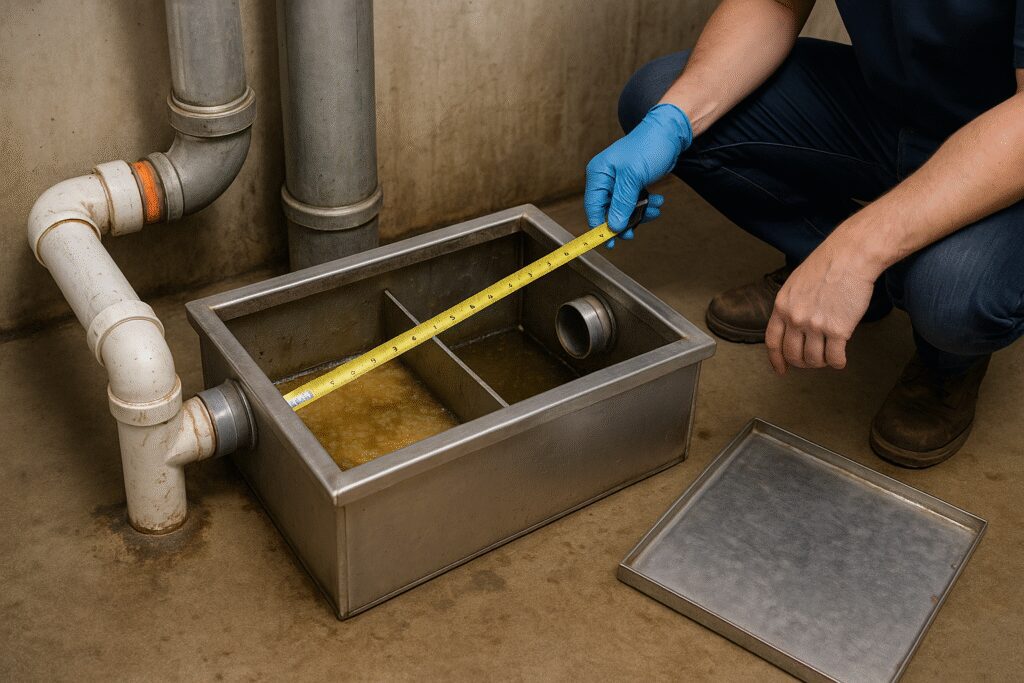
Businesses rely heavily on properly sized grease traps to keep plumbing systems safe, maintain flow efficiency, and stay compliant with municipal regulations. But as kitchen operations expand, menu items change, or customer demand increases, many commercial kitchens end up using a system that no longer matches their daily grease output. This leads to more backups,…
Read MoreWhat Does a Standard Grease Interceptor Diagram Reveal About System Flow?
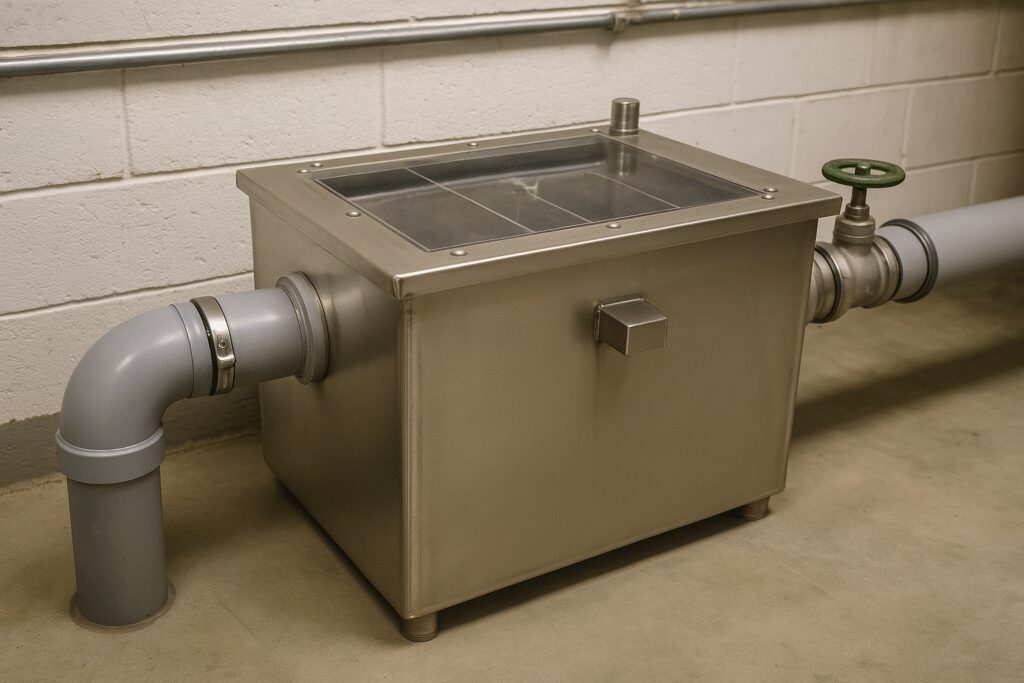
Grease interceptors are essential for commercial kitchens, but many owners and facility managers only focus on cleaning and forget how important it is to understand the layout behind the system. A grease interceptor diagram explains how wastewater moves through each chamber, how fats, oils, and grease separate naturally, and where potential blockages can form. Knowing…
Read MoreCan Custom Grease Trap Design Drawings Prevent Future Maintenance Headaches?
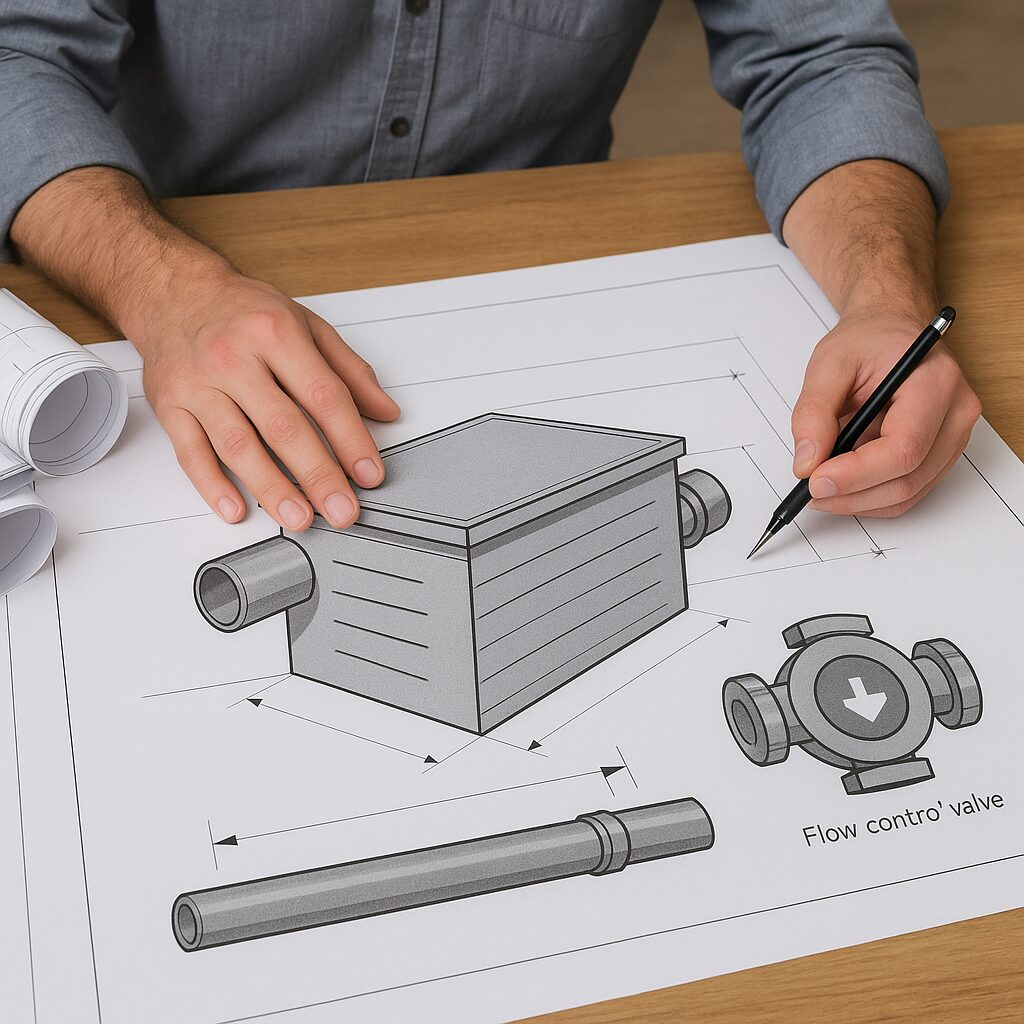
Grease trap design drawings play a major role in preventing issues that often show up later in commercial kitchens. When a system is not designed correctly, problems like blockages, slow drainage, frequent pumping needs, and compliance violations can become part of daily operations, leading to costly repairs and potential project delays. Many commercial kitchens only…
Read MoreHow Does a Flow Control Device in Grease Interceptors Minimize Environmental Risks?
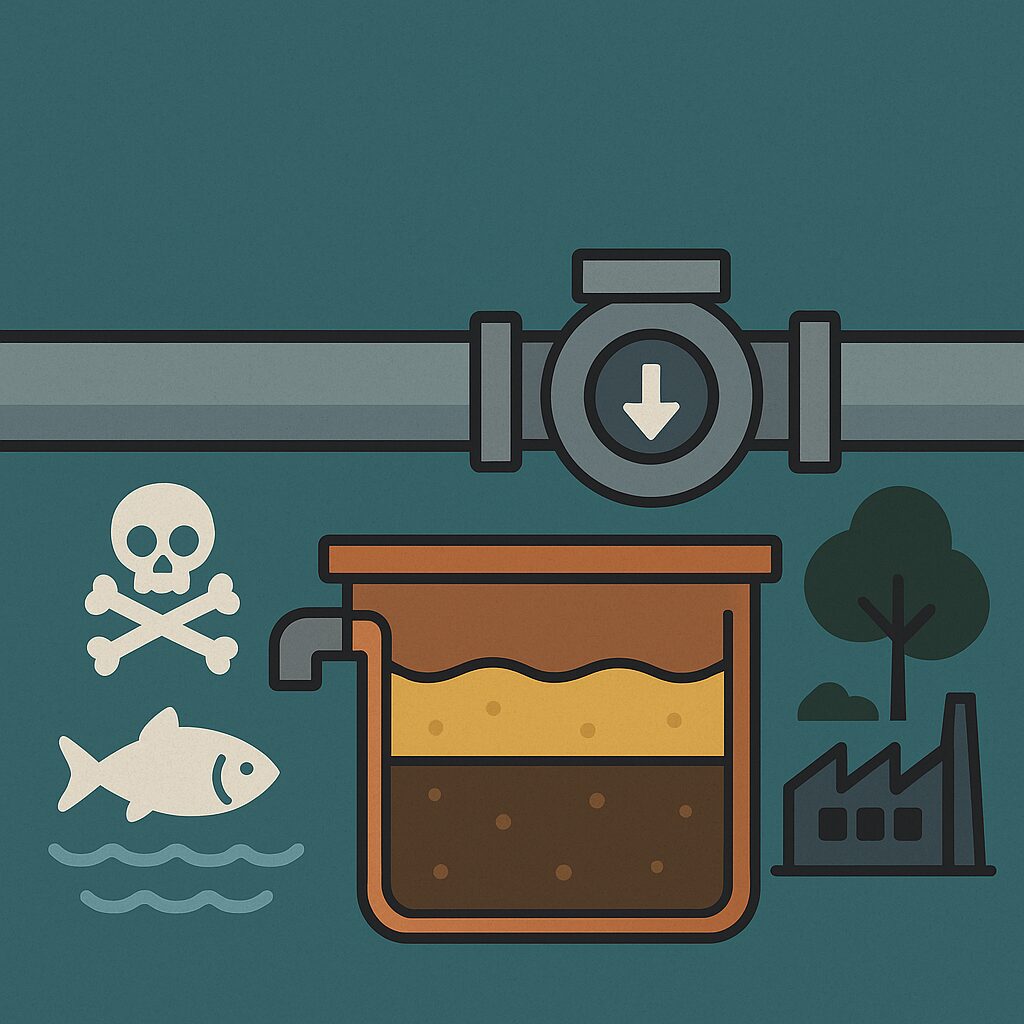
Managing kitchen wastewater properly is one of the most important responsibilities for commercial kitchens, food service establishments, and industrial facilities. A key part of this system is the grease interceptor flow control device, which helps regulate how wastewater enters the interceptor. When used correctly, it protects plumbing systems, supports environmental safety, and ensures compliance with…
Read MoreWhat Risks Do Businesses Face Without Proper Grease Trap Pumping?

A grease trap is one of the most important pieces of equipment in any commercial kitchen, yet it is often the most overlooked. Many businesses delay or skip scheduled pumping simply because the system still “seems” to be working. But when grease trap pumping for businesses is ignored, the risks grow quickly, creating costly problems,…
Read MoreWhat Are the Best Practices for Catch Basin Maintenance?

A well-maintained catch basin plays a crucial role in keeping your drainage system efficient and preventing flooding. Regular catch basin maintenance ensures that water flows smoothly through the system while minimizing environmental hazards and costly repairs. Whether it’s for a commercial property or a municipal system, understanding the best practices for maintenance is key to…
Read MoreThe Critical Benefits of Regular Grease Trap Cleaning

Discover how routine kitchen grease trap cleaning and professional grease pumping can prevent fines, avoid backups, and ensure compliance for your business.
Read MoreThe Importance of Professional Septic Tank Service

Learn why professional septic tank service, from pumping to liquid waste management, is crucial for system longevity and property health.
Read More