
Grease Trap Cleaning
How to Install a Grease Interceptor – What Most Guides Skip

Installing a grease interceptor? It’s a must for any commercial kitchen dealing with heavy grease. Done right, it protects your plumbing and keeps you compliant. This guide walks you through the key steps to a proper installation so your system runs smoothly and blockages stay out of sight. How to install a grease interceptor? Installing…
Read MoreHow to Size a Grease Interceptor – Experts Reveal Secrets

In a commercial kitchen, the right grease interceptor size makes all the difference. Too small, and you risk backups. Too large, and you waste money. This guide walks you through how to size a grease interceptor correctly, covering key factors and why proper installation is a must for smooth kitchen operations. Additionally, understanding grease interceptor…
Read MoreHow Does a Grease Interceptor Work – Learn Before It Clogs

Grease is a big problem in commercial kitchens but grease interceptors solve it. These systems trap fats, oils, and grease before they hit your plumbing, keeping pipes clear and kitchens running smoothly. This guide breaks down how they work, why they matter, and the benefits they bring to any food service setup. How does a…
Read MoreWhat is a Grease Interceptor? Essential for Every Kitchen

Grease interceptors also called grease traps are must-haves in commercial kitchens. They stop fats, oils, and grease from clogging your pipes and harming the environment. In this guide, you’ll learn what they are, how they work, why they matter, and how to keep them running smoothly. What is a grease interceptor? A grease interceptor is…
Read MoreHow to Clean a Grease Interceptor – Fast & Easy Tips

Grease interceptors do the dirty work in commercial kitchens but they need regular cleaning to stay effective. Skip the maintenance, and you risk clogs, odors, and costly repairs. This guide shows you how to clean and care for your grease interceptor to keep your kitchen running smoothly and up to code. How to clean a…
Read MoreHow to Calculate Grease Interceptor Capacity – Smart Way

Running a busy kitchen or food facility? Choosing the right grease interceptor size is crucial. Too small, and you risk clogs and violations. Too big, and you overspend. This guide shows you how to calculate the perfect capacity for your setup—so you stay compliant and keep your plumbing flowing smoothly. How to calculate grease interceptor…
Read MoreHow Frequently Should a Large Outdoor Grease Interceptor Be Maintained

Operating a commercial kitchen? A grease interceptor is more than just helpful, it’s often required. It traps fats, oils, and food waste before they clog your plumbing and cause expensive problems. This guide explains when you need one, the rules to follow, and how it keeps your kitchen running smoothly. How frequently should a large…
Read MoreWhen Is a Grease Interceptor Required? Avoid Legal Trouble
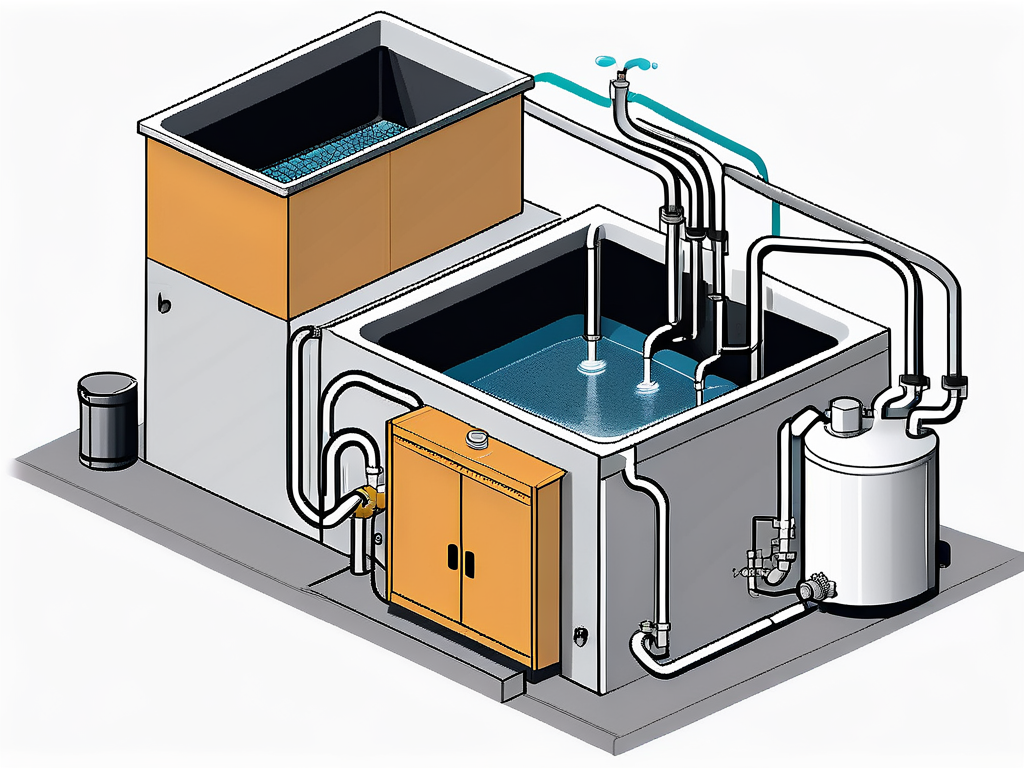
Running a commercial kitchen? A grease interceptor might not be optional. It keeps fats, oils, and food waste out of your plumbing and helps you stay compliant with local regulations. This guide covers when you need one, why it matters, and how it can save your kitchen from costly issues. When is a grease interceptor…
Read MoreHow to Calculate Grease Trap Size – Fast & Accurate Method

Choosing the right size grease trap is crucial for keeping your plumbing running smoothly and meeting local regulations. A well-sized grease trap prevents fats, oils, and grease from clogging pipes and causing damage. In this guide, we’ll walk you through how to calculate the perfect size for your grease trap, tailored to your kitchen’s needs…
Read MoreHow Does a Restaurant Grease Trap Work? Experts Explain Fast
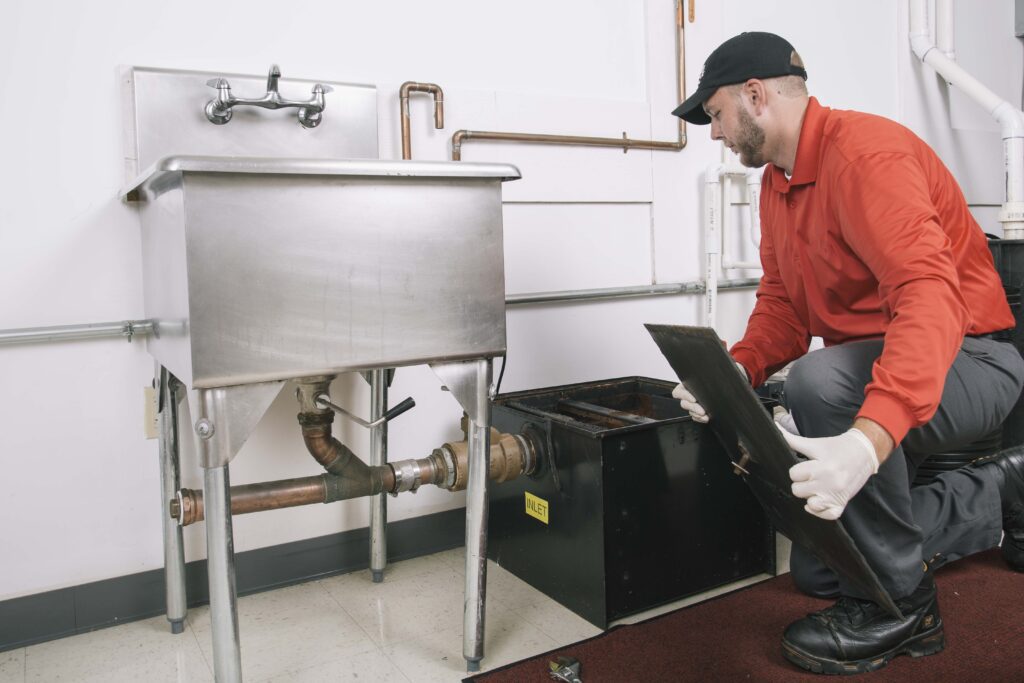
Grease traps are essential for any restaurant to prevent fats, oils, and grease (FOG) from clogging the plumbing and causing costly repairs. Proper maintenance is key to keeping your kitchen running smoothly and meeting local regulations. In this guide, we’ll dive into how grease traps work, why they’re so important, and how to maintain them…
Read More