
Will a French Drain Stop Basement Flooding? Find Out Now
A French drain might just be the solution to your basement flooding woes. By redirecting water away from your foundation it helps keep your basement dry.
If you’re dealing with water buildup, a French drain could be the first step toward a permanent fix.
Let’s dive into how it works.
Will a French Drain Stop Basement Flooding?
Yes, a French drain can effectively stop basement flooding by diverting water away from your foundation, reducing leaks and moisture buildup.
Key Takeaway
- A French drain is an effective solution for preventing basement flooding by redirecting water away from your foundation.
- It’s not a universal fix and requires proper installation and maintenance.
- For optimal results, combine it with other drainage solutions, like sump pumps or yard grading.
What Is a French Drain?
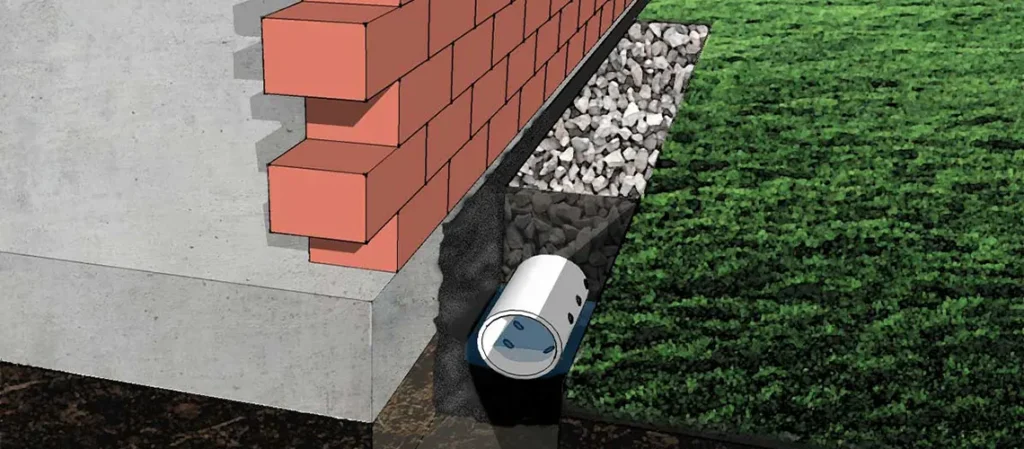
A French drain is your home’s secret weapon against water damage. It’s a trench filled with gravel or rock, with a perforated pipe running through the middle.
When water floods your yard, the drain redirects it away from your foundation, keeping your basement dry.
You’ve probably seen one without realising it—those trenches with pipes tucked in, covered with a layer of soil or grass.
It’s a pretty simple setup, but it’s surprisingly effective at stopping water from pooling in places it shouldn’t be. So, if you’re tired of dealing with soggy floors, a French drain might just be the fix you need.
Causes of Basement Flooding
- Clogged Gutters: Overflowing gutters are a sneaky culprit. When they’re packed with leaves, water spills over and soaks into the foundation, pushing moisture into your basement.
- Poor Yard Drainage: Your yard isn’t just there for curb appeal. If it slopes toward your house, rainwater gets directed right into your basement. Proper grading can stop this flood in its tracks.
- Cracked Foundation: Small cracks can turn into big problems. Water seeps through, flooding your basement even in light rain. A simple fix? Foundation sealing.
- Plumbing Leaks: Leaky pipes don’t just waste water—they can flood your basement. Regular checks can help you spot and fix these leaks before they get out of hand.
- Sump Pump Failure: A sump pump’s job is crucial, but it can fail. Whether due to old age or a power outage, a failed sump pump means standing water. Consider a backup system to stay safe.
How a French Drain Works
A French drain is like your home’s personal bouncer for water. It’s a trench filled with gravel or rock, with a perforated pipe inside.
This pipe collects water from your yard or basement and redirects it elsewhere. When it rains, water flows through the gravel, enters the pipe, and gets carried away, preventing pooling.
Think of it as a cheat code for drainage. Instead of letting water sit and seep into your basement, it channels it out, keeping your space dry. With the right setup, it’s a low-maintenance fix that handles heavy rain like a pro, so you don’t have to.
Will a French Drain Stop Basement Flooding?
A French drain is one of the most effective ways to tackle basement flooding. It redirects water away from your home’s foundation, preventing the buildup that leads to leaks. Think of it like your basement’s personal bodyguard against unwanted water, a reliable property flood mitigation solution that keeps your space dry and protected.
How It Works
French drains consist of a trench filled with gravel or rock and a perforated pipe. Water flows into the trench, then drains away from your home’s foundation.
This keeps moisture from seeping into your basement. If your basement’s been acting like a mini pool during heavy rains, this system can provide a much-needed solution.
Is It a Guarantee?
While a French drain significantly reduces flooding, it’s not a cheat code for every problem. It’s crucial to ensure the system is installed correctly, and it needs regular maintenance.
So, if you’ve got water issues beyond drainage, like foundation cracks, a French drain might not fix everything. However, in most situations—provided you have a proper outlet required for French drain installation—it’s one of the best ways to keep your basement dry and your space usable.
Other Drainage Solutions to Consider
If a French drain isn’t the perfect fit for your basement, there are other options worth checking out.
- Sump Pump System: A sump pump can be your go-to when water builds up in your basement. It collects water in a sump basin and pumps it outside, keeping your space dry and fresh.
- Gutter and Downspout Maintenance: Your gutters and downspouts work hard to direct water away from your foundation. Keeping them clean ensures water doesn’t pool around your home’s base.
- Surface Drains: These are great for preventing water from pooling around your home’s exterior. Positioned strategically, they guide water away from your property and into storm drains or a dry well.
- Grading Your Yard: A slight slope in your yard can make a huge difference. Ensure the ground around your home slopes away to prevent water from flowing towards the foundation.
Maintenance and Care of a French Drain
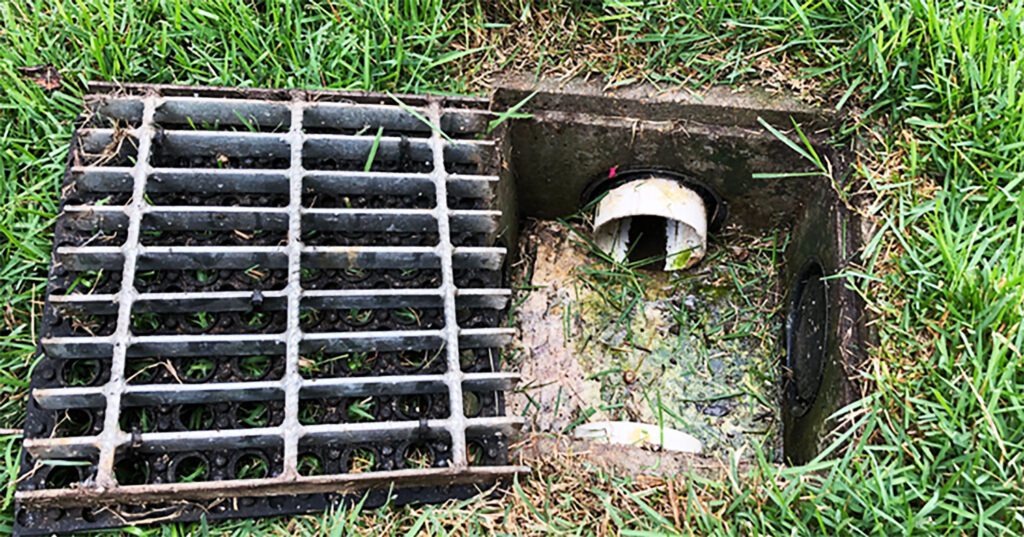
Keep It Clear: Debris can quickly clog your French drain, so clean the inlet and outlet grates regularly. It’s like keeping your pipes flexing – don’t let anything slow them down.
Check for Sags: Over time, the trench can shift, causing low spots where water might collect. Walk the length of your drain after heavy rain to spot any weak spots.
Inspect the Pipes: Look for cracks or blockages in the pipes every year. A quick check can save you from costly repairs later. Keep it tight and flowy.
Frequently Asked Questions
1. Will a French drain stop basement flooding?
A French drain can help redirect water away from your basement, reducing flooding. But it’s not a one-size-fits-all fix. You might need additional measures if your basement’s flooding is caused by other issues, like foundation cracks.
2. How do I know if I need a French drain?
If you’ve got water pooling around your foundation or soggy basement floors, it might be time to consider one. It’s all about preventing water from creeping in where it shouldn’t.
3. How long does a French drain last?
With proper maintenance, a French drain can last for decades. Regular cleaning keeps it working smoothly, so no worries about it failing after a year or two!
Conclusion
If basement flooding is your concern, a French drain is a solid move. It directs water away, giving your basement the protection it needs.
But keep in mind, it’s not a one-size-fits-all fix. Make sure your drain’s installed properly and keep it maintained.
It’s not magic, but it works as the cheat code to keep water out of your basement. Want that peace of mind? Time to make the move.