Why Is Grit Trap Service Important for Commercial Drainage Systems?
Clogged drains. Flooded parking lots. Foul odors near work areas. Emergency shutdowns.
These are not small inconveniences for commercial properties in the USA. They are expensive disruptions that damage reputation, halt operations, and create compliance risks.
The problem often starts underground in a neglected grit trap system. When sediment, sand, and debris build up, your commercial drainage system stops working the way it should. Over time, the damage multiplies.
This is why grit trap service is not optional. It is a core part of responsible wastewater management and facility operations.
If you manage a restaurant, warehouse, manufacturing plant, car wash, or distribution center, understanding the role of grit trap service can save you thousands of dollars in preventable repairs.
What Is a Grit Trap and Why It’s Essential for Drainage Systems
A grit trap is a specialized sediment trap installed in a commercial drainage system. Its purpose is simple. It captures heavy solids like sand, gravel, food particles, and debris before they enter the main sewer line.
Unlike grease traps that capture fats and oils, grit traps focus on heavy inorganic materials. These materials settle at the bottom of the chamber while wastewater flows onward.
While grit traps handle sand and debris, grease systems still require consistent attention. Businesses that schedule Grease trap maintenance in pembroke pines ensure fats and oils are removed before they cause buildup, odors, or drainage issues. Routine maintenance keeps both grit and grease systems functioning properly and supports long term wastewater efficiency.
Without proper sediment removal, these solids continue downstream. That leads to:
- Blocked pipes
- Reduced flow capacity
- Premature pipe wear
- Strain on municipal sewer systems
In busy commercial settings, debris accumulates quickly. Construction sites, commercial kitchens, industrial facilities, and auto service bays all generate heavy sediment.
Routine grit trap service ensures this material is removed before it causes operational problems.
A neglected grit trap becomes a bottleneck. A maintained grit trap system protects your infrastructure.
How Grit Trap Service Prevents Costly Drainage Failures
Let’s talk about risk.
When sediment builds up, water flow slows. Pressure increases inside the pipes. Eventually, the system backs up.
At that point, you are dealing with emergency industrial drainage cleaning instead of routine maintenance.
Here is what regular grit trap service helps prevent:
- Drainage Blockages
Heavy debris solidifies and compacts. Over time, this restricts flow and leads to total blockage. Routine grit trap inspection helps prevent drainage blockages before they escalate. - Flooding and Water Damage
Overflowing drainage systems can flood workspaces and parking areas. Cleanup, downtime, and insurance claims quickly add up. - Regulatory Violations
Many municipalities in the USA have wastewater management requirements. Failing to maintain your sediment trap maintenance schedule can result in fines or compliance issues. - Equipment Damage
Excess sediment strains pumps and downstream systems. That shortens equipment life and increases repair costs.
Professional grit trap pumping removes the heavy buildup safely and completely. This protects your commercial drainage system and keeps operations running smoothly.
Preventive grit trap service costs far less than emergency repairs.
Warning Signs Your Grit Trap Needs Immediate Cleaning
Waiting for a full blockage is a mistake. Your drainage system usually shows warning signs first.
Watch for these indicators:
- Slow draining floor drains
- Standing water near drain covers
- Unpleasant odors near work areas
- Gurgling sounds in pipes
- Increased frequency of minor clogs
If your business produces high sediment waste, you should not rely on symptoms alone. A routine grit trap inspection schedule is essential.
Many businesses underestimate how quickly debris accumulates. A professional grit trap cleaning service can assess buildup levels and recommend a realistic drainage system maintenance plan.
Ignoring early warning signs leads to higher service costs later.
Industries That Rely on Regular Grit Trap Maintenance
Certain industries generate more sediment than others. These facilities depend heavily on scheduled grit trap service to stay compliant and operational.
Industries that typically require routine service include:
- Commercial kitchens and food processing facilities
- Car washes and auto service centers
- Manufacturing plants
- Construction and concrete facilities
- Warehouses with wash-down areas
- Distribution centers
For example, restaurants often need both grit and grease management. In cities like Miami, businesses commonly schedule services such as grease trap cleaning miami to stay compliant while also maintaining sediment traps.
Each facility has different waste output levels. That is why Americlean Pumping recommends customized service intervals based on actual usage, not guesswork.
A tailored approach ensures consistent sediment removal and protects your commercial drainage system long term.
What Happens During a Professional Grit Trap Service Visit
Many property managers are unsure what professional grit trap pumping actually involves.
Here is what typically happens during a service visit:
- Inspection of the Grit Trap System
Technicians assess sediment levels, structural condition, and flow performance. - Pumping and Sediment Removal
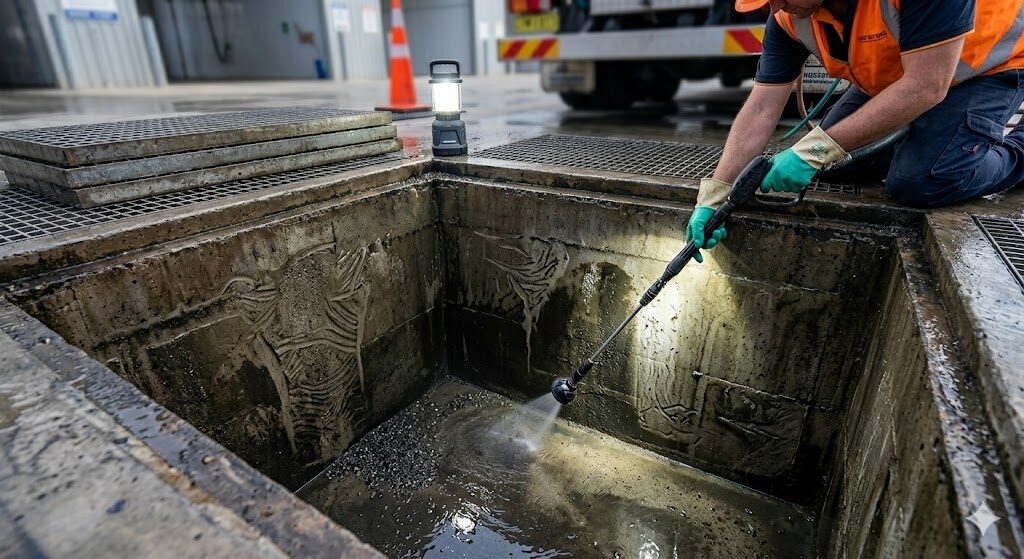
Specialized pumping service equipment removes heavy solids and wastewater from the chamber. - Thorough Cleaning
Residual debris is cleared to restore full capacity. - System Evaluation
The technician checks for cracks, corrosion, or signs of damage. - Documentation
Service records are provided for compliance and maintenance tracking.
A professional grit trap cleaning service uses industrial-grade equipment designed for safe commercial sediment removal. Attempting to handle this internally without proper equipment can create safety hazards and incomplete cleaning.
Regular professional grit trap service ensures the system operates at full capacity.
Long-Term Benefits of Routine Grit Trap Maintenance
Businesses often view maintenance as an expense. In reality, it is protection for your bottom line.
Consistent grit trap service provides long-term benefits such as:
- Extended lifespan of pipes and drainage infrastructure
- Reduced emergency repair costs
- Lower risk of business interruption
- Improved wastewater management compliance
- Better system efficiency
Building a proactive drainage system maintenance plan helps facility managers forecast costs and avoid unexpected failures.
When sediment trap maintenance becomes part of your operational routine, your commercial drainage system performs reliably year after year.
Americlean Pumping works with businesses across the USA to develop service schedules that match operational demands. Preventive grit trap service is about stability, compliance, and operational continuity.
Why Choosing the Right Service Provider Matters
Not all providers offer the same level of expertise.
A qualified provider understands:
- Local wastewater regulations
- Proper sediment removal procedures
- Safe disposal standards
- Equipment requirements for professional grit trap pumping
Americlean Pumping focuses on reliable, compliant, and efficient grit trap service for commercial facilities. With the right equipment and trained technicians, issues are addressed before they become emergencies.
When you invest in professional service, you reduce risk and protect your business operations.
Frequent Ask Questions
A grit trap captures heavy solids such as sand, gravel, and debris before they enter the main sewer line. This protects the commercial drainage system from blockages and damage.
Service frequency depends on the volume of sediment produced. High-output facilities may need monthly service, while others may require quarterly routine grit trap inspection.
Sediment builds up, flow slows, and blockages occur. This can lead to flooding, equipment damage, and regulatory issues related to wastewater management.
Industries such as restaurants, manufacturing plants, car washes, and construction facilities rely heavily on grit trap service due to high sediment output.
Yes. Professional grit trap cleaning service ensures complete sediment removal using specialized pumping service equipment. DIY attempts often leave buildup behind and create safety risks.