What Should You Do If Your Grease Trap Is Overflowing?
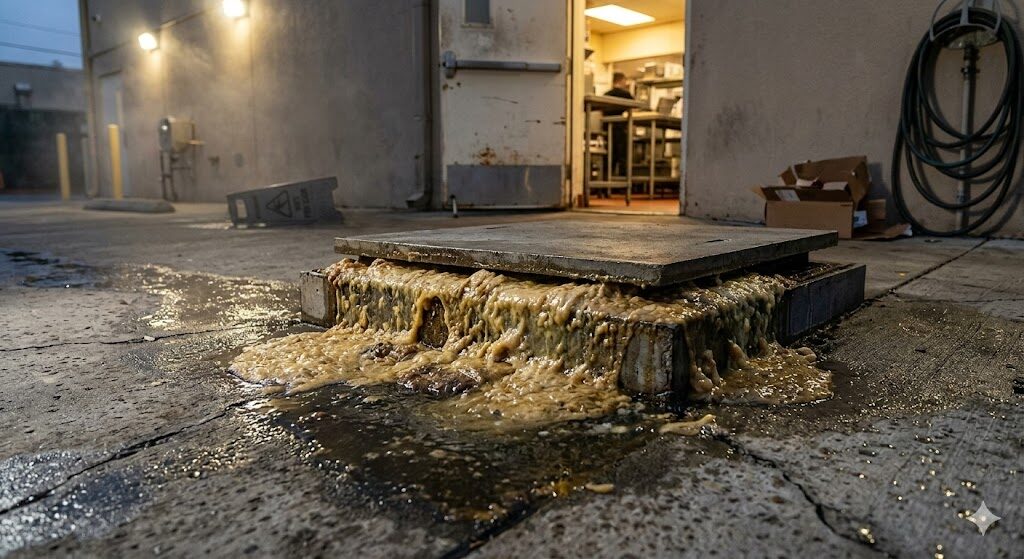
A grease trap overflowing in your facility is more than an inconvenience. It can shut down your kitchen, create health code violations, and damage your plumbing system. For restaurants and food service operations across the USA, a grease trap overflow is a serious operational risk that requires immediate attention.
Americlean Pumping helps businesses respond quickly and prevent repeat issues. Understanding why a grease trap overflowing situation happens and how to handle it can protect your staff, customers, and bottom line.
Grease Trap Overflow: Causes, Risks, and Immediate Concerns
A grease trap system is designed to capture fats, oils, and grease before wastewater enters the sewer line. Over time, grease accumulates inside the trap. If not removed, it leads to a clogged grease trap that cannot function properly.
Common causes of grease trap overflowing include:
- Lack of routine pumping
- Excess food waste entering drains
- Improper grease disposal practices
- Undersized grease trap systems for high volume kitchens
- Blocked outlet pipes requiring drain blockage removal
When a grease trap overflowing issue occurs, wastewater has nowhere to go. It backs up into sinks or floor drains, creating unsanitary conditions. This disrupts commercial kitchen plumbing operations and increases the risk of sanitation compliance violations.
The longer the overflow continues, the greater the risk of structural damage and plumbing failure.
Emergency Steps to Take When Your Grease Trap Overflows
If you notice a grease trap overflowing, act immediately.
First, stop all water use connected to the grease trap system. Turn off dishwashers and sinks to prevent additional wastewater from entering the trap.
Second, restrict access to the affected area. Overflow can create slippery floors and contamination hazards.
Third, avoid using chemical drain cleaners. These products often worsen the issue and can damage pipes.
Next, contact a professional provider for emergency grease trap cleaning. A trained team will use specialized pumping service equipment to remove grease and wastewater safely. In severe cases, an emergency plumbing service may be needed to address deeper blockages or line damage.
Quick action limits damage and reduces downtime. Delaying service increases repair costs and operational disruption.
While quick fixes help, it’s important to understand the main causes of grease trap overflow to prevent recurring issues.
Preventing overflows starts with understanding the importance of grease traps in daily operations.
Warning Signs Your Grease Trap Is About to Back Up
A grease trap overflowing event rarely happens without warning. Watch for these early indicators:
- Slow draining sinks in food preparation areas
- Persistent foul odors near drains
- Gurgling sounds in pipes
- Water pooling around floor drains
- Visible grease in sink water
These signs often indicate buildup inside the grease trap system. Scheduling a grease trap inspection service at the first sign of trouble can prevent grease trap backup and avoid a full restaurant plumbing emergency.
Routine inspections identify developing blockages and support timely grease trap blockage removal before overflow occurs.
The Hidden Dangers of Ignoring Grease Trap Overflow
Ignoring a grease trap overflowing problem can lead to serious consequences.
First, plumbing damage becomes more likely. When grease moves beyond the trap into sewer lines, it hardens and restricts flow. This may require extensive drain blockage removal or pipe replacement.
Second, sanitation compliance violations can result in fines or forced closure. Health inspectors require proper maintenance of grease trap systems to ensure safe wastewater handling.
Third, environmental concerns arise when grease enters municipal sewer systems. Businesses may face penalties for contributing to public sewer blockages.
Finally, financial loss adds up quickly. Downtime, repair costs, emergency grease trap cleaning fees, and potential legal consequences make inaction expensive.
Addressing grease trap overflowing early reduces these risks significantly.
Professional Solutions That Fix Overflow Problems Fast
Americlean Pumping provides a complete grease trap overflow solution designed for commercial facilities.
Professional grease interceptor cleaning removes accumulated fats, oils, sludge, and solids from the trap. Using advanced pumping service equipment, technicians restore proper capacity and flow within the grease trap system.
A thorough grease trap inspection service evaluates internal components, baffles, and outlet lines to ensure the system is functioning correctly.
If grease has entered downstream pipes, grease trap blockage removal and additional drain blockage removal may be necessary to restore full drainage capacity.
For ongoing prevention, businesses can benefit from commercial grease trap maintenance programs tailored to kitchen volume and usage. Learn more about commercial grease trap maintenance at https://americleanpumping.com/commercial-grease-trap-maintenance/.
When immediate action is required, professional emergency grease trap cleaning services help resolve urgent overflow situations quickly. Additional information about emergency grease trap cleaning is available at https://americleanpumping.com/why-emergency-grease-trap-cleaning-needed/.
How Routine Maintenance Prevents Future Overflows
The most effective way to prevent grease trap overflowing is consistent maintenance.
Scheduled professional grease pumping ensures grease levels remain below critical capacity. Most commercial kitchens require service every one to three months, depending on usage.
Regular grease trap inspection service identifies wear, structural damage, or developing clogs early.
Training staff on proper grease disposal practices also plays a role. Limiting food scraps and oil disposal into sinks reduces buildup inside the grease trap system.
Proactive maintenance protects commercial kitchen plumbing, reduces emergency calls, and ensures sanitation compliance. Investing in routine service is far less costly than managing a restaurant plumbing emergency.
Americlean Pumping supports businesses across the USA with dependable service, rapid response, and compliance focused solutions. If your grease trap is overflowing or showing warning signs, immediate professional attention can prevent serious damage.
Frequently Asked Questions
A grease trap overflowing situation is usually caused by excessive grease buildup, lack of routine pumping, food waste accumulation, or blocked outlet pipes. When the trap reaches capacity, wastewater backs up.
Yes. Grease trap overflowing creates unsanitary conditions, slippery floors, and potential health code violations. It can also damage plumbing systems and lead to costly repairs.
Stop using water connected to the grease trap system, restrict access to the area, and contact professionals for emergency grease trap cleaning. Avoid using chemical cleaners that may worsen the problem.
Service frequency depends on kitchen volume. Many commercial kitchens require professional grease pumping every one to three months to prevent grease trap backup and maintain compliance.
Yes. Grease trap overflowing can push grease into sewer lines, leading to hardened blockages that require drain blockage removal or pipe repairs. Prompt professional service helps prevent long term damage.