
What is a Hydromechanical Grease Interceptor? Expert Guide
Grease problems in your kitchen? A hydromechanical grease interceptor might be the solution. It’s a compact, efficient system that traps fats, oils, and grease before they reach your pipes.
This guide breaks down how it works, why it matters, and how it helps protect both your plumbing and the environment.
Even hydromechanical systems require regular grease interceptor service in Pembroke Pines for optimal performance.
What is a hydromechanical grease interceptor?
A hydromechanical grease interceptor uses the force of water to separate grease and oils from wastewater. It’s often used in smaller establishments, offering effective and compact grease management.
Key Takeaways
- Hydromechanical grease interceptors are devices used to separate fats, oils, and grease from wastewater, preventing blockages and damage to the plumbing system.
- These interceptors are commonly used in commercial kitchens, but they can be beneficial in residential settings as well.
- Regular maintenance is essential to ensure that the grease interceptor functions effectively and prevents costly plumbing issues.
What Is a Hydromechanical Grease Interceptor?
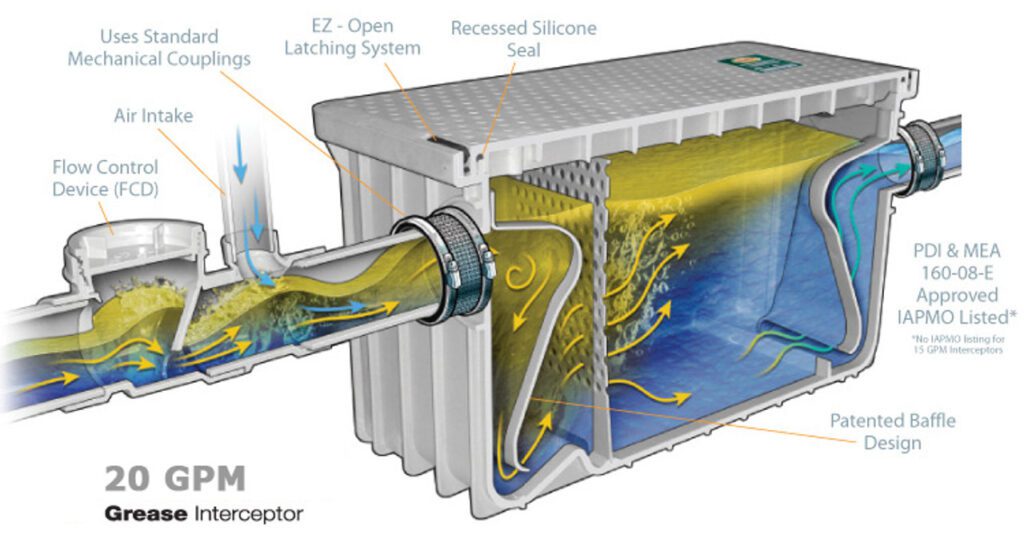
A hydromechanical grease interceptor (HGI) is a type of device that helps to trap grease and oil from wastewater before it enters the public sewer system.
It works by utilizing the natural properties of gravity, buoyancy, and water flow to separate grease from the water.
The interceptor typically consists of a large container or tank that is installed between the grease-producing equipment (like a kitchen sink or dishwashing station) and the wastewater line.
As the wastewater flows through the interceptor, the grease rises to the top, where it is captured and stored, while the cleaner water exits the tank and continues its journey through the plumbing system.
Hydromechanical grease interceptors are often smaller and more compact than their gravity grease trap counterparts, making them suitable for a variety of applications, including smaller restaurants, cafes, and even residential use.
How Does a Hydromechanical Grease Interceptor Work?
The working mechanism of a hydromechanical grease interceptor is straightforward, relying on basic physics principles like density and buoyancy. If you’re wondering how do i choose the right size on-floor grease interceptor, understanding this process makes it easier to see why proper sizing is so important for efficiency. Here’s how it works.
1. Wastewater Entry
The wastewater from sinks, dishwashers, or other plumbing fixtures containing fats, oils, and grease enters the grease interceptor.
This wastewater usually contains food particles, soap, and other substances that are easily separated.
2. Grease Separation
Once the wastewater enters the interceptor, it begins to slow down.
As the water slows, the heavier solids (such as food debris) settle at the bottom of the tank, while the lighter fats, oils, and grease float to the top.
This process takes advantage of the natural buoyancy of grease and oil to separate it from the water.
3. Clean Water Exits
After the grease and solids are separated, the cleaner water flows out of the interceptor and into the drainage system.
This water is now free from the majority of fats and oils, reducing the risk of clogging and contamination in the public sewer lines.
4. Collection of Grease
The grease that floats to the top of the interceptor is collected and stored in the tank.
Over time, this grease will accumulate, and it will need to be removed regularly to ensure the interceptor continues to function properly.
Benefits of Using a Hydromechanical Grease Interceptor

Hydromechanical grease interceptors offer several advantages, particularly for establishments that need to manage grease and oil from kitchen activities.
Below are some key benefits of using an HGI:
1. Prevents Plumbing Issues
One of the main benefits of a grease interceptor is its ability to prevent grease from entering the plumbing system.
When grease and oil build up in the pipes, they can cause serious blockages, leading to costly repairs and potential health hazards.
A grease interceptor ensures that fats and oils are separated and captured before they can damage the plumbing system.
2. Reduces Sewer System Strain
By removing grease and oil from wastewater, HGIs help to prevent blockages in the public sewer system.
Grease can accumulate in sewer lines, causing backups, overflows, and even sewer system failures.
By installing an interceptor, you’re helping to reduce the strain on local infrastructure, keeping the public sewer system functioning properly. To ensure it continues to work efficiently, regular maintenance is essential—this is where professional grease interceptor cleaning services in Fort Lauderdale come in.
3. Environmentally Friendly
By capturing grease and oils before they enter the sewer system, hydromechanical grease interceptors help protect local waterways from contamination.
Grease and oil can cause water pollution, harm aquatic life, and lead to costly environmental cleanup efforts.
Using an interceptor reduces your environmental impact and helps promote sustainability.
4. Cost Savings
Preventing grease-related plumbing issues can save you significant money in the long run.
Regular maintenance of your grease interceptor ensures that it continues to function efficiently, reducing the risk of expensive plumbing repairs.
Additionally, many municipalities offer incentives for businesses that use grease interceptors, as it helps to protect the public sewage system.
Frequently Asked Questions
1. How often should I clean my hydromechanical grease interceptor?
The grease interceptor should be cleaned every 1-3 months, depending on usage. Regular cleaning ensures the system continues to function effectively and avoids blockages.
2. Can I install a grease interceptor in my home?
Yes, if your home produces a significant amount of grease or oil, you can install a grease interceptor to prevent plumbing issues. Consult with a professional plumber for installation.
3. What happens if I don’t maintain my grease interceptor?
Failure to maintain your grease interceptor can lead to blockages, foul odors, and damage to the plumbing system. It may also lead to environmental damage and potential fines from local authorities.
Conclusion
Hydromechanical grease interceptors play a crucial role in maintaining the efficiency of plumbing systems and protecting the environment.
By effectively capturing fats, oils, and grease, these systems prevent blockages, reduce strain on municipal sewer systems, and help safeguard local waterways from contamination.
Regular maintenance is key to ensuring the system functions properly and lasts for years to come.
Whether you’re operating a commercial kitchen or maintaining a residential property, understanding the importance of a grease interceptor and how it works can help you avoid costly plumbing issues and environmental damage.
Always consult a professional for installation and maintenance to ensure your grease interceptor remains in top condition.