

French drain cleaning Plantation homeowners look for usually comes down to one culprit: roots. Plantation is one of Broward County's oldest established residential cities, developed from the 1950s through the 1990s, and its Live Oaks, Laurel Oaks, and strangler figs are now 40 to 60 years old with root systems that have had decades to spread. When those roots reach a French drain's perforated pipe, drainage that used to work fine slows to a crawl.
The City itself has had to deal with this. A tree-planting program from about 20 years ago planted large canopy trees along residents' swales, and those trees have since outgrown their space, so the City is now removing some because their roots interfere with the swale's ability to handle stormwater. If mature roots can compromise a public swale, they can just as easily choke a French drain in a private yard. Ameri-Clean Pumping has spent more than 20 years clearing exactly this kind of blockage across South Florida.
Below, you'll find how French drains protect Plantation properties, warning signs to watch for, our process, and how to schedule service.
How French Drain Cleaning Helps Protect Plantation Properties
A French drain only works if water can actually reach the perforated pipe and travel through it. Cleaning keeps that possible, which helps:
- Clear root intrusion before it fully blocks the pipe, especially in older neighborhoods with mature canopy trees
- Move groundwater and runoff away from the foundation instead of letting it collect in the yard
- Prevent soggy patches near driveways, patios, and low areas common in older lots
- Protect properties near the C-11 Canal corridor, where drainage systems already work harder due to nearby water tables
- Keep the system doing its job through Broward County's full rainy season, not just the first storm of it
Plantation's canopy is one of its defining features, but it's also why French drains here need more frequent attention than they might in a newer, less landscaped city.


Warning Signs Your French Drain May Need Attention
- Water pooling in the yard well after rain has stopped
- A soggy, spongy patch of lawn that never fully dries
- Slower drainage near mature trees or established landscaping
- Visible roots at any accessible section of pipe
- A musty smell rising from the drain or nearby soil
- No cleaning on record since the system was installed, especially in homes over 20 years old
French Drain Cleaning Services for Plantation Properties
French Drain Cleaning
We clear the perforated pipe and gravel of root intrusion, sediment, and debris.
French Drain Inspection
We check accessible sections of pipe and the outlet for blockages or root growth.
Root Intrusion Removal
Roots that have worked into the pipe get cleared without damaging the drain.
Debris and Sediment Removal
Soil, mulch, and organic debris that settle into the gravel bed are flushed and extracted.
Are tree roots slowing down your drainage? Request a Service Now
A Look at Our French Drain Cleaning Process
Initial Inspection
We locate the drain's path and outlet and check for root intrusion along the way.
Flushing and Extraction
We flush the pipe and extract loosened roots, sediment, and debris.
Clearing the Outlet
We confirm the discharge point is clear, since a blocked outlet undermines the whole system.
Final Check
We test the drain to confirm water is moving through it properly.
Not sure how much root growth is in your line? Request a Service Now
French Drain Maintenance & Drainage Tips for Plantation
- Inspect drains more often near mature Live Oaks, Laurel Oaks, or strangler figs, the most common cause of blockages here
- Avoid planting new trees directly over a French drain's path
- Watch low spots after Broward County's heaviest rainy season storms, typically June through November
- Keep mulch and soil from piling directly over the drain's gravel bed
- Have systems older than 15 to 20 years inspected proactively rather than waiting for standing water
Advantages of Keeping Your French Drain System Clean
- Fewer soggy patches around mature landscaping
- Reduced risk of root damage spreading further into the pipe
- A drainage system that keeps pace with the rainy season instead of falling behind
- Protection for driveways, patios, and foundations from prolonged moisture
- Confidence that a decades-old system is still doing its job





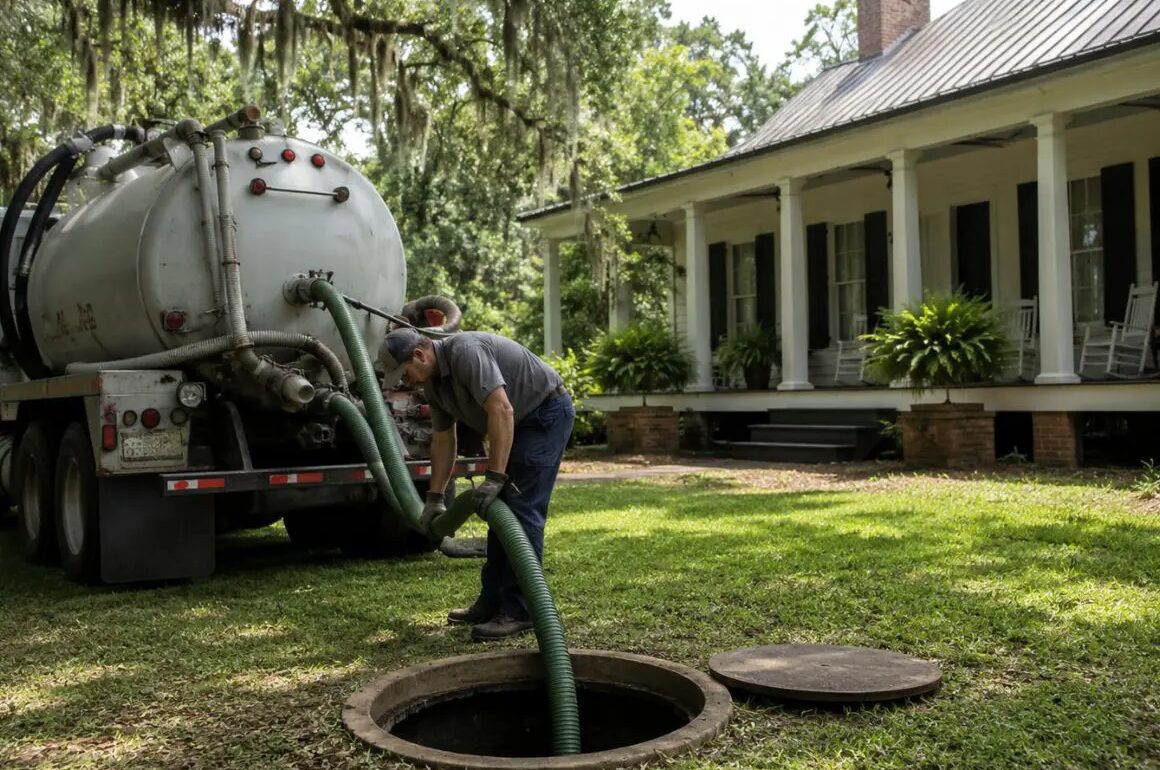
Why Plantation Property Owners Choose Ameri-Clean Pumping
- 20+ years of experience clearing drainage systems across South Florida
- Specific experience with root intrusion in older, heavily landscaped neighborhoods like Plantation's
- Equipment suited to flushing and extracting from narrow perforated pipe without damaging it
- The same thorough process on every visit, regardless of the system's age
- Reliable, around-the-clock availability when a yard stops draining
Schedule French Drain Cleaning Services in Plantation
Ameri-Clean Pumping is available around the clock to help Plantation properties clear root intrusion and restore drainage. With more than 20 years serving South Florida, we know how decades-old canopy trees affect a French drain and what it takes to fix it.
Don't let root growth turn into standing water or foundation trouble. Contact us today and schedule French drain cleaning in Plantation.
Ameri-Clean Pumping Miami
Hours:
| Thursday | Open 24 hours |
| Friday | Open 24 hours |
| Saturday | Open 24 hours |
| Sunday | Open 24 hours |
| Monday | Open 24 hours |
| Tuesday | Open 24 hours |
| Wednesday | Open 24 hours |
Areas We Serve Near Plantation
In addition to Plantation, Ameri-Clean Pumping provides French Drain Cleaning throughout the surrounding areas:
Frequently Asked Questions
What Is a French Drain, and What Does It Do in a Plantation?
A gravel-filled trench with a perforated pipe that redirects groundwater and runoff away from a foundation or low area, common in Plantation's older, established neighborhoods.
How Does a French Drain Work in a Plantation?
Water seeps through the gravel into the perforated pipe, which carries it by gravity to a discharge point, though decades of root growth from mature canopy trees can slow that process significantly.
Why Is It Called a French Drain?
It's named for Henry French, a 19th-century Massachusetts judge and farmer who described the design in his 1859 book on farm drainage, not for France.
How Deep Should a French Drain Be in a Plantation?
Most residential French drains sit between 8 inches and 2 feet deep, though depth can vary with nearby tree roots and soil conditions on older lots.
How Much Does French Drain Installation or Cleaning Cost in Plantation?
Cost depends on length, depth, and how much root intrusion or sediment has built up. Cleaning an existing system is almost always less expensive than replacing one that has been damaged by untreated root growth.