
Posts by Oscar Vinces
What Factors Determine How Often a Grease Trap Needs Cleaning?

Every restaurant owner has heard it before: Clean your grease trap regularly. But what does “regularly” actually mean for your specific kitchen? Monthly? Every three months? The honest answer is that it depends on several factors unique to your operation. Understanding how often grease traps should be cleaned isn’t just about following a general rule.…
Read MoreWhen Does a French Drain Need Cleaning? Common Warning Signs

You installed a French drain to solve a water problem, and for a while, it worked perfectly. But lately, things feel off. Water is pooling where it shouldn’t, and your yard isn’t draining the way it used to. You’re not imagining it. French drain problems are more common than most property owners realize, and they…
Read More7 Common Warning Signs of Storm Drain Blockages

Living in South Florida, you know better than anyone how fast a rainstorm can go from manageable to messy. One minute, the sky opens up, and the next, water is pooling around your parking lot, flooding your driveway, or creeping toward your building’s foundation. What most property owners don’t realize is that the signs storm…
Read More7 Warning Signs Your Commercial Grease Trap Needs Immediate Cleaning

If you run a commercial kitchen, you already know how demanding daily operations can be. Between managing staff, keeping up with orders, and maintaining food safety standards, the grease trap is often the last thing on anyone’s radar until something goes wrong. Here’s the truth: most grease trap problems don’t happen without warning. The signs…
Read MoreHow Often Should You Maintain Your Catch Basin?

Drainage problems rarely appear overnight. Many property owners first notice small puddles, slow drainage, or overflowing stormwater during heavy rain before realizing the catch basin is already clogged. Understanding how often you should maintain your catch basin helps prevent flooding, drainage failures, and expensive property damage. Routine maintenance keeps drainage systems operating properly throughout the…
Read MoreBest Gravel Size for French Drains: What You Need to Know

Water pooling around your property can become frustrating quickly. Many homeowners and property managers deal with soggy yards, foundation moisture, and drainage issues after heavy rainfall. Understanding the best gravel size for french drains helps improve drainage performance and prevents long-term water damage problems. Choosing the right gravel size can improve water flow, extend drainage…
Read MoreHow a Concrete Catch Basin Improves Drainage Around Your Property?

Standing water around a property can quickly turn into a serious drainage problem. Flooded parking lots, soggy landscaping, and water pooling near foundations often create expensive maintenance issues over time. That is why understanding how a concrete catch basin improves drainage is important for protecting both residential and commercial properties. Proper drainage solutions help control…
Read MoreWhy Grease Trap Maintenance Is Essential for Commercial Kitchens?

Commercial kitchens already operate under constant pressure every day. Busy cooking schedules, nonstop sink usage, and heavy grease production can quickly create plumbing problems behind the scenes. That is why grease trap maintenance plays such an important role in keeping kitchens clean, compliant, and fully operational. Routine maintenance helps businesses avoid expensive plumbing repairs, foul…
Read MoreHow a French Drain System Protects Your Property from Water Damage?
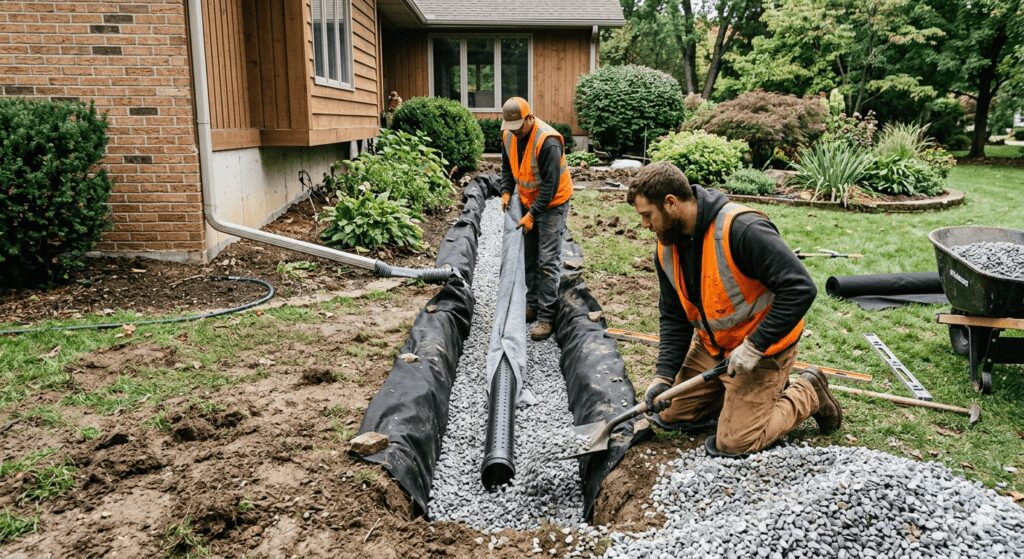
Water pooling around your property after heavy rain is frustrating for any homeowner or business owner. A failing drainage system can slowly damage landscaping, weaken foundations, and create long-term moisture problems. That is why understanding how a french drain system works is important for protecting your property from costly water damage. A properly installed drainage…
Read MoreHow Often Should a Grease Interceptor Be Cleaned?
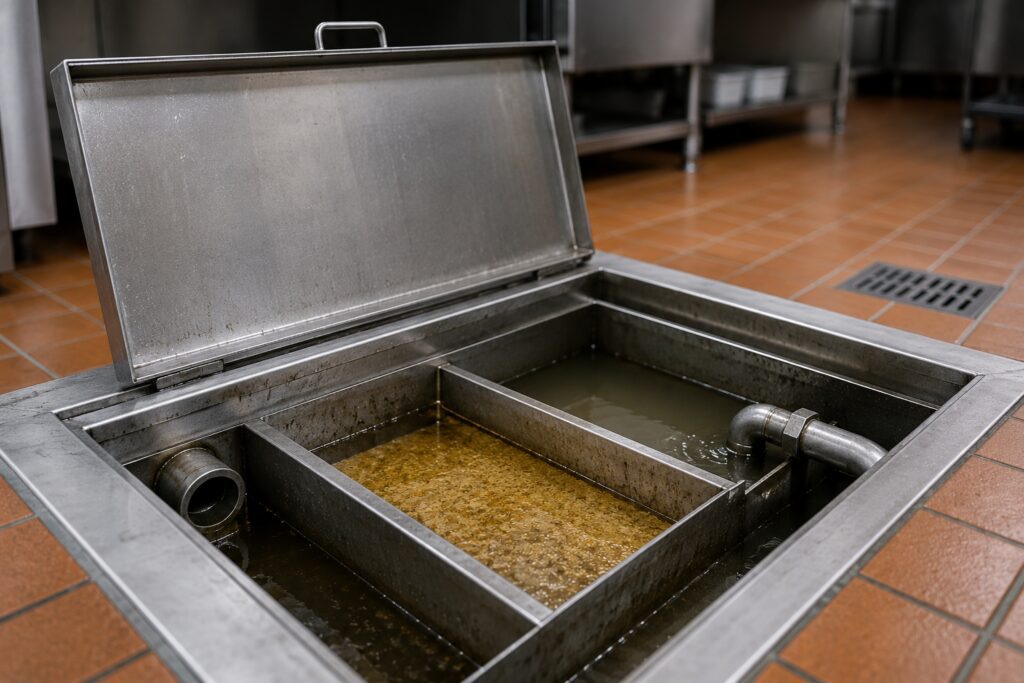
Commercial kitchen owners already deal with enough daily pressure. Slow drains, foul odors, and plumbing backups are the last problems anyone wants during busy service hours. That is why understanding how often a grease interceptor should be cleaned is important for maintaining smooth kitchen operations and avoiding costly interruptions. Regular interceptor cleaning helps prevent emergency…
Read More