
How Grease Trap Replacement Improves Kitchen Efficiency
A commercial kitchen depends on speed, cleanliness, and reliable plumbing to operate smoothly every day. When drains slow down, grease buildup increases, or recurring plumbing issues interrupt workflow, the problem often points back to an outdated or failing grease trap. Many restaurant owners continue repairing the same system repeatedly without realizing that replacement may be the more effective long term solution. Taking action early with requesting a service now can help prevent larger operational and plumbing issues before they affect your kitchen performance.
Grease traps play a major role in separating fats, oils, and grease from wastewater before those materials enter the drainage system. When the trap becomes damaged, undersized, or overloaded, efficiency throughout the kitchen begins to decline. Replacing an outdated grease trap helps improve drainage flow, reduce downtime, support sanitation standards, and create a smoother working environment for kitchen staff.
Why Older Grease Traps Create Operational Problems
Many commercial kitchens continue using grease traps long after the system has stopped functioning efficiently. While the unit may still collect some grease, older systems often struggle to keep up with the demands of modern food service operations.
Over time, grease buildup hardens inside the trap and connected pipes, reducing the system’s capacity. Internal components may also wear down, crack, or become damaged from constant exposure to waste and moisture. As efficiency decreases, kitchens begin experiencing recurring drainage issues and unpleasant odors.
Restaurants that expand operations or increase food production often outgrow their existing grease trap system as well. A unit designed years earlier may no longer handle the daily volume of wastewater effectively.
When this happens, grease begins moving into the plumbing system, leading to larger drainage and sanitation concerns.
How Grease Trap Replacement Improves Daily Workflow
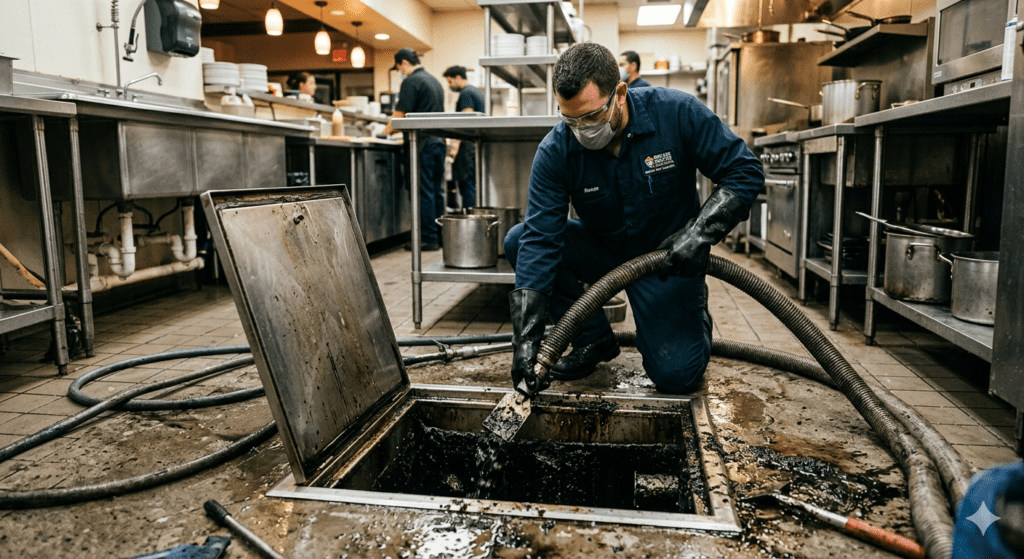
An efficient kitchen depends on reliable drainage. When sinks drain slowly or plumbing backups interrupt food preparation, staff productivity immediately suffers. Replacing a failing grease trap restores proper water flow and helps the kitchen operate without constant interruptions.
Improved drainage allows employees to clean dishes, prep stations, and cooking equipment more efficiently throughout busy service hours. Faster water flow also reduces standing water near sinks and floor drains, helping maintain safer work conditions.
New grease trap systems are designed to handle modern kitchen demands more effectively. Many newer models offer improved grease separation performance, larger capacity, and better overall drainage efficiency.
A properly functioning grease trap supports smoother operations across the entire kitchen environment.
Common Signs That a Grease Trap Needs Replacement
Many restaurant owners attempt repeated repairs before considering replacement. While maintenance is important, some systems eventually become too worn or inefficient to perform properly.
Several warning signs may indicate that replacement is necessary.
Common indicators include:
- Frequent drain backups
- Strong odors near drains or sinks
- Grease overflowing into plumbing lines
- Slow drainage across multiple fixtures
- Recurring grease trap pumping needs
- Visible cracks or structural damage
If these problems continue even after routine cleaning, the grease trap itself may no longer be functioning correctly.
Replacing the system early often costs less than dealing with repeated plumbing emergencies and operational downtime later.
Why Grease Trap Efficiency Matters for Restaurants
Grease traps directly affect how well a commercial kitchen handles wastewater. When the system functions properly, grease and food waste are separated before entering the plumbing infrastructure. This protects drain lines from buildup and reduces stress on the overall system.
An inefficient grease trap allows more fats, oils, and grease to enter the pipes. Over time, this creates blockages that slow drainage and increase the risk of plumbing failures.
Kitchen efficiency also depends heavily on sanitation and cleanliness. Poor drainage conditions create unpleasant odors and standing water that affect both employees and customers. Replacing an outdated grease trap helps maintain a cleaner and more professional kitchen environment.
Restaurants that maintain efficient wastewater systems experience fewer disruptions and lower long term maintenance costs.
How Replacement Helps Prevent Plumbing Emergencies
One of the biggest advantages of grease trap replacement is reducing the risk of unexpected plumbing emergencies. Older systems often fail during high demand periods when wastewater volume increases rapidly.
A blocked or overloaded grease trap can quickly lead to overflowing drains, kitchen shutdowns, and expensive emergency service calls. In some cases, backups may affect multiple areas of the property simultaneously.
Installing a properly sized replacement system improves wastewater handling capacity and reduces strain on the plumbing infrastructure. This helps prevent grease buildup from spreading deeper into underground pipes.
Preventive replacement is often far more affordable than emergency plumbing restoration and business interruption costs.
Modern Grease Traps Support Better Compliance
Health and sanitation regulations require commercial kitchens to manage grease waste properly. Older or failing systems may struggle to meet modern compliance standards, especially if grease escapes into the sewer system.
Local authorities may issue warnings or fines when grease management systems fail to operate correctly. Overflowing grease traps also create sanitation risks that can affect inspections and overall restaurant operations.
New grease trap systems are designed with updated performance standards that improve wastewater separation and overall system reliability. Replacing outdated equipment helps businesses stay compliant while reducing environmental and plumbing risks.
Working with experienced professionals like Ameri-Clean Pumping helps ensure the replacement process is handled properly and according to local requirements.
Benefits of Replacing an Undersized Grease Trap
Some restaurants experience ongoing drainage issues because the grease trap was never properly sized for the kitchen’s actual wastewater volume. As operations grow, the system becomes overwhelmed more frequently.
Replacing an undersized grease trap with a larger and more efficient unit provides several operational benefits:
- Better grease separation performance
- Reduced drain blockages
- Improved wastewater flow
- Lower maintenance frequency
- Reduced emergency repair costs
- Increased kitchen productivity
A properly sized system supports long term kitchen efficiency while reducing strain on plumbing infrastructure.
Why Professional Installation Matters
Grease trap replacement is not simply a matter of swapping one unit for another. Proper sizing, placement, plumbing integration, and compliance all play a major role in system performance.
Professional installation ensures the replacement system matches the kitchen’s operational demands and local plumbing requirements. Experienced technicians also inspect surrounding drainage components to identify any additional issues that could affect performance.
Improper installation may reduce system efficiency and lead to recurring plumbing problems even after replacement. Working with trained professionals helps ensure reliable long term operation.
Restaurants that invest in proper installation often experience smoother drainage performance immediately after the upgrade.
Long Term Financial Benefits of Replacement
Many restaurant owners hesitate to replace grease traps because of upfront costs. However, continuing to operate with a failing system often creates greater long term expenses.
Recurring drain cleaning, emergency repairs, plumbing backups, and operational downtime quickly add up. Older systems also require more frequent pumping and maintenance due to reduced efficiency.
Replacing the grease trap helps reduce ongoing repair costs while improving kitchen productivity and drainage performance. It also extends the lifespan of connected plumbing infrastructure by reducing grease buildup inside the pipes.
In many cases, replacement becomes a smart financial decision that protects the business long term.
Conclusion
An outdated grease trap can quietly reduce kitchen efficiency long before a major plumbing failure occurs. Slow drains, recurring backups, unpleasant odors, and constant maintenance are all signs that the system may no longer be performing properly.
Replacing a failing grease trap improves wastewater flow, protects plumbing infrastructure, supports compliance, and creates a cleaner working environment for kitchen staff. Investing in a modern and properly sized system helps restaurants avoid disruptions while improving overall operational performance.
If your kitchen continues experiencing drainage problems despite regular maintenance, now may be the right time to schedule service and evaluate whether a grease trap replacement is the best long term solution. Ameri-Clean Pumping provides professional grease trap services designed to keep commercial kitchens operating efficiently and safely.
Frequently Asked Questions:
Grease traps may require replacement due to age, structural damage, reduced efficiency, or increased kitchen wastewater demand.
A new system improves drainage flow, reduces backups, and supports smoother kitchen operations during busy service hours.
Common signs include slow drains, strong odors, frequent backups, grease overflow, and repeated maintenance issues.
Yes. Proper grease separation reduces buildup inside pipes and lowers the risk of plumbing emergencies.
Lifespan depends on usage and maintenance, but many systems eventually require replacement after years of heavy operation.
Yes. Proper sizing and installation are important for system performance and regulatory compliance.
Yes. An undersized system may become overloaded quickly and lead to recurring drainage problems.
Ameri-Clean Pumping provides professional grease trap replacement and maintenance solutions for commercial kitchens.