
Why Storm Drain Cleaning Is Essential for Preventing Flooding
Heavy rain should not turn your parking lot, driveway, or commercial property into a flooded mess. Yet many property owners face standing water, blocked drains, and expensive water damage every year because storm drains are neglected for too long. In most cases, the issue begins with buildup hidden inside the drainage system. Dirt, trash, leaves, grease, and sediment slowly collect over time, reducing the system’s ability to move water efficiently. Taking early action through request service now can help property owners avoid larger drainage problems before severe weather arrives.
Storm drain cleaning is not just a maintenance task. It is a preventive solution that protects buildings, walkways, parking lots, and underground drainage systems from unnecessary stress and flooding. Whether you manage a commercial facility, restaurant, apartment complex, or industrial property, keeping storm drains clean helps maintain safe conditions and reduces the risk of costly repairs.
Flooding Problems Usually Start Underground
Most flooding problems do not begin during the storm itself. They start weeks or months earlier when debris begins collecting inside storm drains and catch basins. As water flows through the system, sediment settles at the bottom while leaves, trash, and outdoor debris collect around drain openings.
Over time, the blockage grows larger and water flow becomes restricted. During heavy rainfall, the system can no longer handle the volume of water entering the drains. Instead of moving away from the property, water starts pooling on the surface.
This problem is common in commercial areas where parking lots, sidewalks, and roadways collect debris daily. Without regular cleaning, the drainage system slowly loses efficiency until flooding becomes unavoidable.
How Storm Drain Cleaning Helps Prevent Flood Damage
Storm drain cleaning removes the buildup that restricts water flow and prevents drainage systems from functioning properly. Once debris is cleared, rainwater can move through the system more efficiently during storms.
A clean storm drain system helps:
- Prevent standing water around buildings
- Reduce pressure on underground pipes
- Minimize erosion near foundations
- Protect parking lots and pavement
- Improve overall drainage performance
When drains remain clear, water moves away from the property instead of collecting in low areas. This reduces the chances of water entering buildings or damaging landscaping and pavement.
Regular maintenance also helps identify small issues before they become expensive emergencies.
Signs Your Storm Drains Need Immediate Cleaning
Many drainage systems show warning signs before major flooding occurs. The problem is that these signs are often ignored until the situation becomes severe.
One of the first indicators is slow drainage during rainfall. Water may begin pooling around storm drains instead of flowing directly into the system. Some properties notice overflowing catch basins even during moderate storms.
Other warning signs include unpleasant odors coming from drains, visible debris buildup near openings, or repeated flooding in the same areas after rain. These are clear signals that the drainage system is struggling to function properly.
Ignoring these issues increases the likelihood of emergency flooding during heavy weather conditions.
The Hidden Costs of Neglecting Storm Drains
Some property owners postpone storm drain cleaning because the system appears to be functioning normally on the surface. However, waiting too long often creates much larger expenses later.
Floodwater can damage pavement, weaken concrete, and erode surrounding landscaping. In commercial settings, standing water also creates safety hazards for employees and customers. Slippery surfaces and blocked walkways increase liability risks significantly.
There are also operational concerns. Flooded parking areas can limit customer access and disrupt business activity. Water intrusion inside buildings may damage equipment, flooring, and inventory.
Routine cleaning costs far less than emergency repairs, property restoration, or drainage system replacement.
Commercial Properties That Benefit Most From Regular Cleaning
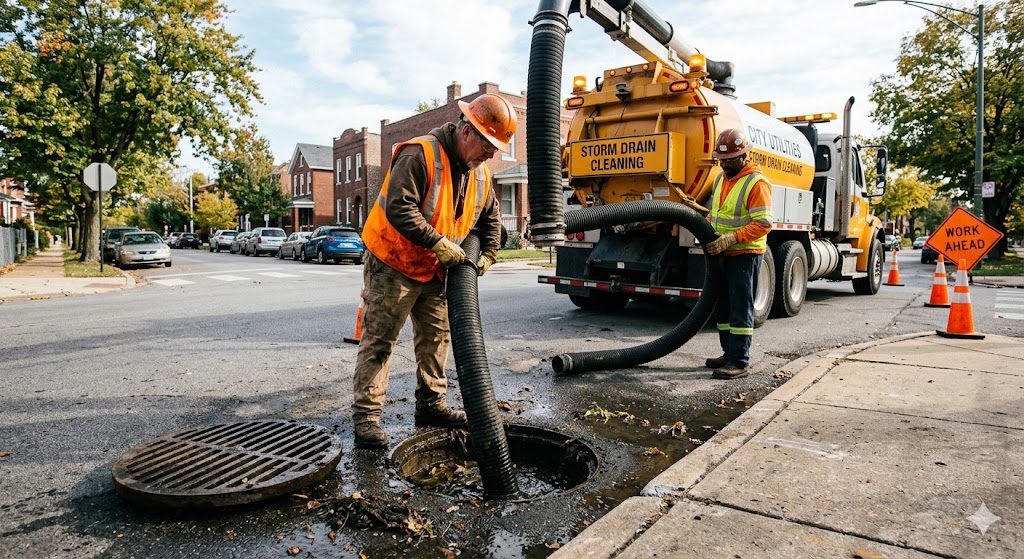
While every property should maintain its drainage system, some locations require more frequent storm drain cleaning because of higher runoff and debris exposure.
Commercial properties that often need routine maintenance include:
- Restaurants and food service facilities
- Shopping centers and retail plazas
- Apartment complexes
- Warehouses and distribution centers
- Office parks
- Industrial facilities
These properties experience high traffic volumes and constant exposure to outdoor debris. During storms, blocked drains can quickly create flooding that affects operations and customer safety.
Businesses that invest in preventive maintenance experience fewer drainage failures and more reliable stormwater management throughout the year.
What Happens During Professional Storm Drain Cleaning
Professional storm drain cleaning involves much more than removing leaves from the surface. Trained technicians inspect the entire drainage system to identify buildup, sediment accumulation, and hidden blockages.
Specialized vacuum and jetting equipment is used to clear underground pipes and remove debris from catch basins. This process restores proper water flow and helps improve drainage efficiency across the property.
Professionals also evaluate the condition of drainage components during the service. Cracked pipes, collapsed sections, and structural damage can often be identified early before they become major issues.
Working with experienced providers like Ameri-Clean Pumping helps ensure the drainage system receives complete and effective maintenance.
Why Preventive Maintenance Matters Year Round
Many people only think about storm drains during hurricane season or heavy rainfall. In reality, drainage systems collect debris year round. Leaves fall during seasonal changes, dirt enters drains during landscaping work, and trash accumulates daily around commercial properties.
Preventive maintenance keeps the system prepared before severe weather arrives. Instead of reacting to emergencies after flooding occurs, routine cleaning allows property owners to stay ahead of problems.
Benefits of preventive storm drain maintenance include:
- Improved drainage efficiency
- Reduced emergency repair costs
- Longer lifespan for drainage infrastructure
- Safer walkways and parking lots
- Better property appearance
Consistent maintenance also helps property managers budget for predictable service rather than unexpected repair costs.
Choosing the Right Drainage Service Provider
Not every drainage service company provides the same level of expertise and equipment. Choosing the right provider makes a major difference in long term system performance.
An experienced company understands how stormwater systems operate and knows how to identify hidden drainage issues before they escalate. Professional equipment allows technicians to remove deep sediment buildup and restore full drainage capacity safely.
Property owners should look for providers that offer routine maintenance programs, system inspections, and emergency response services. Reliable support helps reduce downtime and ensures drainage systems remain prepared during severe weather.
Conclusion
Storm drain cleaning plays a major role in preventing flooding and protecting commercial and residential properties from water damage. When drains become blocked with debris and sediment, rainwater has nowhere to go. The result is standing water, flooding, and expensive infrastructure damage that could have been avoided through regular maintenance.
Keeping storm drains clean improves water flow, protects underground drainage systems, and reduces long term repair costs. Preventive maintenance is one of the smartest investments property owners can make to maintain safe and efficient drainage year round.
If your property experiences standing water, slow drainage, or recurring flooding during storms, now is the right time to schedule service before the problem becomes more serious.
Frequently Asked Questions:
Storm drain cleaning removes debris and sediment that block water flow, helping prevent flooding and drainage system failure.
The cleaning schedule depends on the property type and surrounding environment, but routine inspections and maintenance are recommended throughout the year.
Leaves, trash, dirt, grease runoff, and sediment buildup are common causes of blocked storm drains.
Yes. Blocked drains can lead to flooding, pavement damage, erosion, and structural problems around buildings.
Standing water, slow drainage, overflowing catch basins, and foul odors are common warning signs.