
How Does Grease Trap Cleaning Prevent Blockages and Bad Odors?
Grease traps do more than just catch kitchen waste. Regular cleaning keeps pipes clear, stops blockages before they build up, and eliminates those foul smells no one wants.
By maintaining your trap, you’re protecting your plumbing, saving money on repairs, and keeping your kitchen fresh and functional.
How does grease trap cleaning prevent blockages and bad odors?
By removing grease buildup, cleaning keeps water flowing freely and eliminates odor-causing bacteria.
Key Takeaway
- Grease traps block fats, oils, and food waste from entering pipes.
- Regular cleaning prevents clogs and foul kitchen odors.
- Clean traps reduce repair costs and plumbing emergencies.
- Fresh traps improve air quality and deter pests.
- A 1–3 month cleaning schedule keeps systems efficient.
Regular upkeep plays a key role in commercial grease trap cleaning and upkeep solutions
to prevent system failures.
What Is a Grease Trap?
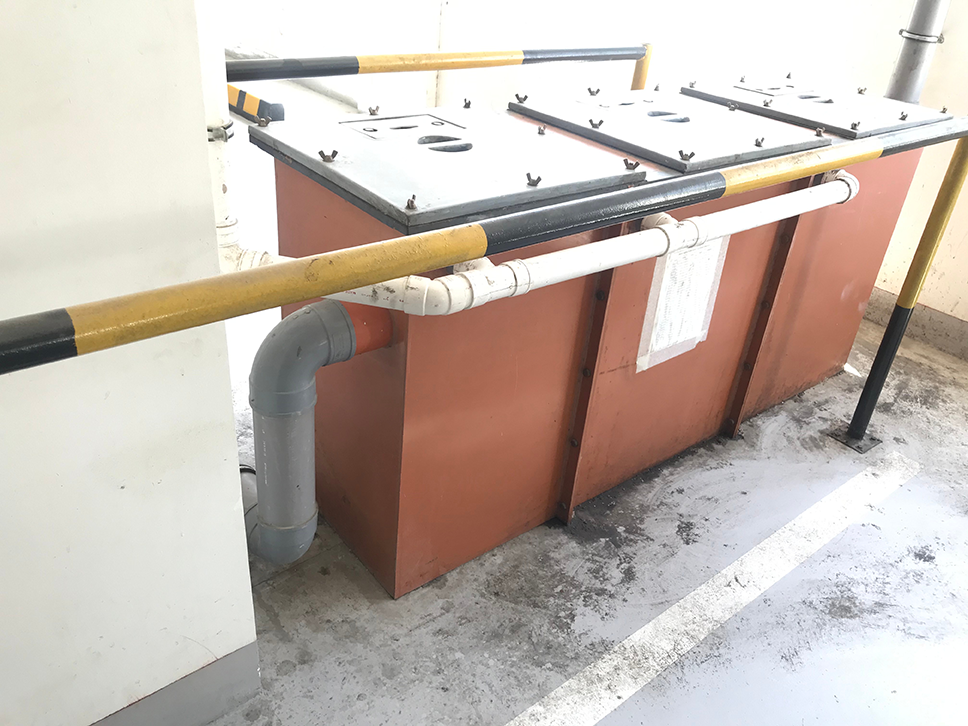
Think of a grease trap as your kitchen’s bouncer. Its job is to keep fats, oils, and grease from crashing into your plumbing system.
It sits quietly under your sink or in the floor line, catching the messy stuff before it slides into the pipes. Water flows through, but the heavy grease gets stuck inside.
Without it, every burger night or fry-up would send grease straight into your drains. That’s a recipe for clogs, funky smells, and expensive plumber visits.
In short, the grease trap is your kitchen’s filter. Keep it clean, and it keeps your pipes fresh and your kitchen stress-free.
The Problem: Blockages and Bad Odors
Grease traps are like bouncers for your plumbing. When they’re not cleaned, fat, oil, and food scraps sneak through and start clogging pipes. That’s when sinks back up and water flow slows to a crawl.
Then comes the smell. Trapped grease breaks down, bacteria feast, and suddenly your kitchen smells like a fryer that’s never had a day off. Not exactly the vibe you want guests or customers catching.
Cleaning cuts this off at the source. By clearing buildup before it hardens, you keep water moving and odors out. Think of it as regular maintenance that saves you from emergency calls and awkward smells later.
How Grease Trap Cleaning Prevents Blockages
Grease traps are like bouncers at a club. They stop fats, oils, and food bits from crashing your pipes. But when they’re packed, the line gets messy, and blockages form fast.
Cleaning keeps the trap ready to filter, not overflow. Freshly cleared traps let water move freely, so your sinks don’t back up during dinner rush. That means fewer late-night plumbing calls and less stress.
When grease piles up, it hardens. That’s when clogs form deep in your system. Regular cleaning breaks the cycle, stopping blockages before they flex into bigger, pricier problems.
Think of it like clearing your inbox. Stay on top of it, and nothing spirals out of control. Same deal with grease traps. A quick clean now saves you from an expensive plumbing meltdown later.
While preventing clogs is essential, understanding why routine grease trap cleaning is worth the investment can help you stay proactive.
How Grease Trap Cleaning Prevents Bad Odors
Grease traps don’t just clog pipes, they’re also the reason kitchens start smelling like a forgotten fast-food bag. When fats, oils, and scraps sit too long, they break down and release nasty gases. That’s the stench that lingers no matter how many candles you light.
Regular cleaning clears out that buildup before it has a chance to rot. Think of it as hitting reset on your kitchen air quality. Instead of masking the smell, you’re cutting it off at the source.
A clean grease trap also keeps pests from treating your setup like an all-you-can-eat buffet. No scraps, no smell, no uninvited guests. Bottom line, cleaning your trap keeps the vibe fresh, your space professional, and your nose unbothered.
Additional Benefits of Regular Grease Trap Cleaning
Clean traps don’t just keep clogs and odors in check, they also save you cash. Plumbing repairs get pricey fast, so avoiding them is a quiet flex.
A clear system runs smoother, which means less downtime if you’re running a business kitchen. More uptime equals more plates, more sales, more wins.
You’ll also sidestep surprise inspections gone wrong. Health inspectors love a spotless trap, and it keeps your reputation smelling fresh too.
Even the environment scores when you stay on top of it. Less grease slipping into drains means cleaner water and fewer headaches for the city.
Understanding maintenance is important, but it’s also helpful to review a complete grease trap cost guide before planning installation or upgrades.”
How Often Should Grease Traps Be Cleaned?
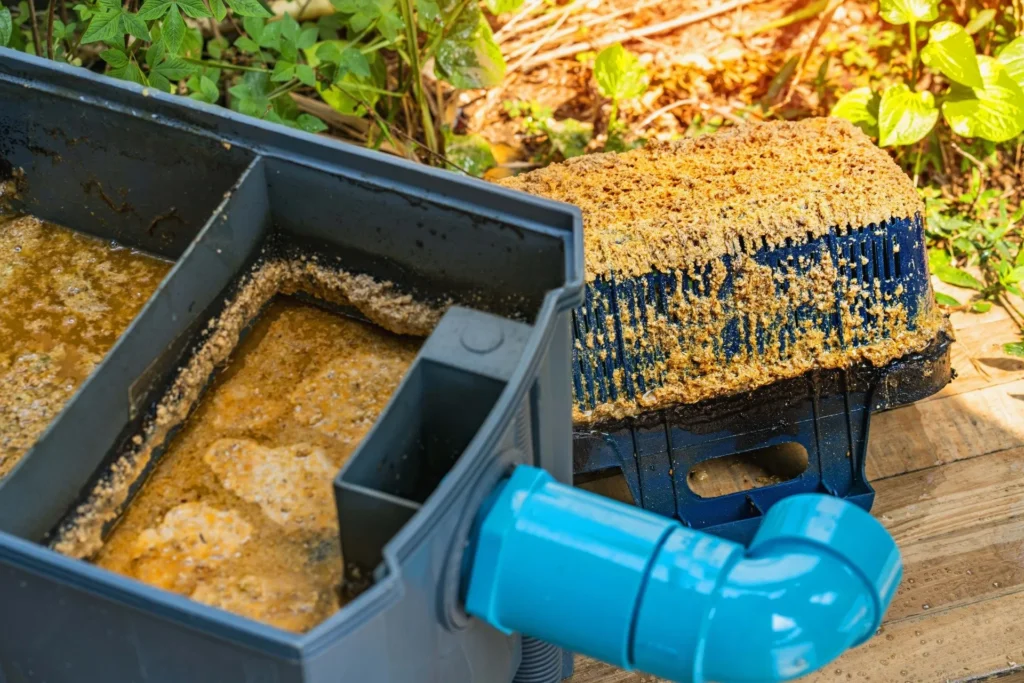
Grease traps aren’t a “set it and forget it” deal. On average, most should be cleaned every 1 to 3 months.
If your kitchen pumps out heavy fry sessions, you’ll need it more often. Smaller cafés might stretch the schedule, but skipping cleanings means clogs and smells sneak up fast.
The real hack? Keep an eye on the 25% rule. Once grease and solids fill a quarter of the trap, it’s cleaning time. That rhythm keeps water flowing, odors down, and your kitchen drama-free.
Professional vs DIY Cleaning
DIY grease trap cleaning is doable if you’re up for gloves, buckets, and a bit of grit. It’s cheaper, but you’ll need the right tools and a strong stomach.
Pros call in the heavy gear and know-how, making the process faster and way less messy. They also spot hidden issues you’d probably miss.
If you want convenience and zero headaches, hiring a pro is the cheat code. If you’re cost-cutting and hands-on, DIY might work.
Frequently Asked Questions
1. How often should I clean my grease trap?
Every 1–3 months is the sweet spot. Wait too long and you’ll be fighting clogs and funky smells.
2. Does cleaning really stop odors?
Yep. Grease left to sit turns rancid fast. A clean trap means a fresher kitchen.
3.Can I DIY grease trap cleaning?
Small traps? Maybe. Big ones? Call in pros. Saves time, mess, and stress.
Conclusion
Keeping your grease trap clean isn’t just kitchen maintenance, it’s a cheat code for smooth flow and fresh air. Regular scrubbing stops blockages before they turn your sink into a swamp.
Stay on top of it and you’ll skip the funky odors, pricey repairs, and late-night plumber calls. It’s simple: a clean trap means a cleaner, stress-free kitchen.